

When peach season hits, there is nothing like biting into a sweet, juicy, sun-ripened peach. The only downside is that because summer peaches have a short shelf life, it's imperative to know how to preserve peaches to ensure you get that delicious summer flavor year-round.
Whether you have an overflowing backyard harvest, snagged a bushel at the local farm stand, or picked up some at your favorite grocery store, preserving peaches is much easier than you think. From freezing slices for winter smoothies to canning peach halves, this step-by-step guide will cover the best methods for home preservers.
WANT TO SAVE THIS RECIPE?
Enter your email below and we'll send it straight to your inbox. Plus you’ll get great new recipes from us every week!
Jump to:
- What is Preserving Peaches?
- Key Takeaways
- Ingredient and Fruit Selection Notes
- Best Way to Peel Peaches
- Step-by-Step Methods for Preserving Peaches
- Best Time to Harvest Peaches
- Pro Tips for Preserving Peaches
- Frequently Asked Questions
- What to Make with Preserved Peaches
- Storage and Longevity
- More Food Preservation Methods
What is Preserving Peaches?
Preserving peaches is the process of using methods like freezing, water-bath canning, or dehydrating to store fresh peaches at peak ripeness for long-term use. Home cooks preserve peaches to extend their shelf life up to a year while locking in their natural sweet flavor, bright color, and nutrients.
Key Takeaways
- Multiple methods can be used to preserve peaches.
- Use a quick 30-second hot water bath for blanching to easily slip peach skins off.
- Use leftover peach skins or pits to make homemade peach syrup or jelly.
- Perfect for using throughout the year.
- Great for meal prep and to stock up in the pantry.
Ingredient and Fruit Selection Notes
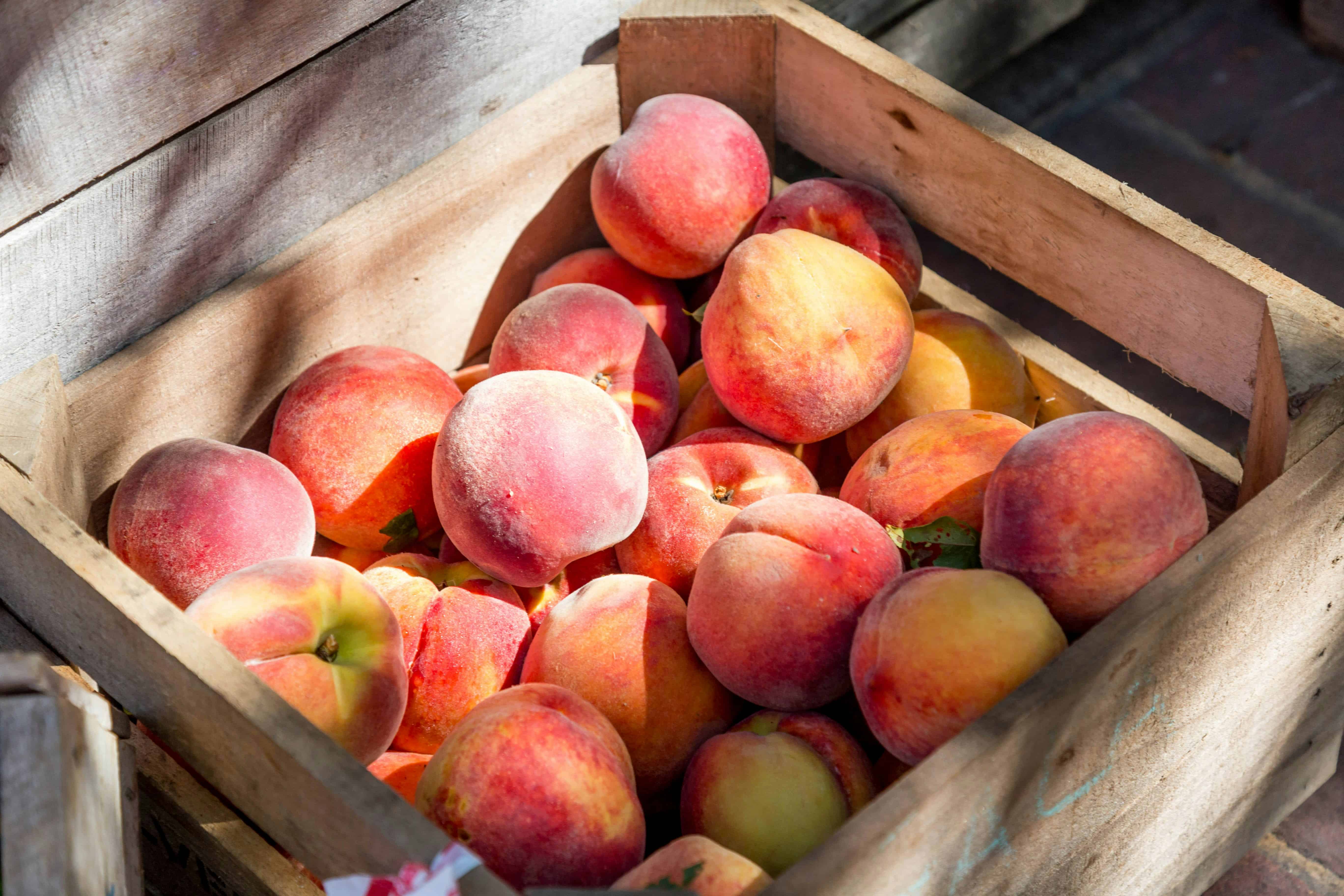
Firm and Ripe Peaches: Choose peaches that are firm yet yield slightly to pressure. Freestone varieties are recommended because the pit will easily separate from the flesh.
Allow peaches to ripen if needed on the counter first before you refrigerate or preserve them.
Best Way to Peel Peaches
It's important to know how to peel peaches before you get started with preserving peaches. One of the best methods is the blanching method. Using this method, the skins should slip off easily.
- To start, dip your peaches in boiling water for 30 to 60 seconds, or until the skin is properly loosened. It may help to cut an X along the bottom of the peaches as well!
- Then quickly dip them in cold water to stop the cooking process, and slip off skins either using your fingers or a simple paring knife if necessary.
Step-by-Step Methods for Preserving Peaches
Dehydrating Peaches
- CUT: For steam and syrup blanching, leave whole, then pit and halve. May also be sliced or quartered.
- DIPPING: Ascorbic acid solution or fruit juice dip
- DEHYDRATOR: 36-48 hours
- APPEARANCE WHEN DRY: pliable, leathery
Canning Peaches
QUANTITY: An average of 17 1⁄2 pounds is needed per canner load of 7 quarts; an average of 11 pounds is needed per canner load of 9 pints. A bushel weighs 48 pounds and yields 16 to 24 quarts – an average of 2 1⁄2 pounds per quart.
PREPARE PEACHES:
Dip fruit in boiling water for 30 to 60 seconds until the skins loosen.
Dip quickly in cold water and slip off skins.
Cut in half, remove pits, and slice if desired.
To prevent darkening, keep peeled fruit in ascorbic acid solution. Prepare and boil a very light, light, or medium syrup or pack peaches in water, apple juice, or white grape juice.
HOT PACK:
- Adjust lids and process in a boiling water bath
- In a large saucepan, place drained fruit in syrup, water, or juice and bring to a boil.
- Fill jars with hot fruit and cooking liquid, leaving 1⁄2-inch headspace.
- Place halves in layers, cut side down.
Freezing Peaches
PREPARING PEACHES
- Select well-ripened fruit and handle carefully to avoid bruising.
- Sort, wash, and peel.
SYRUP PACK
- Use 40 percent syrup.
- For a better quality product, add ½ teaspoon (1500 mg) ascorbic acid per quart of syrup.
- Put peaches directly into cold syrup in container – starting with ½ cup syrup to a pint
container. - Press fruit down and add syrup to cover, leaving headspace.
- Place a small piece of crumpled water-resistant paper on top to hold fruit down.
- Seal and freeze.
SUGAR PACK
- To prevent darkening, sprinkle ascorbic acid dissolved in water over the peaches before adding sugar.
- To each quart (1 ⅓ pounds) of prepared fruit, add ⅔ cup sugar and mix well.
- Stir gently until sugar is dissolved or let stand for 15 minutes.
- Use ¼ teaspoon (750 mg) ascorbic acid in 3 tablespoons cold water to each quart of
fruit. - Pack into containers, leaving headspace.
- Seal and freeze.
Best Time to Harvest Peaches
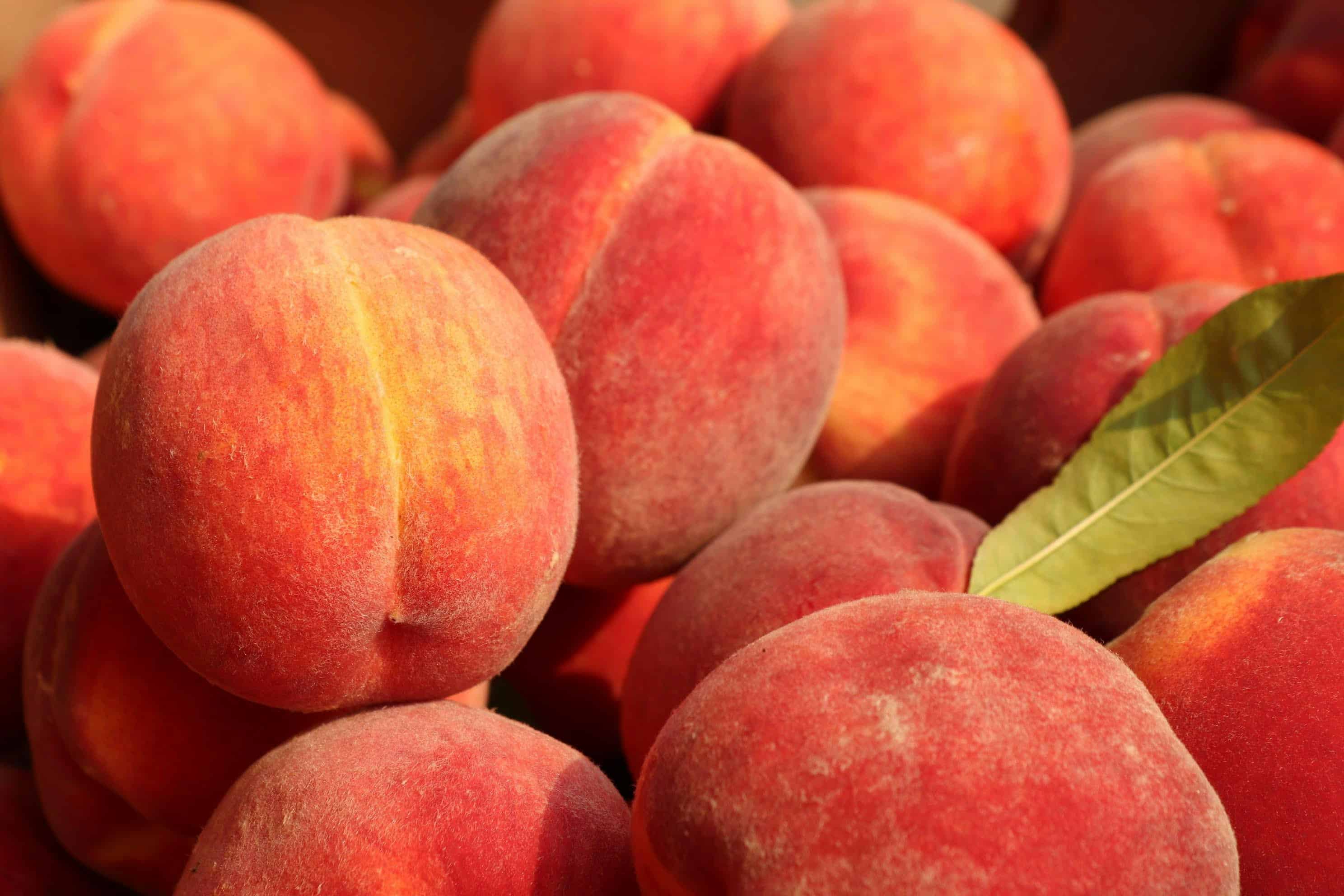
It's best to pay close attention to the ground color, the base color of the skin of the peach, which is not the same as the amount of red on the peaches. The ground color should be yellow when picked.
The flesh should give a little bit under pressure when ripe enough. The fruit will then separate easily from the branch with a slight lift and twist motion.
Pro Tips for Preserving Peaches
- Always select freestone varieties such as Elberta, Redhaven, or Reliance to save hours of frustration trying to dig pits out.
- Do not over-blanch or leave peaches under water for more than 60 seconds. This will make them too mushy.
- Always use the right amount of headspace when sealing canning jars.
- Use cold water for freezing.
- Storage time varies depending on the preservation method.
Frequently Asked Questions
When canning peaches, peeling is strongly recommended because the skins can become tough and bitter during the processing. When freezing or dehydrating, removing the skin is entirely optional.
Treat sliced peaches with a mixture of 1 tablespoon of lemon juice per 1 quart of water or use a commercial ascorbic acid blend like Fruit-Flesh before freezing, canning, and drying.
Peaches can be canned without sugar because of the high natural acidity of the fruit. The syrup, though, will help them retain the best texture and color.
What to Make with Preserved Peaches
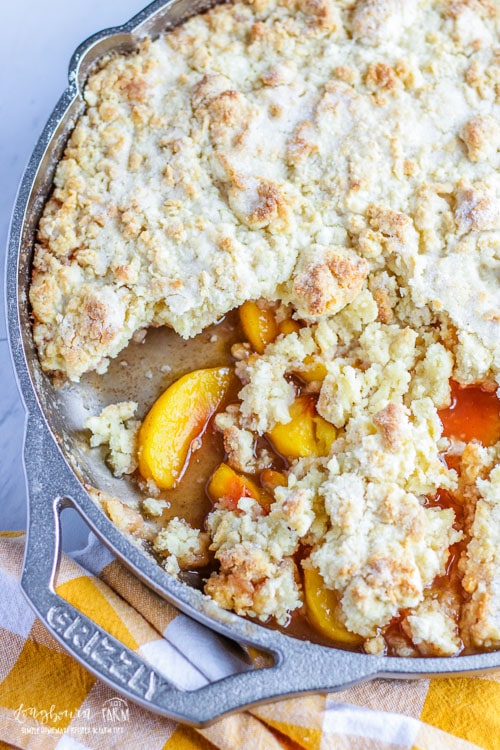
Peach Cobbler in a Cast Iron Skillet
Storage and Longevity
Frozen Peaches: 10 to 12 months in airtight freezer-safe storage bags.
Canned Peaches: 12 to 18 months in a cool, dark pantry.
Dehydrated Peaches: 6 to 12 months in an airtight container or vacuum-sealed bag.
More Food Preservation Methods

Preserving fresh summer peaches doesn't have to feel intimidating with these easy steps. Whether you are starting with a single tray of frozen slices for smoothies or a batch of canned peaches in the pantry, taking the time to preserve your peak-season peaches ensures your kitchen is filled with flavor all year long.


Leave a Reply