
Learning how to preserve potatoes will make all the difference when it comes to getting the most use out of a bountiful harvest. Instead of letting your harvest go to waste, a few simple preservation techniques can ensure that you will always have budget-friendly staples ready for rapid mashing, frying, or tossing in a warm stew.
I have been preserving our garden harvests on the farm for many years, and potatoes are by far one of my favorite crops to store. While they are a durable root vegetable, they will rot quickly if they aren't handled with care. By mastering a few simple methods, you can easily stretch your potato supply for months without any special equipment.

WANT TO SAVE THIS RECIPE?
Enter your email below and we'll send it straight to your inbox. Plus you’ll get great new recipes from us every week!
Jump to:
- What does it mean to Preserve Potatoes?
- Key Takeaways
- Best Potato Varieties for Harvesting
- When To Harvest Potatoes
- How To Store Potatoes
- Method 1: How To Dehydrate Potatoes
- Method 2: How To Can Potatoes
- Method 3: Freezing Potatoes
- Common Potato Storage Mistakes
- Most Popular Potato Based Recipes
- Frequently Asked Questions
- Pro Tips for Preserving Potatoes
- More Preservation Methods
What does it mean to Preserve Potatoes?
Preserving potatoes means preparing fresh potatoes for long-term storage through methods like curing, dehydrating, freezing, or pressure canning. Each method helps extend the life of the potatoes and keep them ready for future meals.
Key Takeaways
- Eliminates food waste and keeps your bulk harvest of potatoes fresh and usable for months.
- Saves on busy nights with already chopped and blanched potatoes that cook in a fraction of the time.
- Budget-friendly pantry builder that allows you to build up your pantry and save money throughout the year.
- Flexible to use for a variety of meals.
- Preserving potatoes prevents discoloration and maintains texture.
Best Potato Varieties for Harvesting
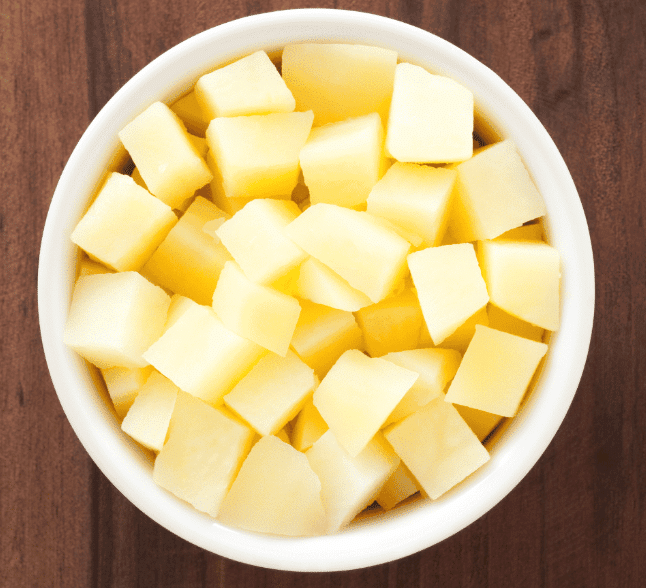
Russet Potatoes: These potatoes have a starchy, fluffy texture, which is what makes them great for stew and mashed potatoes.
Yukon Gold Potatoes: Smooth, creamy, and yellow-skinned potatoes that hold their shape, perfect for mashed potatoes.
German Butterballs: Golden with flaky skin, typically oval in shape. These are great for pot roast, steaming, and roasting.
Kennebec Potatoes: These are starchy potatoes that work well for French fries or potato chips.
Thin-skinned or waxy potatoes, such as Red Pontiacs, are delicious but usually better for shorter-term storage.
When To Harvest Potatoes
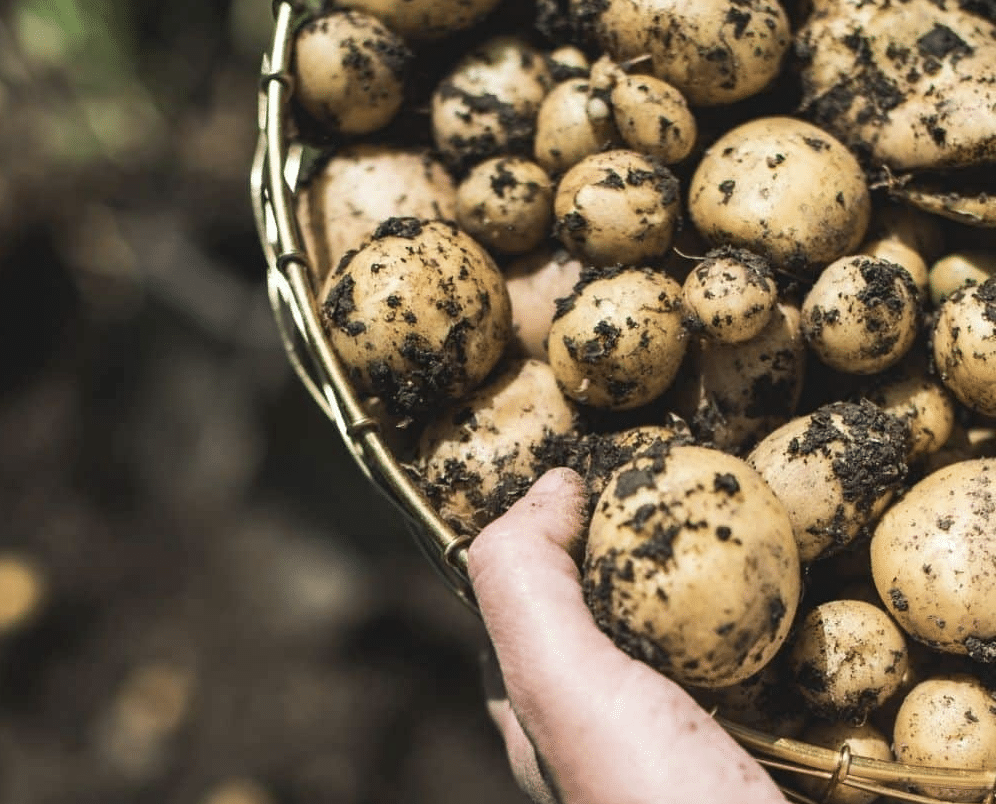
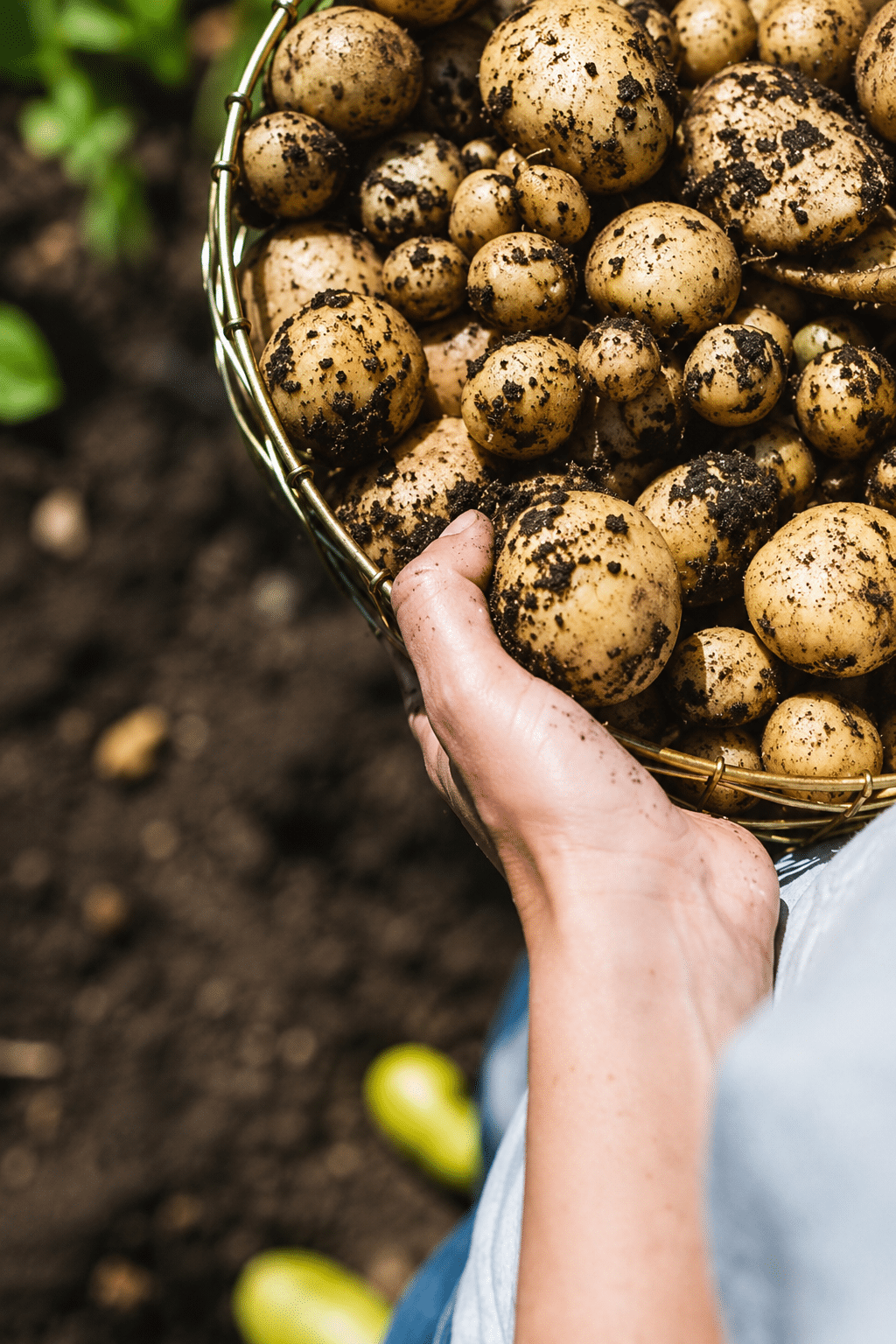
Wait until the tops of the potato plants have completely died back before harvesting storage potatoes. This helps the skins toughen up, which improves storage life.
After digging them up:
- Brush off excess dirt gently
- Avoid washing potatoes before storage
- Let them cure in a cool, dark area with good airflow for 1–2 weeks
Curing helps toughen the skins and heal small scratches so the potatoes last much longer.
Try to harvest potatoes on a dry day if possible, since wet potatoes are more likely to rot during storage.
How To Store Potatoes
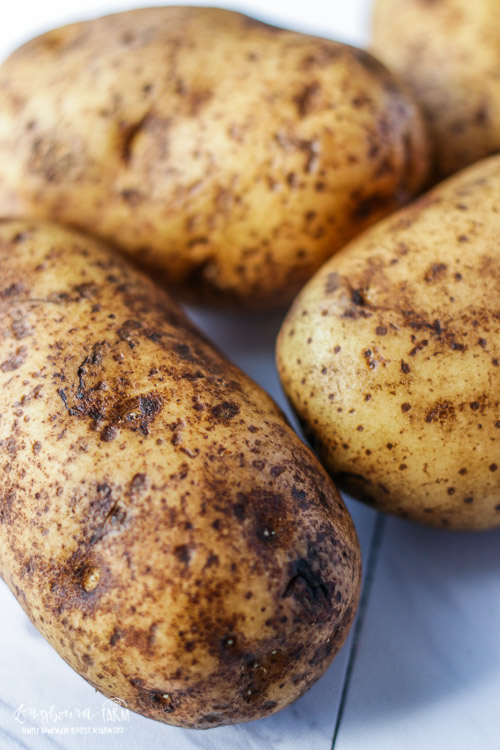
Potatoes store best in cool, dark, dry conditions with good ventilation.
Ideal storage conditions:
- Temperature: 45–55°F
- Dark environment to prevent greening
- Moderate humidity
- Good airflow
Helpful Potato Storage Tips:
- Store potatoes in paper bags, baskets, cardboard boxes, or crates.
- Avoid airtight containers.
- Keep potatoes away from onions because onions release gases that cause potatoes to spoil faster.
- Remove damaged potatoes immediately to prevent spoilage from spreading.
Avoid refrigerating raw potatoes. Cold temperatures convert potato starches into sugars and can affect both flavor and texture.
Properly stored potatoes can last anywhere from 3–6 months depending on the variety and storage conditions.
Method 1: How To Dehydrate Potatoes
Dehydrating potatoes is a great way to save space while creating shelf-stable potatoes for soups, casseroles, camping meals, and emergency food storage.
Preparing Potatoes for Dehydrating
- Wash and peel the potatoes.
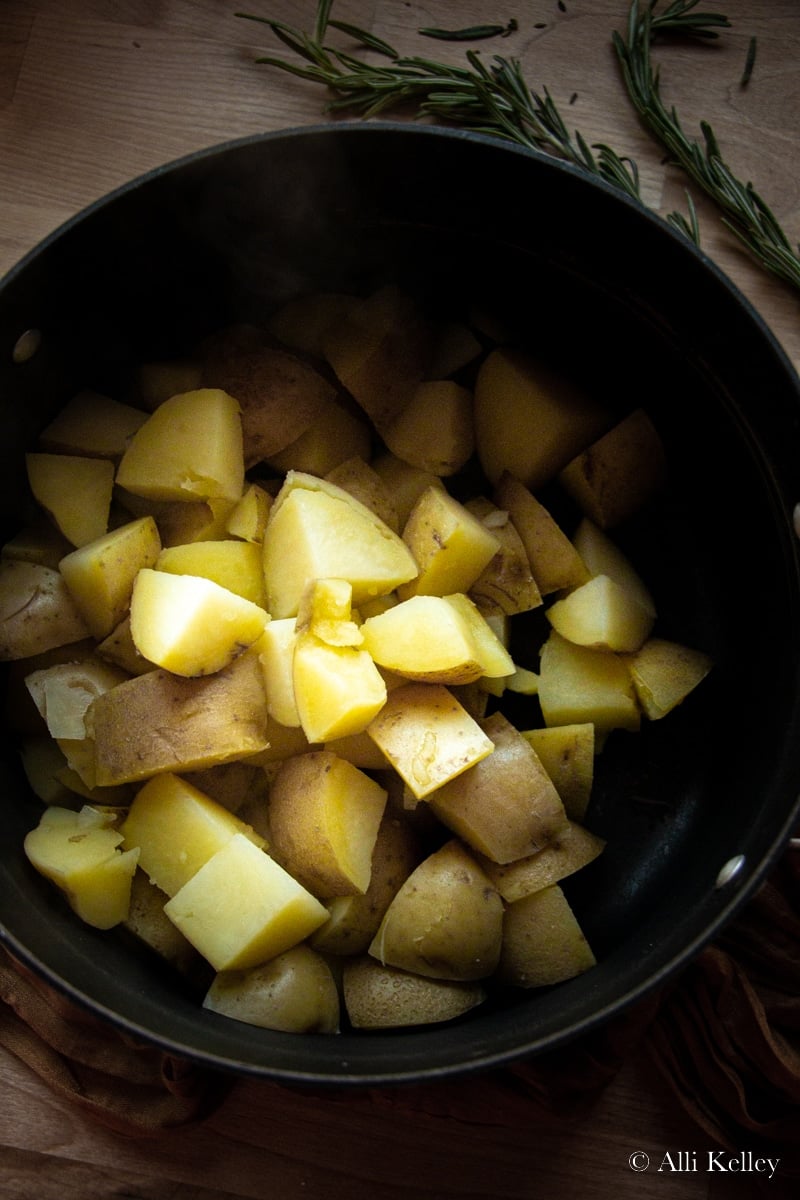
- Cut into thin strips, slices, cubes, or shredded potatoes.
Try to keep pieces evenly sized for even drying.
Preventing Browning
After cutting, rinse potatoes in cold water to remove excess starch and help prevent discoloration.
Blanching Potatoes
Blanching is important because it helps preserve color, texture, and flavor.
- Water blanch: 5–6 minutes
- Steam blanch: 6–8 minutes
After blanching, rinse potatoes in cold water and drain well.
Dehydrating Potatoes
- Arrange potatoes in a single layer on dehydrator trays.
- Dry at 125–135°F for 8–12 hours.
Potatoes are fully dried when they feel crisp and brittle with no moisture remaining.
Storing Dehydrated Potatoes
Store dehydrated potatoes in airtight containers or vacuum-sealed bags in a cool dark place.
When stored properly, dehydrated potatoes can last 1–2 years.
Method 2: How To Can Potatoes
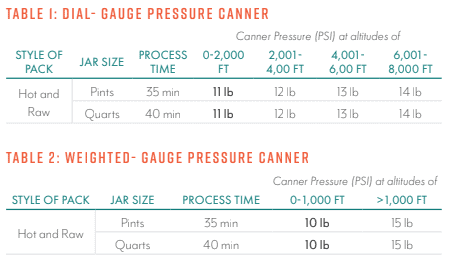
Pressure canning potatoes is an excellent way to create ready-to-use potatoes for quick meals.
Because potatoes are a low-acid food, they must always be pressure canned for safety.
Quantity Guide
- About 20 pounds yields 7 quarts
- About 13 pounds yields 9 pints
- A 50-pound bag generally yields 18–22 quarts
Preparing Potatoes for Canning
- Wash and peel the potatoes.
- Place peeled potatoes in an ascorbic acid solution or lemon water to help prevent browning.
- Cut into ½-inch cubes if desired.
Cooking Before Canning
- Cubed potatoes: Boil 2 minutes and drain
- Whole potatoes: Boil 10 minutes and drain
Filling the Jars
- Add potatoes to hot jars.
- Add 1 teaspoon salt per quart if desired.
- Cover potatoes with fresh boiling water, leaving 1 inch headspace.
Important: Do not use the potato cooking water because it contains too much starch.
Processing Times
Process in a pressure canner:
- Pints: 35 minutes
- Quarts: 40 minutes
Always adjust pressure according to your altitude and follow current USDA canning recommendations.
Method 3: Freezing Potatoes
Raw potatoes generally do not freeze well because their texture changes significantly after thawing. I do not recommend freezing raw potatoes. It's best to make the potato dish and freeze the cooked, prepared dish.
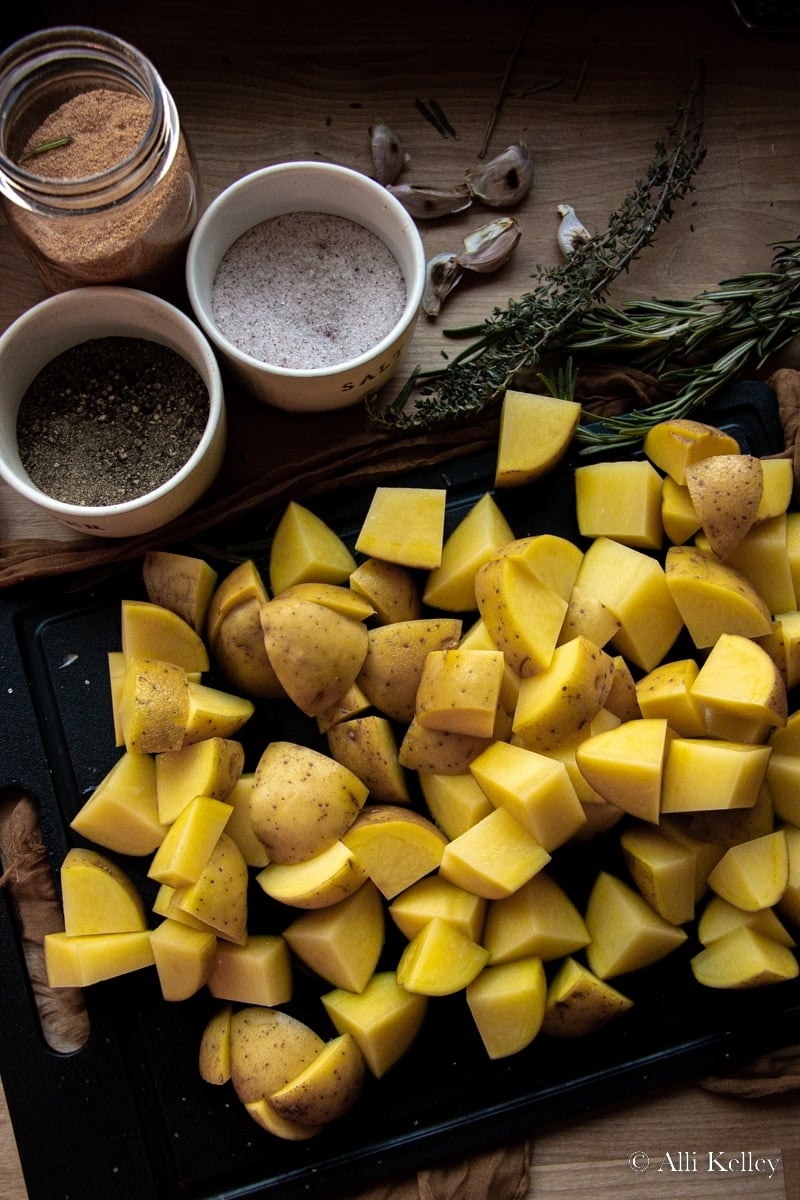
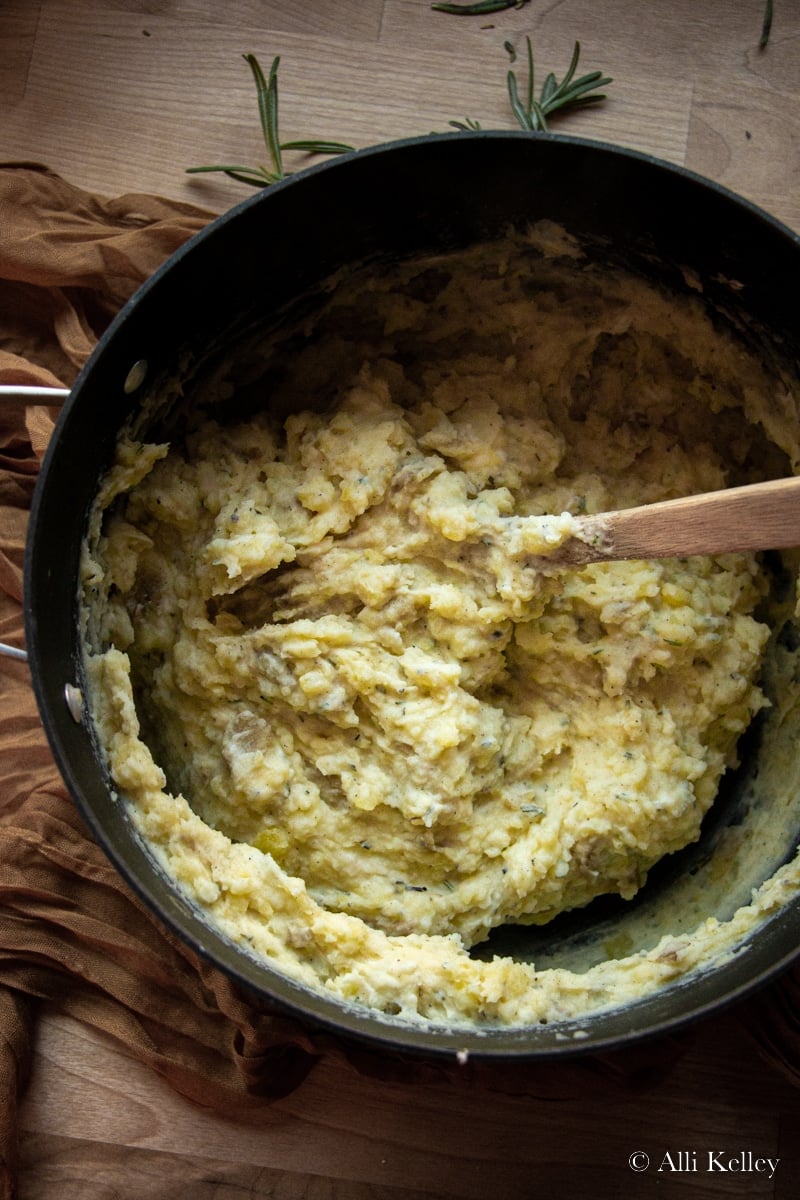
Cooked potato dishes freeze much better. I recommend cooking potato dishes such as mashed potatoes, hash browns, French fries, and roasted potatoes, then freezing them.
Good potato options for freezing include:
- Mashed potatoes
- Hash browns
- French fries
- Roasted potatoes
- Twice baked potatoes
Most cooked potato dishes freeze well for 10–12 months.
Common Potato Storage Mistakes
Storing Potatoes in Plastic Bags
Plastic traps moisture and encourages rot. It's best to always use breathable containers.
Storing Potatoes Near Onions
Potatoes and onions both release gases that speed up spoilage when stored together.
Washing Potatoes Before Storage
Moisture shortens storage life and increases the chance of mold and rot.
Storing Potatoes in Light
Exposure to light causes potatoes to turn green and develop bitter compounds.
Most Popular Potato Based Recipes
Frequently Asked Questions
Green potatoes have been exposed to too much light. The green areas contain solanine, which can taste bitter. Trim small green spots away or discard heavily green potatoes.
Technically yes, but blanching gives much better color, flavor, and storage life.
Russet Potatoes and Yukon Gold Potatoes are the best choice for storage.
For best quality, use home-canned potatoes within 12–18 months.
No. Mashed potatoes are too dense to safely pressure can at home.
Frozen potatoes such as French fries or cubes turn dark when they haven't been blanched long enough to completely stop the enzyme activity, or when they aren't cooled down fast enough after boiling.
If you are peeling a large batch of potatoes and need to prevent browning before cooking or blanching, submerge the peeled pieces completely inside a bowl of cold water mixed with lemon juice or white vinegar.
When stored correctly, they can last for 1-2 years, while frozen potato preparations are generally good for 10-12 months.
Pro Tips for Preserving Potatoes
- Check stored potatoes regularly and remove any soft or sprouting potatoes right away.
- Smaller potatoes tend to store for less time than large mature potatoes.
- Vacuum sealing dehydrated potatoes can extend their shelf life even longer.
- If you have damaged potatoes, use them right away or preserve them through dehydrating instead of long-term storage.
- Label all preserved potatoes with the date so you can rotate through your pantry easily.
- Dehydrated potato slices can be ground into homemade instant potato flakes for soups and mashed potatoes.
- Preserving potatoes in multiple ways gives you the most flexibility in the kitchen throughout the year.
More Preservation Methods


Preserving your potato harvest using these straightforward farm methods is an incredible way to save money, cut down on weeknight prep time, and fill your pantry with security. Pick your favorite storage method this week and see how easy it is to make your hard work growing those potatoes last!


Leave a Reply