
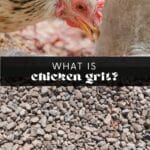


Chicken grit is a crucial supplement for backyard chickens, aiding digestion and providing essential minerals for robust eggshells. Learn why chickens need grit and how to make it yourself!

WANT TO SAVE THIS RECIPE?
Enter your email below and we'll send it straight to your inbox. Plus you’ll get great new recipes from us every week!
What Is Chicken Grit?
Chicken grit is a coarse, hard material given to chickens to aid in digestion. There are two main types: insoluble and soluble. Each type serves a different purpose:
- Insoluble Poultry Grit: Chickens naturally consume small stones and pebbles while foraging, which help grind food in their gizzards. However, if your chickens are confined to a coop or run, they won't have access to these natural grit sources. Insoluble grit, such as granite chips, compensates for this lack and helps in breaking down food for improved digestion.
- Soluble Poultry Grit: This type of grit is essential for egg-laying hens, providing extra calcium for strong eggshells. It's usually made from crushed oyster shells or limestone, but it’s beneficial for hens with limited natural calcium sources.
Do Chickens Need Grit?
Absolutely! Chickens need grit if their diet includes anything other than pellets.
Unlike humans, chickens lack teeth and instead use their gizzard—a muscular pouch in their stomach—to grind food. Grit is stored in the gizzard and helps break down hard foods like seeds, grains, and insects, essentially acting as their "teeth" for digestion.
Without grit, chickens can face digestive issues such as impacted crops, where food gets stuck in their crop. Malnutrition can also result from chickens being unable to digest properly. Soluble grit is vital for egg-laying hens to ensure they have enough calcium for healthy eggshell production.
What Is Chicken Grit Made Of?
Insoluble chicken grit is typically composed of small, hard particles like gravel chips or crushed granite. This can be purchased from feed stores or online.
Soluble grit can also be bought, but making your own can be more economical.
Homemade Grit for Chickens
Here is a step-by-step process for how to make homemade calcium-rich chicken grit:
- Preparation: Rinse eggshells and oyster shells with warm water and let them air dry.
- Baking: Preheat your oven to 350°F. Spread the shells on a baking sheet and bake for 10 minutes to kill bacteria and dry them out.
- Crushing: Once cooled, place the shells in a sealed plastic bag and crush them with a rolling pin until they resemble coarse sand. Alternatively, you can use a blender or food processor.
- Storage: Keep the crushed grit in an airtight container until needed.

When to Offer Chicken Grit
Introduce grit to baby chicks when eating foods other than starter crumble.
For adult chickens, provide constant access to grit by offering it in a separate container, perhaps in your Small Chicken Coop! Mix it with their food to ensure they consume enough, then use a separate container for regular use.
What Happens Without Poultry Grit
If your chickens only eat pellets or crumble, they won’t need additional grit, as these feeds are easily digestible. However, grit becomes essential if your chickens eat treats like fruits, vegetables, insects, or seeds. Without it, chickens may experience digestive problems, including sour crop or malnutrition, leading to serious health issues or even death.
How to Store Poultry Grit
Store grit in a cool, dry place to prevent moisture and mold. For insoluble grit like granite, any airtight container works. A mason jar with a tight lid is ideal for homemade or store-bought soluble grit.
Ensuring your chickens have the right type of grit supports their digestive health and overall well-being.
Poultry Grit FAQs
Sand is too fine to work as grit for chickens. While they may enjoy taking dust baths in it, it won't provide the same benefits as harder particles like crushed granite. I wouldn't substitute sand for grit in your chickens' diet.
You don't need to give grit for chicks if all they eat is starter crumble. Crumble is soft enough for them to digest without the need for grit.
As soon as you introduce them to any other food source, it's important to provide them with grit. I'd also give them grit if you see them pecking at their bedding, just in case they ingest any.
Free-range chickens do need grit, but they'll find it themselves while foraging outside. This means you don't need to offer them additional insoluble grit. They'll pick it up from the ground themselves!
However, I always offer my free-range hens soluble grit for an extra calcium boost. I'll share my favorite homemade chicken grit recipe below.

Expert Tips
- Air Dry: Ensure shells are completely dry before baking. This can prevent mold and bacterial growth.
- Use the Right Tools: Use a rolling pin or a sturdy blender for a consistent texture. A food processor can also work well, but ensure it's set to a coarse setting to avoid creating too fine a grit.
- Check Freshness: Periodically check the condition of your stored grit. Discard any that appears moldy or has absorbed moisture.
WANT TO SAVE THIS RECIPE?
Enter your email below and we will send it straight to your inbox. Plus you will get great new recipes from us every week!

How to Make Homemade Chicken Grit
Ingredients
Insoluble Grit:
- Eggshells
- Crushed granite or gravel (optional)
Soluble Grit:
- Oyster shells
- Eggshells (for added calcium)
Instructions
- Prepare the Materials: Collect eggshells from your kitchen. Rinse them thoroughly with warm water to remove any residue. Allow them to air dry completely. Purchase crushed oyster shells from a feed store or online. Ensure they are free from contaminants.
- Bake the Shells: Set your oven to 350°F (175°C). Spread the clean, dried eggshells on a baking sheet in a single layer. Bake them for 10 minutes to sterilize and dry them thoroughly. Allow the baked eggshells to cool completely before handling.
- Crush the Eggshells: Place the cooled eggshells in a sealable plastic bag and crush them with a rolling pin until they reach a coarse, sand-like consistency. Alternatively, you can pulse them in a blender or food processor to achieve a similar texture. For added insoluble grit, you can also crush granite or gravel into small, coarse pieces, making sure they are not too large for your chickens to consume.
- Combine Ingredients: Mix the crushed eggshells (and optional crushed granite/gravel) to use as insoluble grit. If using crushed oyster shells, you can mix these with a bit of the crushed eggshells to enhance calcium content. Ensure the mixture is finely crushed but not powdered.
- Store the Grit: Store your homemade chicken grit in an airtight container to keep it dry and free from contaminants. Keep the container in a cool, dry location to prevent moisture absorption and mold growth.
- Offer to Chickens: Provide insoluble grit in a separate container or mix it with their feed. Ensure it is available at all times if they consume a varied diet. Offer soluble grit, especially to laying hens, to support calcium needs. This can also be given in a separate container or mixed with their feed.
More Favorites From Longbourn Farm


Did you find this info helpful? If so, please share it on Instagram, Facebook, or Pinterest!


Leave a Reply