
Learning how to preserve pumpkin is one of the absolute best ways to stretch your garden harvest and enjoy cozy, rustic recipes long after the fall frost has passed. There is something profoundly satisfying about watching pumpkins grow from tiny seeds in the dirt, harvesting them on a crisp afternoon, and transforming them into pantry staples.
Whether you choose to freeze it, dehydrate it, or use your pressure canner, preserving pumpkin helps eliminate food waste, saves significant money on your grocery bill, and ensures you always have a batch of home-grown color ready for your baking sheets. When prepared properly, your harvest works beautifully in cozy winter soups, hearty breads, and morning muffins.
WANT TO SAVE THIS RECIPE?
Enter your email below and we'll send it straight to your inbox. Plus you’ll get great new recipes from us every week!
Jump to:
- What is the Best Way to Preserve Pumpkins?
- Key Takeaways
- Best Pumpkin Varieties for Preserving
- When To Harvest Pumpkins
- How To Store Fresh Pumpkins
- Method 1: How To Freeze Pumpkin
- Method 2: Canning Pumpkin in Pumpkin Cubes
- Method 3: Dehydrating Pumpkin
- Don’t Throw Away the Seeds
- Pro Tips for Preserved Pumpkin
- Most Popular Pumpkin Recipes
- Frequently Asked Questions
- More Food Preservation
What is the Best Way to Preserve Pumpkins?
The best way to preserve pumpkins depends on your cooking goals. Freezing is going to be the easiest method for making long-term puree for baking, while pressure canning is required for preserving firm pumpkin cubes. For a compact option, dehydrating pumpkin into a shelf-stable powder will work too.
Key Takeaways
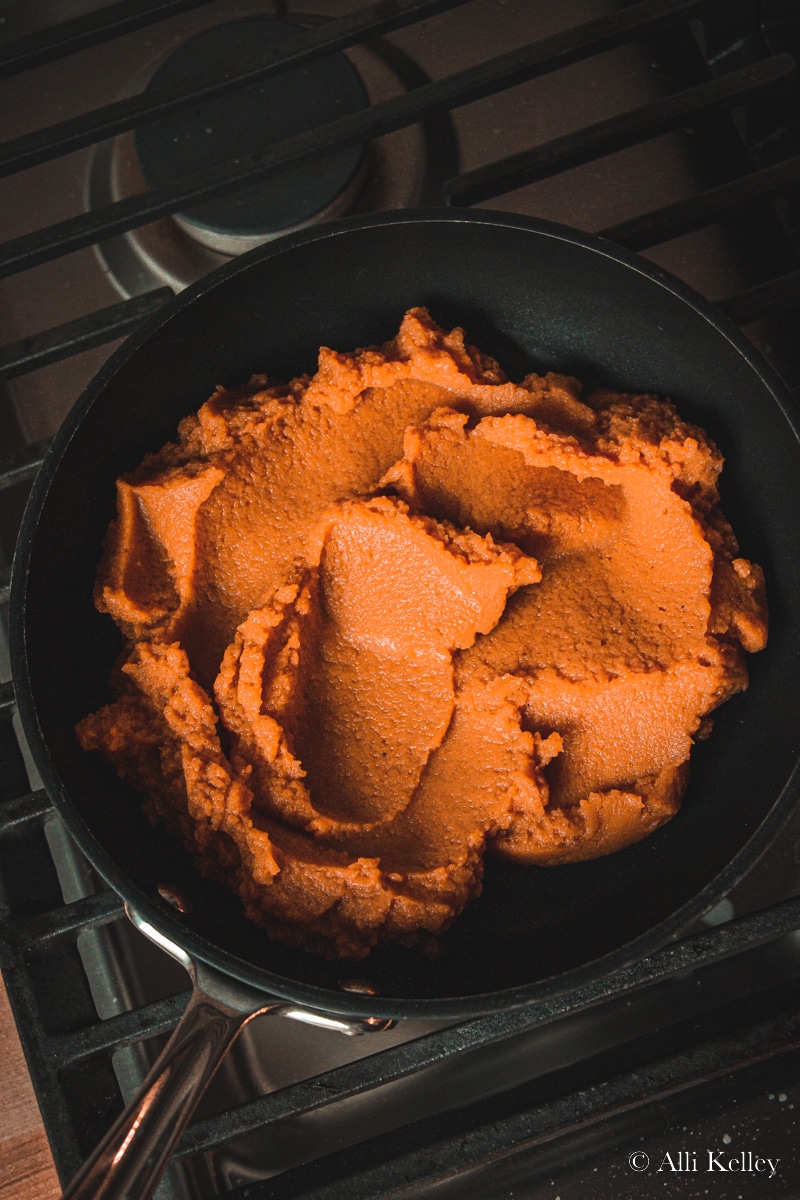
- Freezing is by far the easiest choice, especially in a time crunch!
- Pressure canning requires cubed pumpkin.
- Dehydrating will create a pumpkin powder that is good for saving shelf space.
- It's best to plant and use pie pumpkins to avoid large, stringy carving pumpkins.
- If properly preserved, pumpkin can last up to 1 year.
Best Pumpkin Varieties for Preserving
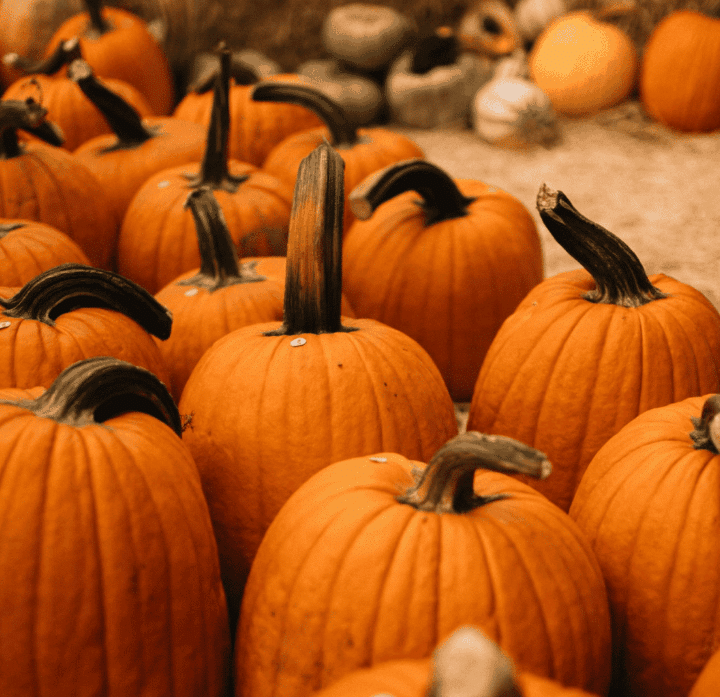
Large carving pumpkins are bred for thin walls and have easy-to-cut, stringy flesh. That's not what you want when preserving pumpkin. Choose a culinary variety of pumpkin for a smooth, sweet, and dense texture.
Sugar Pie and Baby Pam: This is the best type of pumpkin for pies and classic baking puree.
Cinderella: A beautiful French heirloom and deeply flavored, creamier flesh pumpkin.
Long Island Cheese: Shaped like a wheel of cheese, with it's flat and dense texture. This pumpkin is perfect for canning cubed pumpkin.
Jarrahdale: A stunning slate-blue pumpkin with deep, rich orange flesh.
When To Harvest Pumpkins
Pumpkins are ready to harvest when the vines begin drying out and the pumpkin has developed its full deep color. The rind should feel hard and resist punctures from your fingernail.
Try to harvest pumpkins before a hard frost arrives, since freezing temperatures can damage the flesh and shorten storage life.
When harvesting:
- Cut pumpkins from the vine with a few inches of stem attached.
- Avoid carrying pumpkins by the stem since it can break off. (Ever been to a pumpkin patch and seen all the families holding them by the stem? It's so important NOT to do this!)
- Gently wipe away dirt and allow pumpkins to dry before storing.
How To Store Fresh Pumpkins
Whole pumpkins store best in a cool, dry place with good airflow.
A few important storage tips:
- Store pumpkins at room temperature or slightly cooler, with good air circulation.
- Avoid storing directly on concrete floors. It's best to keep them on cardboard, wood pallets, or straw.
- Keep them dry to prevent mold and rot.
- Do not stack pumpkins on top of each other. The weight will bruise the skin and cause the pumpkins to rot.
- Once cut open, pumpkins should be wrapped tightly and stored in the refrigerator for up to 5 days.
Properly cured pumpkins can often last 2–3 months in the right conditions.
Method 1: How To Freeze Pumpkin
Freezing is one of the easiest and most popular ways to preserve pumpkin. Frozen pumpkin puree works beautifully for baking and cooking. This is how you'll make all those delicious pumpkin pies and pumpkin cakes this fall.
Preparing Pumpkin for Freezing
- Wash the pumpkin well, especially the outer rind.
- Cut into manageable sections and remove the seeds and stringy center.
- Cook the pumpkin until soft. You can roast, steam, boil, or pressure cook it.
Roasting often gives the best flavor because it removes excess moisture and naturally sweetens the pumpkin. If you plan to roast the pumpkin, bake it at 400°F for 45-60 minutes or until fork-tender.
How To Freeze Pumpkin Puree
- Once roasted, scoop the soft pumpkin flesh from the rind.
- Mash or puree until smooth.
- Allow the pumpkin to cool completely.
- Portion into freezer-safe bags or containers, leaving about ½-inch headspace for expansion.
- Label and freeze.
Frozen pumpkin puree keeps well for up to 1 year.
Baking Tip: Freeze pumpkin in 1-cup portions since many recipes call for that amount. This way, you can easily defrost exactly what you need instead of too much!
Method 2: Canning Pumpkin in Pumpkin Cubes
Pumpkin can only be safely canned in cubes using a pressure canner. Pureed or mashed pumpkin is not safe for home canning because it is too dense for heat to properly penetrate.
Preparing Pumpkin for Canning
- Wash the pumpkin, especially the outer rind.
- Cut and remove seeds and stringy pulp.
- Cut the pumpkin into 1-inch-wide slices.
- Peel or cut the rind off the slices.
Canning Instructions
- Boil pumpkin cubes in water for 2 minutes.
- Fill clean jars with hot pumpkin cubes.
- Add the cooking liquid, leaving 1 inch of headspace.
- Remove air bubbles, wipe the rims clean, and secure the bands to fingertip-tight.
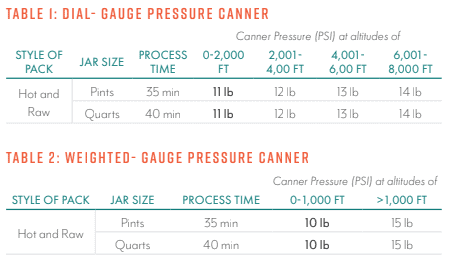
Process in a Pressure Canner:
- Pints: 55 minutes
- Quarts: 90 minutes
Always follow current USDA pressure canning guidelines and adjust pressure for your altitude.
Quick Pumpkin Canning Tip
An average of 16 pounds of pumpkin is needed for 7 quarts, or about 10 pounds for 9 pints.
Method 3: Dehydrating Pumpkin
Dehydrating pumpkin is a great option if you want to save freezer space or make homemade pumpkin powder.
How To Dehydrate Pumpkin
- Peel the pumpkin and remove seeds and fibers.
- Cut into thin strips or slices about ⅛-inch thick.
- Blanch before drying:
- Water blanch: 1 minute
- Steam blanch: 2–3 minutes
- Arrange slices on dehydrator trays in a single layer.
- Dry at 125–135°F for 10–16 hours, or until the pumpkin becomes brittle or leathery.
Once fully dried, store in airtight containers in a cool dark place.
Pumpkin Powder
You can grind dehydrated pumpkin into powder using a blender or food processor. Pumpkin powder is wonderful for:
- Smoothies
- Soups
- Pasta sauces
- Baking
- Baby food
- Emergency pantry storage
Pumpkin powder is most commonly used for a nutritional boost in smoothies, soups, and oatmeal.
Don’t Throw Away the Seeds

Pumpkin seeds are completely worth saving.
Simply rinse the seeds, remove excess pulp, toss with oil and salt, and roast at 300°F until crisp. They make a delicious snack and are packed with nutrients.
Pro Tips for Preserved Pumpkin
- Before storing or preserving a pumpkin, press your thumbnail firmly into the hide. If it leaves a deep puncture or dent, then the pumpkin isn't quite ready for preserving.
- If your thawed frozen puree seems overly wet or watery, let it sit in a fine-mesh strainer lined with a coffee filter over a bowl for 30 minutes before mixing into baked goods.
- Never throw away the seeds; easily create roasted pumpkin seeds with the seeds for a quick snack or protein!
Most Popular Pumpkin Recipes
Frequently Asked Questions
You can, but cooked pumpkin generally freezes with better texture and flavor.
No. Homemade pumpkin puree is not considered safe for home canning. Only cubed pumpkin should be pressure canned.
For best quality, use frozen pumpkin puree within 1 year.
Sugar pumpkins and pie pumpkins have the sweetest flavor and smoothest texture for baking.
No. Once carved, pumpkins spoil quickly and should not be preserved for food use.
Absolutely not! Pumpkin is a low-acid vegetable. This means it must reach at least 240°F to kill off any dangerous spores. This can only be achieved with a certified pressure canner.
More Food Preservation
Learning how to preserve pumpkins is such a rewarding kitchen skill, especially during the busy fall harvest season. Whether you freeze puree for holiday baking, can pumpkin cubes for soups, or dehydrate slices for long-term storage, preserving pumpkin helps you make the most of every harvest.

Leave a Reply