

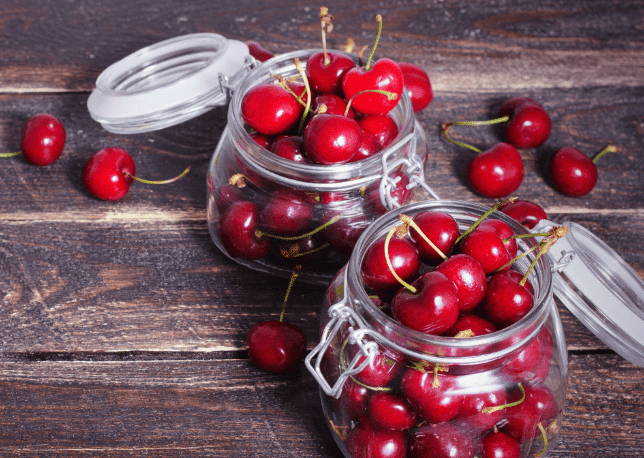
When cherry season hits and you end up with more cherries than you can eat, knowing how to preserve cherries is the best way to stop that harvest from going to waste. Fresh cherries don't last long on the counter, but with a few simple methods, you can lock in that sweet, juicy flavor for months to come.
As a home cook who deals with farm harvests every season, I've tested all the methods. You don't need fancy equipment or hours of free time to get great results. It just takes a few kitchen tools and a little guidance to preserve your harvest.
WANT TO SAVE THIS RECIPE?
Enter your email below and we'll send it straight to your inbox. Plus you’ll get great new recipes from us every week!
What is Preserving Cherries?
Preserving cherries is the process of extending the shelf life of fresh cherries through freezing, canning, and dehydrating. These methods lock in peak sweetness, texture, and nutritional value so cherries can be enjoyed for months after harvest in pies, snacks, and everyday cooking.
Key Takeaways
- Multiple preservation options to choose from.
- Most methods require minimal equipment.
- Preserved cherries stay fresh for months to years.
- Perfect way to stop food waste.
- Easy way to stock the freezer and pantry for the year.
When To Harvest Cherries
They should be juicy and sweet, but still firm. Tasting a cherry will also help determine if it’s ripe.
How To Store Cherries
Whether harvested or bought, store fresh cherries in the refrigerator.
Dehydrating Cherries
- CUT: Stem, wash, drain, and pit fully ripe cherries. Cut in half, chop, or leave whole.
- DIPPING:
- Whole: Dip in boiling water for 30 seconds or more to check skins
- Cut and pitted: no treatment necessary
- DEHYDRATOR: 24-36 hours
- APPEARANCE WHEN DRY: pliable, leathery
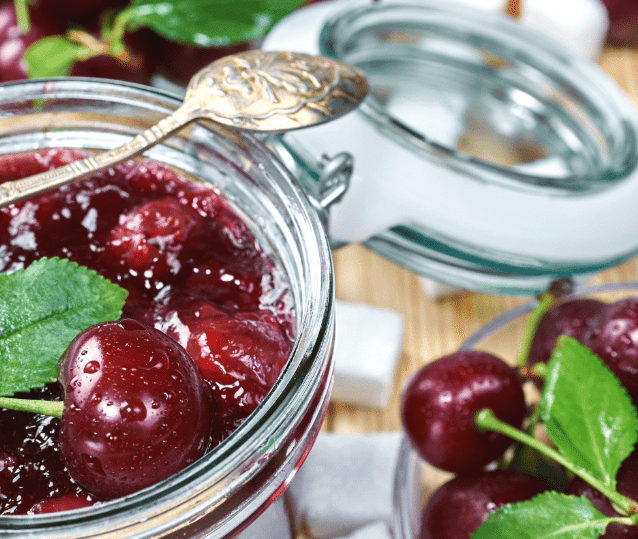
Canning Cherries
QUANTITY: An average of 17 1⁄2 pounds is needed per canner load of 7 quarts; an average of 11 pounds is needed per canner load of 9 pints. A lug weighs 25 pounds and yields 8 to 12 quarts – an average of 2 1⁄2 pounds per quart.
Preparing Cherries:
Stem and wash cherries. Remove pits if desired.
If pitted, place cherries in water containing ascorbic acid to prevent stem-end discoloration. If canned unpitted, prick skins on opposite sides with a clean needle to prevent splitting.
Cherries may be canned in water, apple juice, white-grape juice, or syrup. If syrup is desired, select and prepare preferred type as directed.
HOT PACK
- In a large saucepan, add 1⁄2 cup water, juice, or syrup for each quart of drained fruit and
bring to a boil. - Fill jars with cherries and cooking liquid, leaving 1⁄2-inch headspace.
Process Time: Pints: 15 minutes; Quarts: 20 minutes
RAW PACK
- Add 1⁄2 cup hot water, juice, or syrup to each jar.
- Fill jars with drained cherries, shaking down gently as you fill.
- Add more hot liquid, leaving 1⁄2-inch headspace.
- Adjust lids and process in a boiling water bath.
Process Time: Pints and Quarts: 20 minutes
Freezing Cherries
Preparing Sweet Cherries
- Select bright, fully ripened cherries of dark colored varieties.
- Wash, stem, and pit.
SYRUP PACK
- Use cold, 40 percent syrup.
- For a better quality product, add ½ teaspoon ascorbic acid to each quart of syrup.
- Pack fruit and cover with syrup, leaving headspace.
- Seal and freeze.
Preparing Tart Cherries
- Select bright red, tree-ripened cherries.
- Wash, stem and pit.
SYRUP PACK
- Pack cherries into containers and cover with cold 50 per cent syrup.
- Leave headspace.
- Seal and freeze.
SUGAR PACK
- To 1 quart (1 and ⅓ pounds) cherries, add ¾ cup sugar.
- Mix until sugar is dissolved.
- Pack into containers, leaving headspace.
- Seal and freeze.
Pro Tips for the Best Preserved Cherries
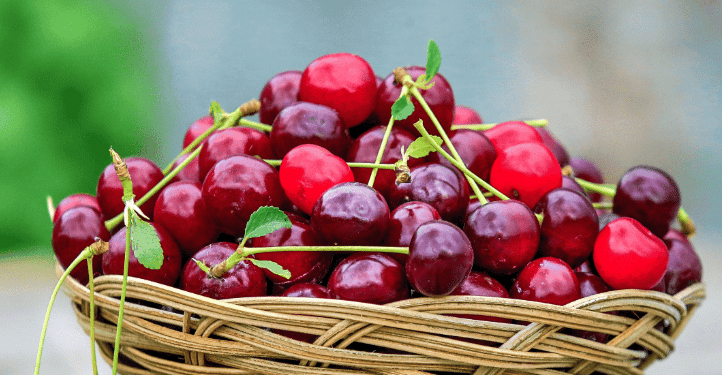
- Taste a cherry before harvesting a full batch to make sure it's truly ripe. It should be juicy, sweet, and firm.
- Choose the right syrup pack for your cherry type. It should be 40 percent syrup for sweet cherries and 50 percent syrup for tart cherries.
- Add ascorbic acid where called for to keep pitted cherries from discoloring, whether you're canning or freezing.
- Prick the skins of unpitted cherries before canning to prevent them from splitting during processing.
- Label containers with the date preserved, since storage life varies depending on the method.
Frequently Asked Questions
Freezing is one of the easiest and fastest ways to preserve cherries, whether you choose a sugar pack or syrup pack, and it keeps well for months.
It depends on the method. Cherries can be canned unpitted if the skins are pricked to prevent splitting, but pitting is required for the sugar and syrup pack freezing methods described here.
No. Cherries are a high-acid fruit, so they can be safely processed in a boiling water bath rather than a pressure canner.
Cherries are ready when they're juicy and sweet but still firm. Tasting one is the most reliable way to confirm ripeness.
Yes. Store fresh cherries in the refrigerator until you're ready to preserve them, though it's best to use them as soon as possible for peak flavor.
Storage Times
Frozen Cherries
Frozen cherries last up to 12 months.
Canned Cherries
Canned cherries can last up to 18 months in a cool, dry pantry.
Dehydrated Cherries
Dehydrated cherries can last up to 12 months in an airtight container.
What to Make with Preserved Cherries
More Food Preservation Methods

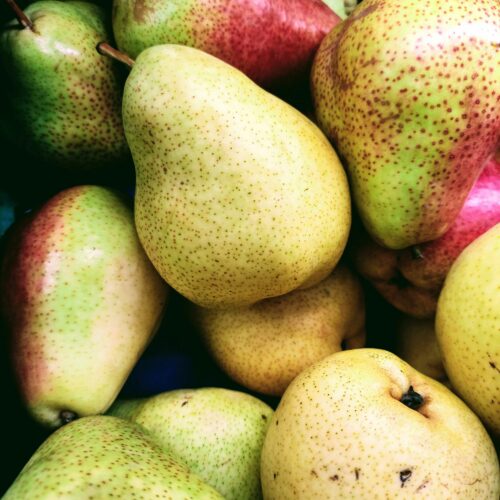
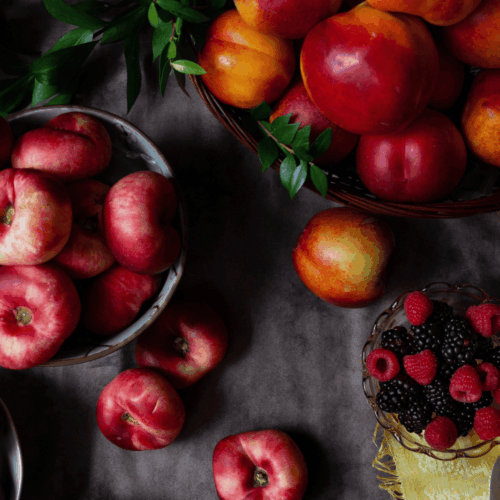
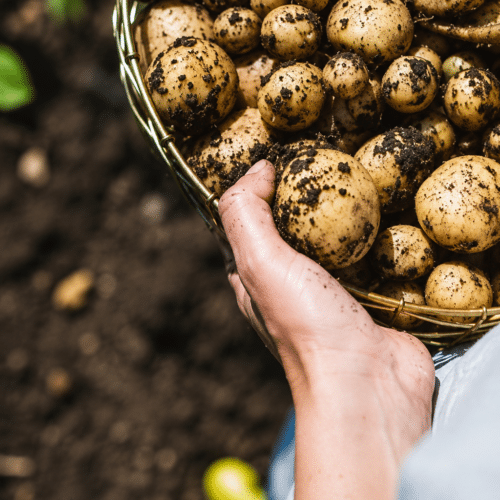
Preserving cherries at home doesn't have to feel overwhelming or take up your whole weekend. Whether you fill the freezer with syrup-packed bags for pies later, or can up a batch for the pantry, it's a simple way to keep that sweet, juicy cherry flavor on hand all year long.


Leave a Reply