


If you're looking for a drought-resistant herb that can be grown in containers, thyme is the perfect choice! It's super easy to grow, making it a great herb for beginner gardeners. Discover how to grow thyme and get ready to add a pop of flavor to your recipes!
WANT TO SAVE THIS RECIPE?
Enter your email below and we'll send it straight to your inbox. Plus you’ll get great new recipes from us every week!
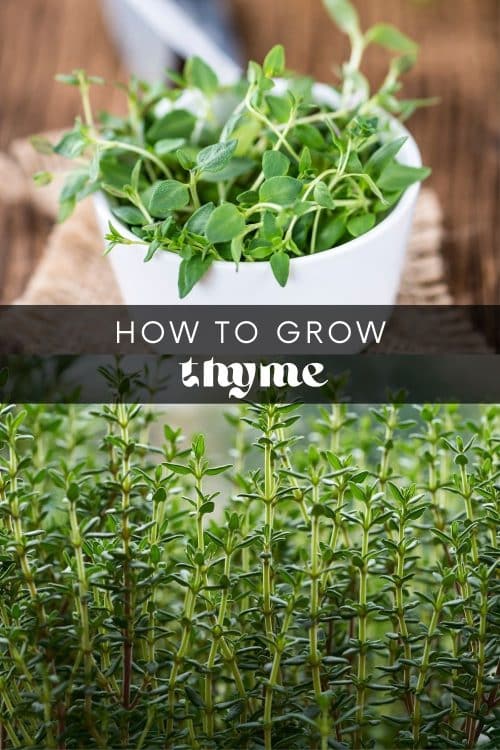
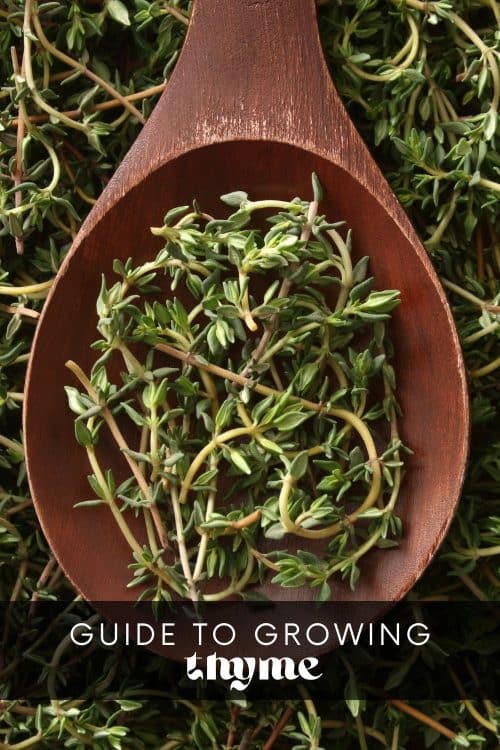
Common thyme (Thymus vulgaris) is a perennial herb native to the Mediterranean region. It's also an evergreen plant, meaning it stays green throughout the year! Thyme has tiny, aromatic leaves and can produce small, purple, and pink flowers.
If you're wondering what thyme tastes like, think of a combination of mint and lemon with a slightly earthy flavor. Its unique flavor makes it a popular ingredient in many dishes, from soups and stews to marinades and sauces!
Let's take a look at everything you need to know to grow thyme at home.
Different Types of Thyme
There are lots of thyme varieties beyond the common thyme most of us know. Some are perfect for culinary uses, while others are only grown for their ornamental value. Here are some popular types of thyme you might consider growing:
- Lemon Thyme: This type of thyme has a strong lemon scent and taste, making it perfect for fish dishes or salads.
- Creeping Thyme: For a low-growing, groundcover thyme variety, consider planting creeping thyme. I think it looks stunning spilling over the edges of planters or used as ground cover.
- Caraway Thyme: This variety tastes and smells a little like caraway seeds. It's perfect for use in homemade bread or to season meat.
What Is the Best Month to Plant Thyme?
Thyme is best planted in the late spring to early summer once all threat of frost has passed. But, as thyme is commonly grown from cuttings (rather than seeds), you can actually plant it at any time of the year! Just avoid planting during extreme weather conditions, like a heatwave or freeze.
If you do want to try growing thyme from seeds, start them indoors 8-10 weeks before the last frost date in your area.
How Long Does Thyme Take to Grow?
If you manage to germinate your thyme seeds successfully, the plants can take anywhere between 60-200 days to fully mature. The total time depends on the variety of thyme you're growing, as well as your climate and growing conditions. It’s safe to say that thyme is a slow-growing herb compared to others, like basil and mint.
What Are the Best Growing Conditions for Thyme?
Like most herbs, thyme needs certain growing conditions to grow successfully. Here are a few things to consider:
Sunlight
Thyme does best in full sunlight, but it can tolerate partial shade. So long as it gets at least 6 hours of sunlight each day, your thyme should grow well. However, too much shade can stunt its growth and cause it to become leggy.
Soil
If you have poor soil conditions in your garden, you're in luck! Thyme thrives in soil other plants might struggle with, like dry, rocky, or sandy soil. Just make sure that the soil is well-draining and not too rich in nutrients - it hates sitting in wet or overly fertile soil.
Location
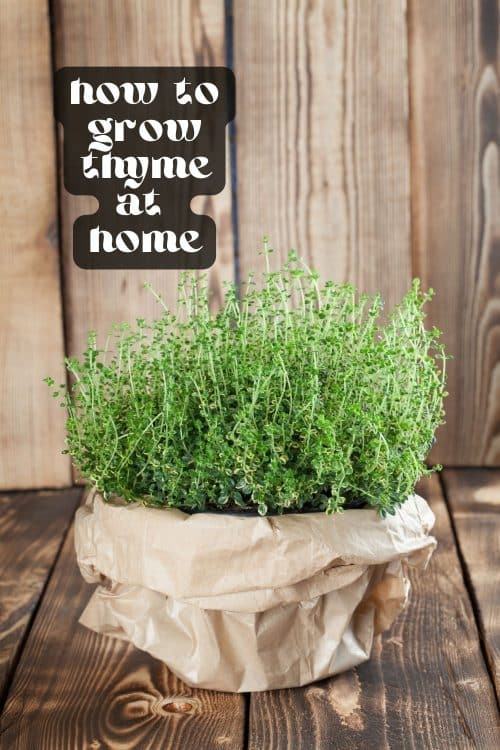
Thyme grows well both indoors and outdoors, meaning you can grow it in a container if you're short on garden space. Its location should receive enough daily sunlight and have good air circulation to prevent moisture buildup.
Temperature and Humidity
Thyme is a hardy, woody herb that does well in a range of climates. As it's native to the Mediterranean, it prefers warmer temperatures of 65-80°F (18-27°C) and low humidity. But some varieties can tolerate temperatures as low as -30°F (-34°C)! It will die back in the winter but should regrow come spring.
Container
Use a terracotta or clay pot for thyme to allow better drainage and air circulation. One that's around 8-12 inches wide and deep is perfect for growing thyme. No matter what type of container you use, ensure it has drainage holes in the bottom to prevent water from pooling.
How to Grow Thyme
Most home gardeners grow thyme from cuttings or divisions, and for good reason. While it's entirely possible to grow thyme from seed, it's tricky to get them to germinate, and if they do, it takes a very long time to see any growth. Propagating allows you to clone the parent plant to be an exact genetic match - ensuring a successful and healthy plant.
If you don't have any plants to propagate from, you can purchase thyme plants from a nursery or garden center. Look for healthy plants with bright green leaves and no signs of pests or disease.
Growing Thyme from Cuttings
- In the spring, choose stems that are healthy, non-flowering, and not too woody. They should also be at least 3 inches long.
- Remove the lower leaves from each stem, leaving the top 1-2 inches intact.
- Dip the cut ends in rooting hormone (optional).
- Plant the stems in a moist, well-draining soil and put them in a warm and bright location.
- The soil should be moist but not waterlogged.
- In a few weeks, you should see new growth emerging from the top of the stems.
- After the stem has grown a little and developed a root system, you can transplant it into a bigger container or outdoors.
Growing Thyme from Divisions
- Wait until spring or fall to take divisions from an established thyme plant. It should be at least 2 years old.
- Gently dig up the plant and separate the root ball into smaller clumps, making sure each division has both roots and leaves attached.
- Plant the divisions where you want them to grow, making sure the roots are covered with soil.
- Water each division thoroughly and treat them like a mature plant.
6 Tips for Growing Thyme
Thyme is a wonderful herb that doesn't need much attention, but here are a few tips to help ensure its success:
Water Sparingly
Young plants will need watering often until they are established, but once this happens, thyme is pretty drought-tolerant. Let the soil dry out between waterings, and don't worry too much if you forget to water it every now and then. Established thyme plants only need watering every month or so, depending on the climate.
Add Some Mulch During Winter
Thyme does well in colder climates, but it may need a little extra protection during harsh winters. Add a layer of mulch around the base of the plant to help insulate the roots. The plant will still die back during winter, but the mulch will help ensure its survival.
Fertilize Once a Year
We know thyme loves poor soil, but adding some fertilizer once a year can help give it an extra boost. Use a balanced fertilizer diluted to half strength and apply it in early spring before new plants and growth appear.
Too much fertilizer can lead to bushy, leafy growth with less flavor, so be careful not to overdo it.
Watch for Pests and Diseases
Pests don't usually bother thyme, but occasionally, aphids, spider mites, or fungus gnats can affect indoor herb gardens. Treat any infestations with organic methods, such as insecticidal soap or traps.
Overwatering and poor air circulation can lead to fungal diseases. Check your thyme plants have good drainage and enough space between them if you see any signs of disease. Too much water can also cause root rot.
Prune After Flowering
Thyme produces small, delicate flowers in the summer months. Once they start to fade, prune the plant back to encourage new growth.
Divide Every Few Years
Thyme can get woody and lose flavor over time. Divide your plants every 3-4 years to keep them healthy and productive. Follow the instructions above for dividing established plants and replanting the new sections in fresh soil!
How to Harvest Thyme
You can harvest stems from established plants at any time throughout the year - the beauty of an evergreen herb! It even tastes great after flowering, but the flavor might be milder.
Cut off some stems from the outer part of the plant with sharp scissors or pruners. Make sure not to take more than a third of the plant at once. The morning, just after the dew dries, is the best time to harvest herbs.
How to Store Thyme
Thyme is best used fresh from the garden, but you can also store it later! This means you can have fresh thyme in your cooking all year round - even if your plant dies back during winter. Here's how I store thyme:
Storing Thyme in the Refrigerator
- Wrap fresh stems in damp paper towels and place them in a plastic bag.
- Store the bag in the refrigerator's crisper drawer, where it will stay fresh for up to 2 weeks.
- They also store well in a glass of water in the fridge - similar to cut flowers.
Freezing Thyme
- Wash and dry fresh thyme stems. Remove the thyme leaves and discard the woody stems.
- Place the leaves in a freezer bag or container and freeze for up to 3-6 months.
Drying Thyme
- Bunch together some fresh (washed and dried) stems and hang them upside down in a warm, dark place. Or use an herb dehydrator for a quicker process.
- When the stems are crisp to the touch, remove the leaves and store them in an airtight container for 6-12 months. I love dried herbs as they are much more flavorful than fresh!
How to Use Thyme
Thyme has an intense, earthy flavor that adds depth to any dish. I often use it in stews, soups, and marinades as it pairs well with meats and vegetables.
Add a pinch of thyme to your favorite dishes for an extra punch of flavor. You can also use it as a garnish for soups or sprinkle it over roasted vegetables!
Thyme grows well in both locations! So long as it receives plenty of sunlight and is planted in well-drained soil, it’ll thrive indoors and outdoors.
As the flavor of thyme isn't affected by flowering, it's completely up to you whether or not you let it flower. I sometimes pinch off the thyme flowers to encourage more leaf growth, but sometimes, I let them flower to attract pollinators to my herb garden.
Check out these other Herb posts:
- What Herbs Are Toxic to Dogs?
- DIY Kitchen Window Herb Garden Ideas
- Herb Harvest and Preservation
- Herb Garden Ideas
- How to Get Rid of Gnats on Indoor Herbs
- 12 Best Herb Garden Plants
- 8 Best Indoor Herb Plants
- How to Grow Catmint
- How to Grow Cilantro
- How Long Does It Take Basil to Grow?
- How to Grow Mint Outdoors
- How to Grow Citronella Plants
- How to Grow Mint Indoors
- How to Grow Lavender in Containers
- How to Grow Oregano


Leave a Reply