


With a compact growth habit and delicate leaves, parsley is the perfect addition to your herb garden. It’s easily grown in small spaces, pots, or even on windowsills! Learn how to grow parsley, and then use it to garnish your meals or add flavor to soups and stews.
WANT TO SAVE THIS RECIPE?
Enter your email below and we'll send it straight to your inbox. Plus you’ll get great new recipes from us every week!
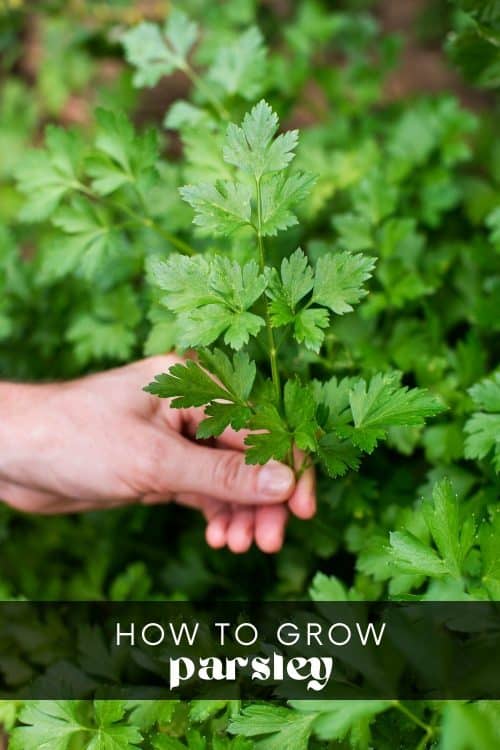
Parsley (Petroselinum crispum) is a biennial herb that is more commonly grown as an annual. It's a member of the Apiaceae family, which includes other herbs such as cilantro and fennel. The plant has bright green leaves divided into two or three segments, with small white flowers that usually bloom in its second year.
As parsley produces flowers in its second year, the flavor of the leaves can become slightly bitter. This is why it's more commonly grown as an annual. You can then start new plants from seed the following year!
Let's take a look at everything you need to know about growing parsley.
Different Types of Parsley
There are many varieties of parsley to choose from, with each offering its own unique flavor and appearance. Consider these different types when selecting which seeds to plant in your garden:
- Curly Leaf Parsley: Curly parsley has tightly curled leaves and has a stronger flavor than other varieties.
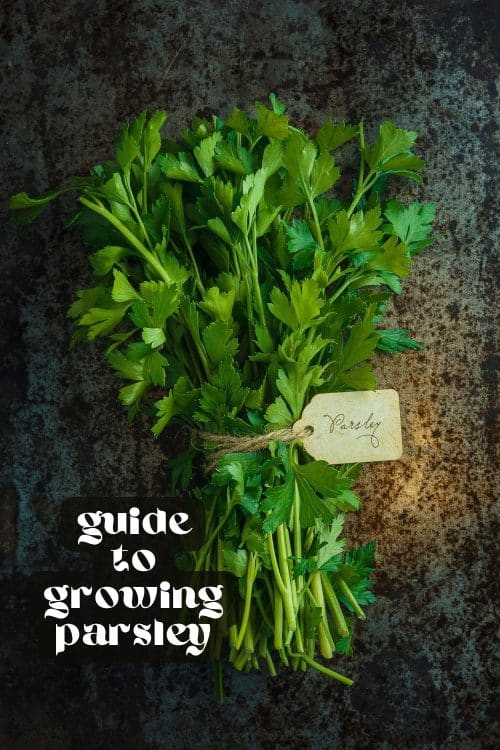
- Flat Leaf Parsley: You may have heard of flat-leaf parsley referred to as Italian parsley. It has flat leaves and a milder flavor, making it popular for cooking.
- Hamburg Parsley: While we mainly use parsley leaves, this variety has a larger root, which can be eaten as a vegetable. The roots resemble parsnips and are usually added to stews and soups.
What Is the Best Month to Plant Parsley?
Parsley seeds are usually planted in the early spring, with the exact month depending on your climate. Seeds can be started either indoors or planted directly outside. To get a kickstart on the growing season, start your parsley plants indoors 8-10 weeks before the last frost in your area. Then, move them outdoors once any threat of frost has passed.
Outdoor sown seeds can be planted 3-4 weeks before the last frost. The seeds can take a while to germinate, but once they do, the plants require little maintenance in the right conditions!
How Long Does Parsley Take to Grow?
No matter which variety you plant, parsley is typically a slow grower. You can expect seedlings to emerge after 4-6 weeks, and mature plants can take up to 90 days to mature.
However, the exact growth time will depend on your climate and growing conditions.
What Are the Best Growing Conditions for Parsley?
Parsley plants are an easy herb to grow and only require a few key things to thrive. Here are the best-growing conditions for parsley:
Sunlight
Parsley is a sun-loving plant, meaning it needs around 6 hours of direct full sun each day. If you live somewhere with hot summers, you may want to provide partial shade from the intense afternoon sun.
Soil
A rich, well-draining soil is best for growing parsley. Add some organic matter to give your plants an added boost - they'll thank you for it!
As for the soil pH, parsley prefers a slightly acidic to neutral soil, around 6.0-7.0.
Location
I love growing parsley as part of my indoor herb garden, but it also does great when grown outside. Be sure to put your indoor plants next to a sunny window for plenty of light. A grow light will work if you don't have any particularly sunny areas available.
Parsley is also a great companion plant for tomatoes, broccoli, and other herbs such as basil. Just keep your parsley away from any mint plants. Mint can be quite invasive, and the parsley may accidentally take on its minty flavor!
Temperature and Humidity
Parsley is a hardy herb and can handle a range of climates. However, the best temperature range for parsley is between 50-75°F (10-24°C) for optimal growth. It doesn't have any specific humidity requirements.
Container
Parsley is a fairly shallow-rooted herb and doesn't need a huge container. One that is 8-12 inches wide/deep is sufficient for one plant. This makes parsley a great addition to a windowsill herb garden!
Always make sure your container has good drainage holes to prevent overwatering and root rot.
How to Grow Parsley
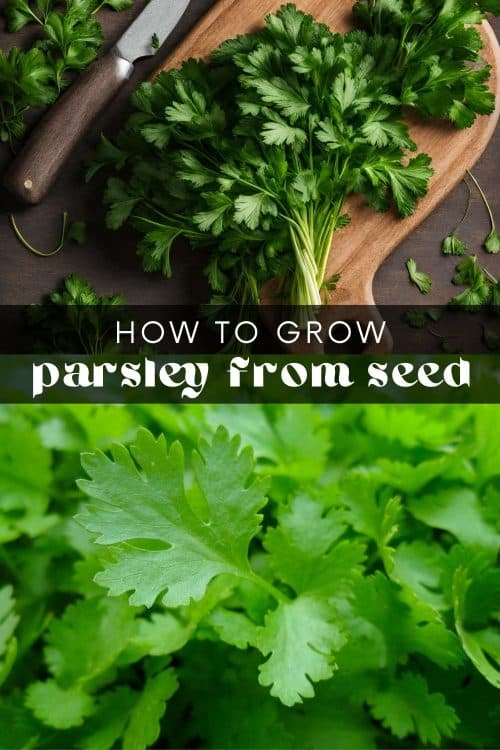
Starting parsley from seeds is very easy but requires a lot of patience. There’s also a low germination rate for parsley seeds, so always plant a few more than you actually need. If you don't want to wait for seeds to germinate, parsley is usually available as a small plant from your local nursery or garden center.
Growing Parsley from Seed Indoors
- Parsley seeds are best bought fresh each year as I find they don't keep well.
- Start your seeds indoors 8-10 weeks before your last frost date.
- Soak the seeds in warm water for 24 hours before planting. This will help speed up germination.
- Fill your container with a dampened potting mix.
- Sprinkle the seeds on top of the soil and gently press them in about ¼ inch deep. Cover them loosely with a thin layer of potting mix.
- Cover your container with plastic wrap or a clear lid to create a mini greenhouse, and leave it in a warm spot with indirect sunlight.
- Once your seeds sprout, remove the cover and place it somewhere with plenty of sunlight - like a sunny windowsill. Use a grow light if needed.
- If moving them outdoors, harden off the plants by gradually exposing them to outdoor conditions for a few hours each day. This will prevent transplant shock. Plant them in their final location once the parsley seedlings are around 4 inches tall and hardened off.
Growing Parsley from Seed Outdoors
- Buy fresh parsley seeds and sow seeds in spring, around 3-4 weeks before the last frost.
- Prepare the soil by loosening it up and removing any debris or weeds.
- Mix in some compost to add nutrients to the soil.
- Sprinkle the seeds over the prepared area and gently press them ¼ inch deep into the soil.
- Cover the seeds with a thin layer of soil and water gently.
- It should have moist soil, not soggy.
- Thin out the seedlings once they start to grow if needed. Leave about 6-8 inches between each plant.
Planting an Established Parsley Plant
Buying an established parsley plant or seedling bypasses the germination process and gives you an instant head start. Here's how to plant an established parsley plant:
- If the plant was grown indoors and you want to plant it outdoors, harden it off first by exposing it to outdoor conditions for a few hours each day for a week.
- Choose a sunny spot in your garden with well-draining soil.
- Dig a hole slightly larger than the root ball of the plant and carefully transplant it.
- Pack the soil gently around the plant and water well.
How to Propagate Parsley
Parsley isn't known to propagate easily, but there's no harm in trying if you have an abundance of parsley stems to use up! Here's how you can propagate parsley:
- Cut a 4-6 inch stem from an established parsley plant just below a leaf node.
- Strip off the bottom leaves, leaving only a few at the top.
- Place the stem in a glass or jar of water. Change out the water every few days to keep it fresh.
- After about 2 weeks, you should see roots starting to form.
- Once the roots are about 1 inch long, carefully transplant the stem into a pot with well-draining soil.
5 Tips for Growing Parsley
Parsley doesn't need much additional care from you beyond the basic conditions mentioned above. However, here are some tips to help your parsley thrive:
Keep the Soil Moist
Parsley needs around 1 inch of water per week and shouldn't be allowed to dry out completely. It doesn't do well in overly soggy soil, so well-draining soil is a must!
Add a Some Mulch
Add a layer of mulch around the base of the plant to help retain moisture in the soil and keep weeds away. You only need a little bit; around 2-3 inches of mulch will do.
Add Organic Matter
Parsley thrives in soil that is rich in organic matter. You can add some compost or well-rotted manure to the soil before planting your parsley. If you don't have access to these, you can also use a little fertilizer at the beginning of the growing season.
Look Out for Pests and Diseases
Unlike many other plants, parsley isn't known to attract many pests or diseases. It's actually often used to repel pests from other plants! However, swallowtail caterpillars love to munch on parsley before they turn into beautiful butterflies. I prefer to let them be, but if you have a large infestation, you can handpick them off the plant. They'll soon turn into butterflies, which help pollinate your garden!
Some diseases to look out for include root rot, powdery mildew, and leaf spot. Good air circulation and avoiding over-watering can help prevent these issues.
Remove Any Flowers
It's not the norm for parsley to flower in its first year, but it can bolt during high temperatures or if the plant is stressed. Bolting is when the plant starts to produce flowers and go to seed. This signals the end of the plant's life cycle, so it's important to remove any flower stalk that appear early on. You can also remove any dead or broken stems.
Other than this, parsley doesn't need to be pruned beyond your normal harvesting.
How to Harvest Parsley
Harvest your parsley in the morning once the plant has around 8-10 leaves. You can either cut individual leaves or use the "cut and come again" method, where you snip off the outer stems, leaving the inner ones to continue growing.
It's best not to harvest more than a third of the plant at once. This will ensure that the plant keeps growing and producing new leaves.
How to Store Parsley
You can wash and use fresh parsley straight from the plant as needed. But if you have a surplus, you can also store it for later use. Here are my tried and tested methods for storing parsley:
Storing Parsley in the Refrigerator
- Cut stems can be stored in a jar of water in the fridge. They'll be good for about a week this way; just don't let any lower leaves sit in the water.
Freezing Parsley
- You can freeze whole or chopped parsley leaves, and they'll last for 3-6 months.
- Wash and dry the fresh leaves and then spread them out on a baking sheet. Once they're frozen, transfer them to a ziplock bag and store them in the freezer.
Drying Parsley
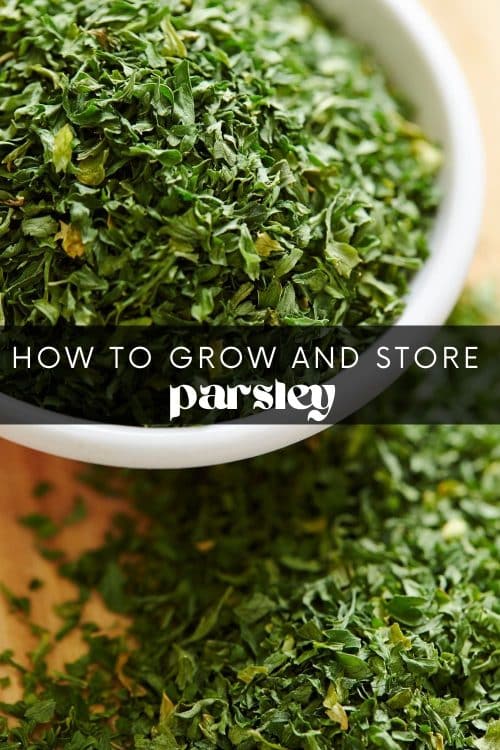
- Either hang a bunch of parsley upside down in a dry, well-ventilated area for about 2 weeks or use an herb dehydrator to dry your parsley.
- Dry parsley will last for 6-12 months in an airtight container. I like using old spice jars to store my dried herbs.
How to Use Parsley
Parsley is a great garnish on many dishes as it can bring out the flavors of other ingredients. It also works well when mixed into sauces, dressings, and marinades!
Even if a recipe doesn't call for parsley, it would still make a great garnish. Before you know it, it'll be your most used herb in the kitchen!
Parsley is a biennial plant, which means it can live for two years. Most of us grow parsley as an annual, though, replacing it each year.
No, parsley and coriander (also known as cilantro) are not the same herb. They look a little similar and are from the same family, but that's where the similarities end. Parsley has a mild, grassy flavor, while coriander has a stronger, citrusy taste.
Check out these other Herb posts:
- What Herbs Are Toxic to Dogs?
- DIY Kitchen Window Herb Garden Ideas
- Herb Harvest and Preservation
- Herb Garden Ideas
- How to Get Rid of Gnats on Indoor Herbs
- 12 Best Herb Garden Plants
- 8 Best Indoor Herb Plants
- How to Grow Catmint
- How to Grow Cilantro
- How Long Does It Take Basil to Grow?
- How to Grow Mint Outdoors
- How to Grow Citronella Plants
- How to Grow Mint Indoors
- How to Grow Lavender in Containers
- How to Grow Oregano


Leave a Reply