
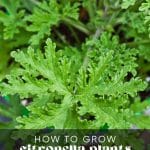


Sometimes, all we need is a low-maintenance plant to add to our garden. A plant that thrives in the sun, is easy to grow, and requires minimal care – the citronella plant ticks all these boxes! With its sweet scent and green foliage, you'll love having this herb around.
WANT TO SAVE THIS RECIPE?
Enter your email below and we'll send it straight to your inbox. Plus you’ll get great new recipes from us every week!
You may have heard citronella plants (Pelargonium citrosum' van Leenni') be called mosquito plants. It’s believed the plant's citrusy scent and natural citronella oil can repel mosquitoes. While the truth behind that claim is debatable, there's no denying that this herb makes a lovely addition to your garden.
Let's take a look at everything you need to know about growing citronella plants.
What Is a Citronella Plant?
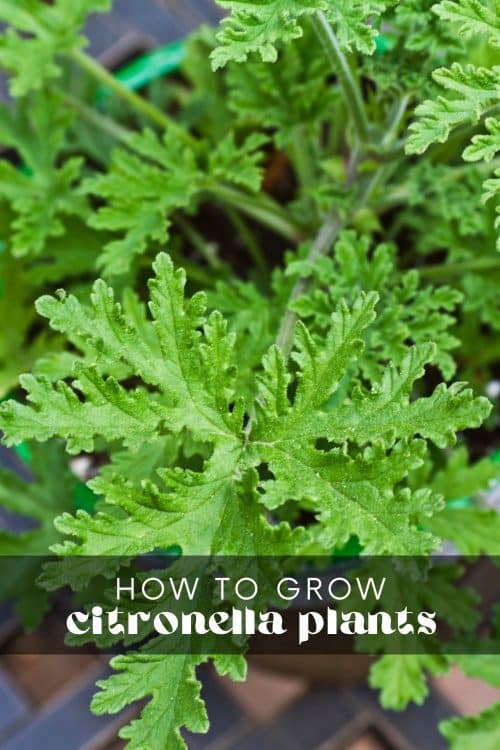
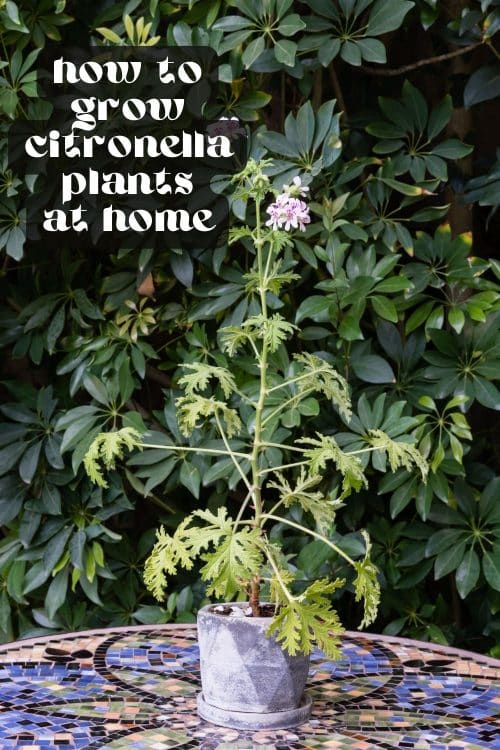
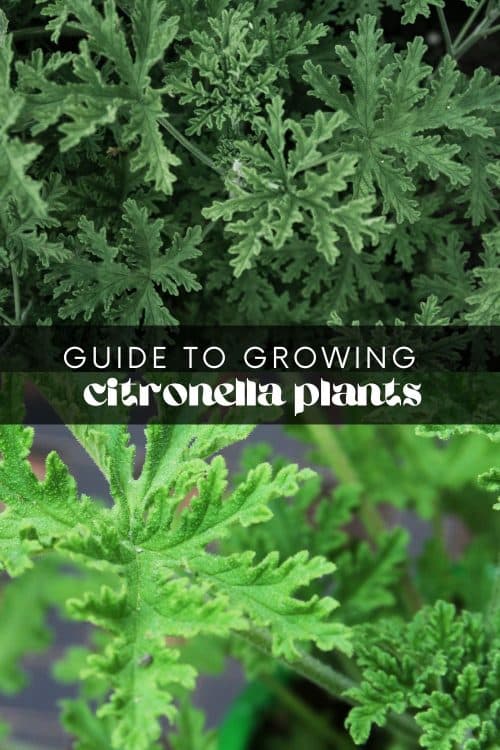
Citronella plants are a low-maintenance herb that belongs to the geranium family. It’s native to South Africa and has been used for centuries in traditional medicine. The lacy leaves of the citronella plant are green and textured, with a slightly serrated edge. It also produces small purple-pink flowers during the summer months. Citronella plants have a distinct lemony scent.
Many people believe that citronella plants can repel mosquitoes. They often rub the leaves on their skin or place them around outdoor areas to keep mosquitoes at bay. However, the levels of citronellal found in this plant are not enough to significantly affect mosquitos.
Citronella plants also contain geraniol and linalool – which can irritate the skin. So, while it may smell lovely, it's best not to rely on this plant as your only mosquito repellent!
When Is the Best Time of Year to Plant Citronella Plants?
If planting outdoors, you'll want to wait until the last frost in early spring has passed. Many gardeners plant citronella plants when they plant tomatoes, as they have similar temperature requirements.
You can also start citronella plants indoors. Start your seeds 6-8 weeks before the last frost, then transplant them or grow them indoors.
What Are the Best Conditions for Growing Citronella Plants?
While citronella plants are pretty easy to grow, they do best in certain conditions. Here are some things to consider when growing the fragrant plants:
Light
Citronella plants love full sun – they need at least 6 hours of sunlight daily to thrive. If you're growing them indoors, place them near a sunny window. Partial shade is a good idea if you live somewhere with hot afternoon sun. The afternoon shade can help prevent wilting.
Temperature and Humidity
Citronella plants can be grown as a perennial or annual, depending on your climate. It can handle various temperatures but doesn't tolerate freezing weather. The ideal temperature for citronella plants is between 70-75°F (21-24°C). Although, any range between 50-90°F (10-32°C) is generally fine.
As for humidity, citronella plants prefer levels of 40-70%.
Soil
Citronella plants like well-drained soils with a slightly acidic pH of 5.8-6.5. Sandy or loamy soil types also work well. If planting in containers, use an all-purpose potting mix.
Container
You can grow citronella plants in hanging baskets, window boxes, pots, or containers. This is a good option for cooler climates, as you can bring the potted plant inside during the winter months. No matter what you use, make sure it has good drainage holes. A 12-inch pot is recommended for these container-grown plants.
How to Grow Citronella Plants
Growing citronella plants is pretty straightforward – you can either start with seeds or buy an already established plant. Using a seedling is the quickest option, as the seeds can take a while to germinate.
How to Grow Citronella Plants From Seeds Outdoors
- Choose a sunny spot in your garden with well-drained soil.
- Loosen the soil and remove any debris.
- Sprinkle the seeds on top of the soil and lightly cover them with a thin layer of soil.
How to Grow Citronella Plants From Seeds Indoors
- Fill a pot or container with moist potting mix. Seed trays or 4-inch pots will work nicely.
- Scatter the seeds on top of the soil and lightly cover them with a thin layer of soil.
- Place a clear plastic bag or wrap over the top to create a greenhouse effect. This will help keep the soil moist and warm.
- Place the pot in a warm, sunny spot.
- Remove the plastic wrap once seedlings have sprouted, usually within 2-3 weeks.
- Transplant the new plants into individual larger pots.
- Harden off the plants by slowly introducing them to outdoor conditions over 2 weeks before planting them in the ground.
How to Grow Citronella Plants From an Established Plant
- Choose a healthy plant with a good root system and vibrant green leaves.
- Dig a hole twice the size of the root ball.
- Place the plant in the hole and fill in with soil, covering the roots completely.
- Water thoroughly after planting.
How to Propagate Citronella Plants
You can also grow new citronella plants by propagating stem cuttings from an established plant. Here's how to do that:
- Cut a 3-6 inch stem from an established plant just below a leaf node (where the leaves are attached).
- Remove all but the two top leaves.
- Dip the end of the cutting in rooting hormone, if desired.
- Place the cutting in a pot or container filled with moist potting mix.
- Cover the pot with a clear plastic bag or wrap to create a greenhouse effect.
- Place the pot in a warm, well-lit area and moisten the soil.
- Roots should start to form within a month.
- Harden off the new plant and transplant it outdoors or into a larger container, as outlined above.
How Often Should You Water Citronella Plants?
Citronella plants do well in drought-like conditions, but I'd refrain from letting the soil dry out completely. If the top inch of the dry, it's time to water. You may need to water every other day during the hot summer months. Potted plants tend to dry out quicker and need more watering.
Don’t use too much water when watering, as this can cause root rot.
Citronella Plant Care Tips
We want our citronella plant to be happy and healthy, so here are a few care tips to keep in mind:
Fertilize
Giving your citronella plant extra nutrients once a month during the growing season can help it thrive. A general-purpose fertilizer would work well.
Prune
Remove dead or damaged leaves from your citronella plant to keep it tidy. You can also prune back any leggy stems to promote fuller, bushier growth.
Pest Control
Citronella plants aren't really bothered by pests or diseases. If you notice any aphids, spray them with water or use insecticidal soap. If the issue continues, you can repot the plant with fresh potting mix.
The plant itself isn’t proven to have mosquito-repelling properties, but the oils found in the leaves can have some repellent qualities. If rubbed on the skin, the essential oils may act as a natural mosquito repellent for a short time. Just be sure to test a small area of skin first, as some people can have allergic reactions to the oils.
Citronella grass (Cymbopogon nardus) and citronella plants are not related. The citronella mosquito plant produces flowers and has a more bush-like appearance. Citronella grass is a type of grass that doesn't produce flowers. Both plants have a similar citronella scent but aren't the same.


Leave a Reply