

Not all indoor spaces get much light, but that doesn't mean you can't enjoy beautiful Hanging Plants Indoors Low Light conditions. The right trailing plants can thrive in windowless bathrooms, dim hallways, or north-facing rooms while purifying your air and adding natural beauty.
WANT TO SAVE THIS RECIPE?
Enter your email below and we'll send it straight to your inbox. Plus you’ll get great new recipes from us every week!
Why Hanging Plants Indoors Low Light Are Perfect for Every Home
Hanging plants are the perfect solution for maximizing vertical space in apartments and small homes where floor space comes at a premium. By utilizing unused ceiling areas and darker corners, these cascading beauties create visual interest at eye level and above.
They transform forgotten spaces into stunning green focal points that draw the eye upward. This vertical approach makes rooms feel larger and more dynamic. Beyond aesthetics, low light hanging plants offer practical benefits. Elevating your plants keeps them safely out of reach from curious pets and children.
This eliminates worries about toxic varieties being nibbled or knocked over. Even in dimmer spaces, these resilient plants continue to purify your indoor air. They filter out toxins and improve air quality while adding a touch of nature to every corner of your home.
The 13 Best Low Light Hanging Plants
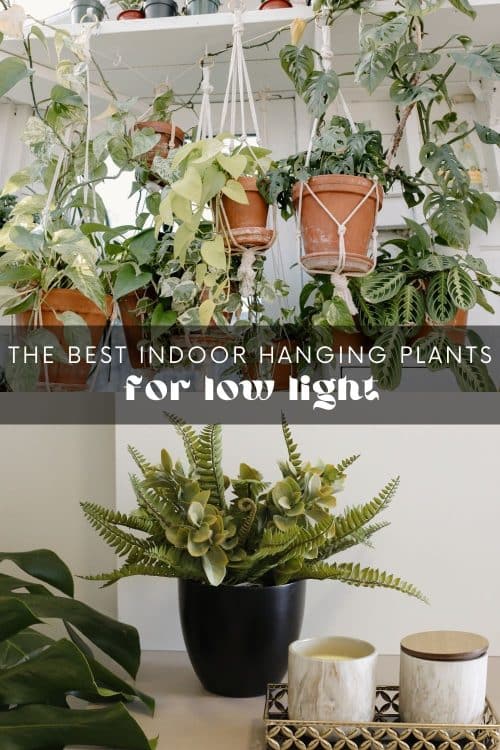
- English Ivy
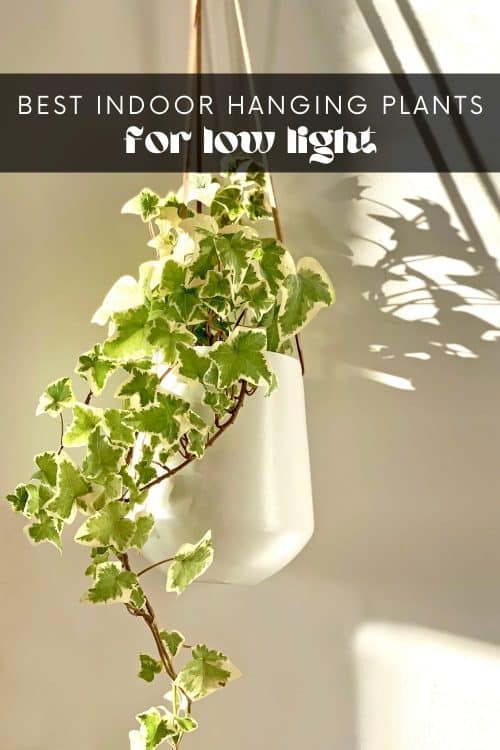
English Ivy (Hedera helix) is an evergreen vine capable of growing in various light conditions, including full sun and low-light areas. English Ivy is also known for its air-purifying qualities and can help to filter out toxins from the air.
It's easy to care for, as it only needs watering once a week during spring and summer, then slightly less during the cooler months - much like other common ivy plants. It's a perfect plant making it a good choice for first-timers.
- Heartleaf Philodendron
This perennial sweetheart plant is ideal for a low-light home since it can easily adapt to full and partial shade. Heartleaf Philodendron (Philodendron scandens) is quite hardy and can easily fill up any space with its trailing foliage of heart-shaped leaves.
You'll need well-draining soil to keep it healthy and apply a balanced liquid fertilizer every 3-4 months. However, if ingested, it can be toxic to pets and humans, so keep it out of reach!
- Pothos
Pothos (Epipremnum aureum) is another popular trailing houseplant that can tolerate low light, and it looks great cascading from a hanging pot. It's easy to care for and can survive in many soil types, so long as it is well draining.
Pothos vines can grow as long as 6-10 feet, meaning they are best hanging from high ceilings! There are wide varieties of Pothos, including Devil's Ivy, Golden Pothos, Jade Pothos, and Marble Queen, with the leaves ranging from solid to variegated shades of green and yellow.
- Monstera
Monstera (Philodendron bipinnatifidum), also known as Swiss Cheese Plant, is a tropical plant that’ll add an exotic flair to any room. It can survive in a wide range of light conditions but prefers partial shade, especially when grown indoors.
Monstera has its trademark dark green leaves with unique perforations and can look amazing when potted in a hanging planter - as the plant grows and trails down.
- Mistletoe Cactus
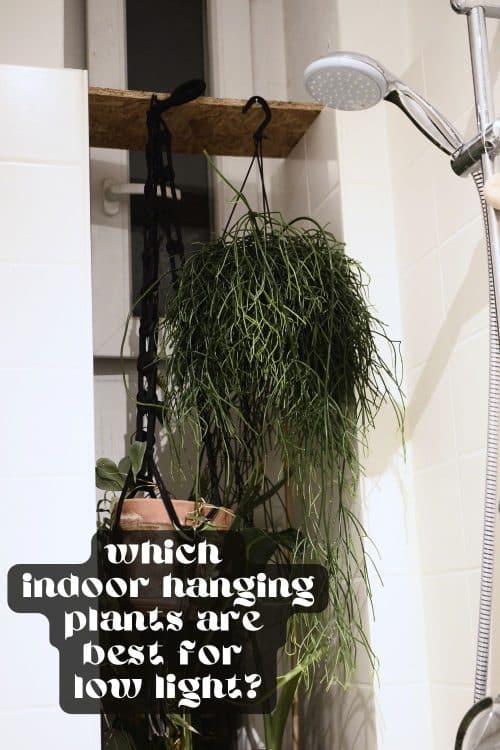
The Mistletoe Cactus (Rhipsalis baccifera) is an epiphytic cactus that can withstand various light conditions, although it prefers dappled shade and indirect sunlight.
It's known for its striking stems that dangle from its hanging basket and only needs occasional watering to stay healthy. It's a great choice for beginners. Mistletoe Cactus can also be a low-maintenance plant since it doesn't require regular feeding or pruning.
- Chinese Evergreen
With its big and beautiful foliage, the Chinese Evergreen (Aglaonema) is a tough and versatile indoor hanging plant. It grows great in low-medium light and partial shade.
Chinese Evergreen prefers moist soil and should be watered only when the top inch of soil is dry. You can find a wide range of varieties of this plant, each offering a unique color and pattern on the leaves - from solid green to shades of pink and purple!
- Burro's Tail
If you're looking for a unique and interesting plant to add to your collection, then look no further than the Burro's Tail (Sedum morganianum) - a succulent that thrives in indirect light and partial shade.
The Burro's Tail is an excellent choice of low-light houseplants since it requires little care. It features long trailing stems covered with plump, fleshy leaves that grow in bunches giving it the signature Burro’s Tail appearance.
- Spider Plant
The Spider Plant (Chlorophytum comosum) is one of the most popular houseplants and is a great way to add some greenery to the home. Although bright light is best, these plants are tough and can survive in various light conditions.
Hang them in a basket at a window, and they will grow long stems (spiderettes) that can be cut and replanted to create new plants. Spider Plants are also incredibly hardy and can tolerate periods of neglect!
- Boston Fern
This humidity-loving fern is perfect for hanging in your bathroom or kitchen with moisture and humidity, but it can also be a great addition to your living room with lower humidity if you keep the soil moist.
Boston Fern (Nephrolepis exaltata), or Sword Fern, is a low-light houseplant with lacy fronds that can trail up to 3 feet long. To ensure your Boston Fern stays healthy, water it regularly and provide it with a liquid fertilizer every few months.
- Peperomia
Peperomia is a variety of small houseplants with beautiful, waxy foliage. The Peperomia family has many different plants, each with its own unique look.
The leaves of Peperomia can be solid or variegated, with colors ranging from light green to deep purple. Peperomia is also a wonderful low-light houseplant, so you can place it in indirect light and shade without worrying about it getting too much sun.
- Prayer Plant
The Prayer Plant (Maranta leuconeura) is a lovely houseplant for beginners and experienced plant lovers alike. With its unique patterned foliage, which can be patterned or solid, the Prayer Plant looks excellent in any room of your home.
It thrives in partial shade and loves moisture, so make sure it is watered regularly. The Prayer Plant gets its name from its leaves folding up at night - giving it the appearance of hands folded in prayer!
- Rex Begonia
With its striking foliage, Rex Begonia (Begonia rex-cultorum) is a popular houseplant that adds a bit of flair to any room. It features heart-shaped leaves in various colors, from solid green to purple and cream.
Rex Begonia loves well-draining soil and should be watered when the top inch of soil is dry. Just be aware that Rex Begonia can be toxic to pets, so keep it out of reach if you have cats or dogs at home.
- Nerve Plant
For a plant that can also produce white flowers, look no further than the Nerve Plant (Fittonia argyroneura). This low-light houseplant is easy to care for and has dark green leaves that are patterned with veins of pink or white.
It does best in a low light setting and likes its soil to be moist - not soggy. Just make sure your Nerve Plant is not exposed to direct sunlight, as it can cause the leaves to burn.
How to Care for Low Light Hanging Plants
Now you've got a good idea of the best low-light houseplants to add to your home; it's time to learn how to care for them. Here are some tips for keeping your houseplants healthy:
- Understand the light requirements: All the plants on this list do well in low-light conditions, but some do better than others in certain light levels. Place your plants in an area with bright indirect light, partial or full shade - depending on the type of plant.
- Water your plants regularly: Houseplants need to be watered regularly but don’t overwater as this can cause root issues. Check the top inch of soil - if it is dry, it's usually time to water your plants.
- Fertilize your plants: Most houseplants benefit from regular fertilizing with a liquid fertilizer, especially during the prime growing seasons. This can vary depending on the plant, so be sure to research what type of fertilizer and how often to fertilize your specific plants.
- Prune or repot as needed: Over time, some of your houseplants may need to be pruned or repotted. This can help keep the plant healthy and promote growth, so assess your plants periodically to see if they need extra care.
- Look out for infestations: Houseplants can be susceptible to pests and diseases. Keep an eye out for any signs of infestations, such as gnats, ants, or fungus, and treat the plant immediately. Check out my blog post on how to get rid of gnats on indoor herbs - it includes some effective, non-toxic remedies to protect your plants.
- Monitor your plant's growth habits: These may be good indoor plants that don't need a ton of light - but sometimes, certain plants may need more light than you initially thought. Watch out for signs your plants need more light, like yellowing leaves, leggy growth, or shedding leaves. If you notice any of these signs, move your plant to a brighter area and see how it responds!
Best Placement Ideas for Hanging Plants Indoors
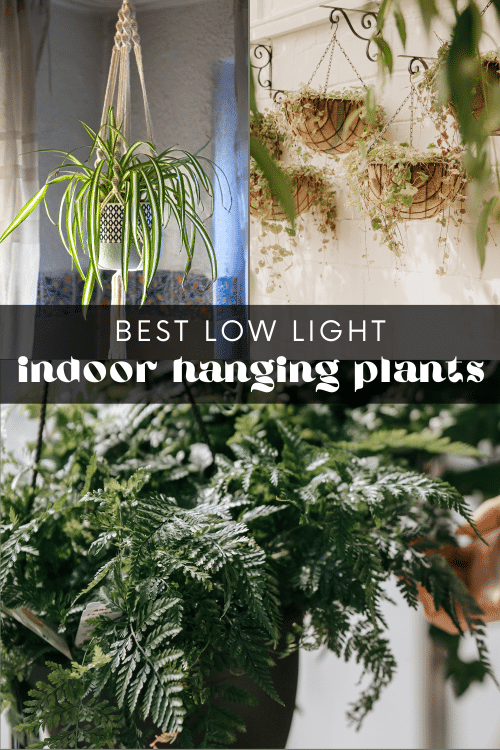
Strategic placement of your hanging plants can maximize their health and visual impact while taking advantage of each room's unique lighting and environmental conditions. Below are placement ideas for hanging plants indoors:
- Bathroom: Humidity-loving varieties like Boston Ferns and Prayer Plants thrive in the moisture from showers and baths.
- Kitchen: Hang near windows for filtered light or in corners above countertops to save workspace.
- Living room: Create focal points with statement plants like Monstera above seating areas or in empty corners.
- Bedroom: Air-purifying plants like Pothos filter toxins and release oxygen while you sleep.
- Hallways and entryways: Brighten transition spaces with trailing plants that soften bare walls and create welcoming greenery.
- Home office: Boost productivity and reduce stress by positioning plants above your desk or in peripheral vision.
Hanging Methods and Container Options
Once you've chosen your low light hanging plants, selecting the right hanging method and container is crucial for both aesthetics and plant health. Below are various hanging methods and container options:
- Macramé hangers: These bohemian-style rope hangers add texture and charm while securely cradling pots of various sizes.
- Wall-mounted brackets: Space-saving brackets attach directly to walls, perfect for areas where ceiling hooks aren't feasible.
- Ceiling hooks: Ensure hooks are properly anchored and rated for the weight of your plant, pot, and moist soil combined.
- Self-watering planters: Built-in reservoirs reduce watering frequency, ideal for hard-to-reach hanging spots or busy schedules.
- Decorative pots: Choose pots with drainage holes and saucers to prevent root rot, or use decorative cache pots with removable nursery pots inside.
Common Mistakes to Avoid
Even experienced plant parents can make missteps when caring for hanging plants in low light conditions. Avoid these common pitfalls to keep your plants thriving:
- Overwatering in low light: Plants in dim areas use less water due to slower evaporation and reduced photosynthesis, so adjust your watering schedule accordingly.
- Ignoring humidity needs: Many hanging plants are tropical and suffer in dry indoor air, especially during winter months with heating systems running.
- Using heavy pots without proper support: Ceramic and terracotta pots filled with wet soil can be surprisingly heavy and require sturdy hooks and ceiling anchors.
- Placing toxic plants within reach of pets/children: Varieties like Philodendron and Rex Begonia should be hung high enough that curious pets and kids can't access the leaves.
- Forgetting to rotate plants for even growth: Hanging plants naturally grow toward light sources, so rotate them quarterly to prevent lopsided, uneven growth.
Hanging Plants Indoors Low Light FAQs
Pothos, Spider Plant, and Heartleaf Philodendron are the top choices for beginners because they're nearly indestructible and forgiving of inconsistent watering. These plants bounce back quickly from neglect, tolerate a wide range of light conditions, and show clear signs when they need attention, making them perfect for learning basic plant care without the stress of losing your investment.
While some plants like Pothos and Philodendron can tolerate very low light conditions, rooms with absolutely no natural light will eventually cause most plants to decline. For windowless spaces like basements or interior bathrooms, you'll need to supplement with grow lights for at least 8-12 hours daily to keep your hanging plants healthy and thriving long-term.
Spider Plant, Boston Fern, Prayer Plant, and Peperomia are all non-toxic options that are safe if your pets decide to take a nibble. These plants won't cause harm to cats or dogs, though it's still best to hang them out of easy reach since chewing on leaves can cause minor digestive upset, and you'll want to protect your plants from becoming pet snacks.
Final Thoughts
Low light doesn't mean you have to sacrifice the joy and beauty of indoor greenery—it simply means choosing the right plants for your space.
With so many stunning hanging plants indoors low light available, from the trailing vines of Pothos to the dramatic fronds of Boston Ferns, you have endless options to transform even the dimmest corners of your home into lush, living displays.
Don't be afraid to experiment with different varieties to discover which ones thrive best in your unique environment and match your personal style.
Start with one easy-care plant like, a Spider Plant or Heartleaf Philodendron, to build your confidence, then gradually expand your collection as you become more comfortable with their care requirements. Before you know it, you'll have a thriving indoor jungle that brings life, color, and fresh air to every room in your home—no bright windows required.
More Favorites From Longbourn Farm
Did you find this info helpful? If so, please share it on Instagram, Facebook, or Pinterest!


Leave a Reply