
Fungus gnats are small, pesky insects that can be a nuisance to humans and plants. While gnats only have a short life cycle, they reproduce quickly, which makes getting rid of them tricky. If you're currently dealing with a gnat infestation, you're likely wondering what caused it in the first place. Could it be your beloved plants?
In this article, we explore the connection between plants and gnats. We'll discuss if it is your plants that attract gnats, as well as tips on how to prevent and get rid of them.
WANT TO SAVE THIS RECIPE?
Enter your email below and we'll send it straight to your inbox. Plus you’ll get great new recipes from us every week!
Are Fungus Gnats and Fruit Flies the Same?
Before we dive into the details of whether plants attract gnats, let's first clarify some confusion about what insect we're talking about. Many people use the term 'gnat' interchangeably when describing various small flying insects.
However, fungus gnats are a specific type of pest and shouldn't be confused with other bugs – like fruit flies. Both adult fungus gnats and fruit flies are small and look quite similar, but they don't actually belong to the same insect family.
Fruit flies are often attracted to sugary, fermenting foods like overripe fruits and vegetables. They are tiny, with large red eyes and thick bodies, which are usually a yellow-brown color.
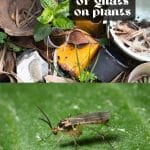
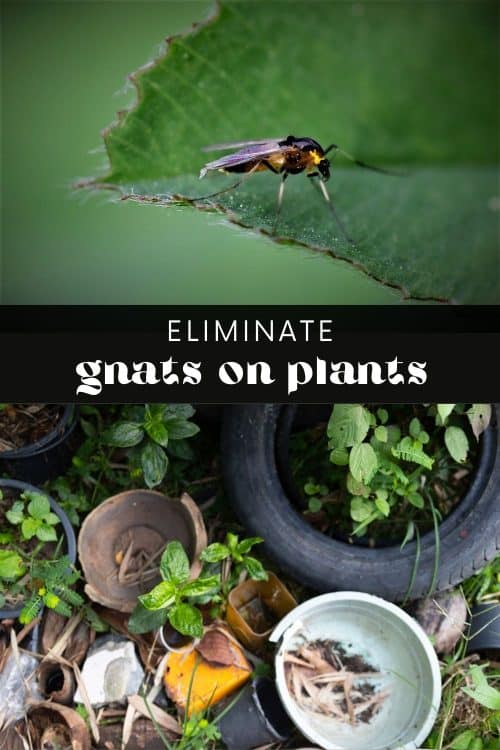
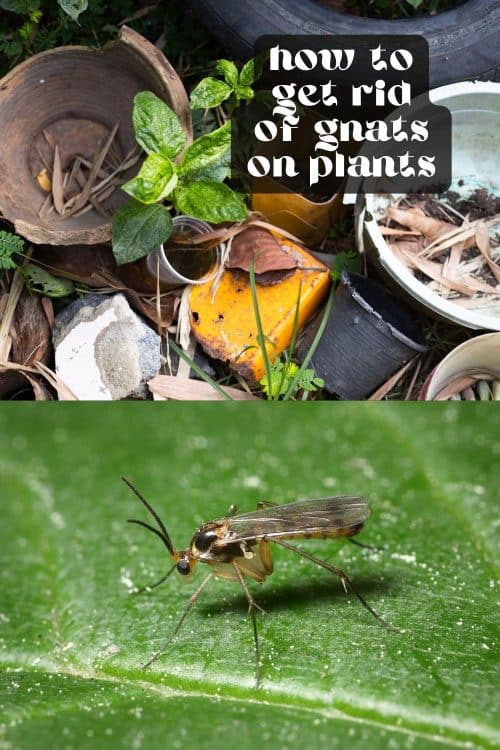
Gnats are also very small but have slender black bodies, long legs, and antennae. They are typically found around houseplants and other moist environments. Fungus gnats look similar to mosquitos but don't bite humans or animals.
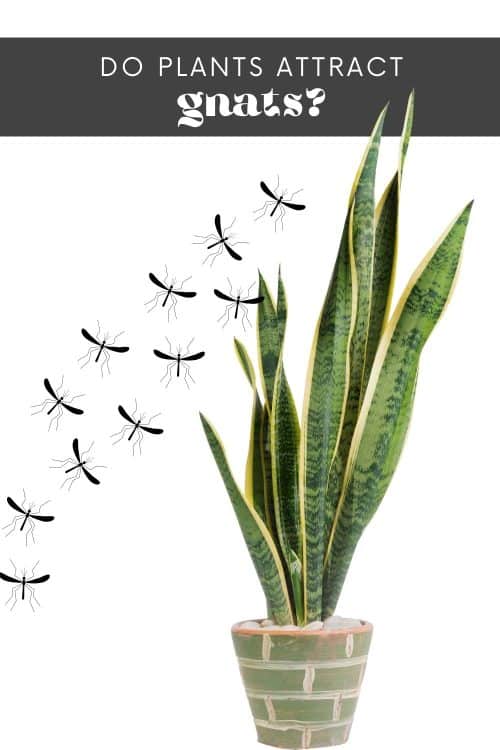
Do Plants Attract Gnats?
Gnats love warm, moist environments – much like the conditions many plants need to thrive.
Unfortunately, plants can be a great breeding ground for gnats and other pests. Gnats lay their eggs in the top of the soil, and the fungus gnat larvae will feed on organic matter found in the soil of your houseplants.
So, yes, plants can attract gnats. Although, specific causes can make a gnat infestation much more likely.
4 Reasons Why Plants Attract Gnats
Plants are a favorite among gnats for several reasons. Here are four of the most common causes of a gnat infestation:
- Overwatering
Overly wet soil can create the ideal environment for gnats to reproduce. If you don't want to risk attracting gnats, be sure to avoid overwatering your plants.
- Organic Matter
Plants are known to attract gnats because of the organic matter in their soil. Organic matter results from organic material, such as compost or leaves, that have decomposed. Gnats lay their eggs in the soil, and the gnat larvae then feed on this organic matter.
- Light and Heat
If your plant is situated near a window or under a UV light, this can make it an attractive destination for gnats. Gnats love light sources, and when paired with wet soil – this can create the perfect environment for gnats to thrive.
- Unsterile Potting Mix
If you've bought a potting mix that is not sterile, there's a chance it can contain eggs or larvae of fungus gnats. Once this potting mix is added to your plants, the gnats will hatch, and soon you'll have a full-blown infestation!
How To Tell If Your Plant Is Attracting Gnats
Certain conditions can make your plant more prone to gnats, but how do you know if they're present?Let's take a look at some tell-tale signs your plant has a fungus gnat infestation:
Tiny Flies Around Your Plant
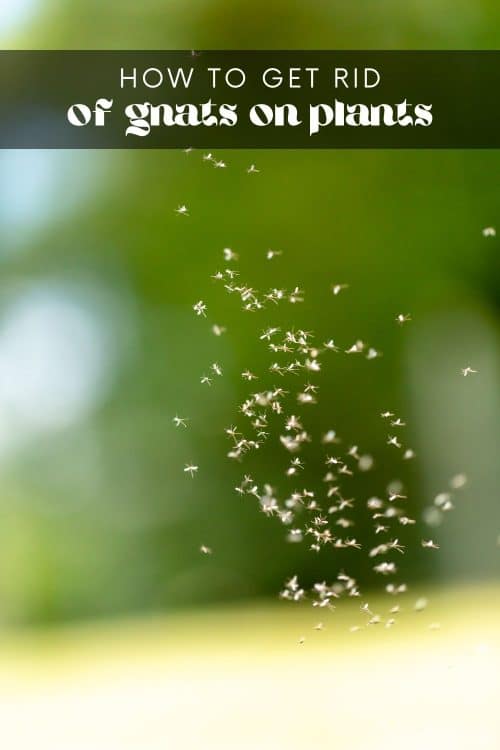
The most obvious sign of a gnat infestation is the presence of small flying insects around your plant. Gnats are not the best fliers and will often stay close to their food and shelter source. As such, if you see these tiny flying bugs near your plant – it's a likely sign of a gnat infestation.
Visible Larvae in the Soil
Gnat larvae are small and hard to spot, but if you look closely – you may see some in your plants' soil. The larvae look like little white worms, similar to maggots but much smaller.
Stunted Plant Growth
Gnat larvae feed on plant roots, which affects the nutrient intake of your plants. If you notice your plant's growth is stunted, or it looks weak, wilted, or has yellowing leaves – it may be gnats.
Of course, these could also be signs of different problems, but when paired with other evidence of gnats, they’re likely the cause.
How to Prevent Gnats From Infesting Your Plants
Prevention is always better than cure, so understanding how to keep gnats away from your plants is essential. Here are some tips for preventing a gnat infestation:
- Don't Overwater Your Plants
The number one cause of gnats is wet soil. Overwatering your plants creates the perfect environment for gnats to breed and lay eggs. Different plants require different amounts of water, which can even alter throughout the season. Always research your plant's needs and check the soil before watering, and if it feels damp – hold off.
- Utilize Proper Drainage
If you know your plants require a lot of water, be sure to use the correct pot and drainage system. A pot with at least one adequate drainage hole is essential. This ensures the water can escape and not sit in the soil.
- Use Sterile Potting Mix
When buying some fresh potting mix, check the label for 'pre-sterilized' or 'sterile.' This means the soil has been treated to kill any pests or larvae that may be present. A sterile potting mix is one of the easiest ways to avoid introducing nasties to your plants.
- Remove Debris and Fallen Leaves
Organic material equals organic matter – a fungus gnat's favorite food! By clearing away any fallen leaves, additional compost, or plant material, you prevent the gnat larvae from having a food source.
- Always Check New Plants
Buying a new plant for your collection is always fun unless it comes with unwanted stowaways. Look for signs of gnats, such as flying bugs or larvae in the soil. If you find anything, isolate the plant and treat it before introducing it to the rest of your greenery.
How to Get Rid of Gnats
If you've already got a fungus gnat problem, it's time to take action. As with any pest problem – the earlier you catch it, the easier it is to treat.
The method you choose to eliminate the gnats depends on the type of plant you're treating. If your plant is edible, you want only to use all-natural remedies. Check out my blog post on how to get rid of gnats on indoor herbs for a complete guide.
With this in mind, here are some tips for getting rid of gnats from your plants:
Change Your Plants' Soil
If you can, change the soil in your plant. This will not only dilute the population of gnats, but it will also reduce the amount of larvae in the soil. You want to carefully remove your plant from the infested soil and disregard any old soil.
Always thoroughly clean the pot before adding the fresh soil and your plant.
Allow the Soil to Dry
If you can’t change the soil of your plant, you can simply allow it to dry. Gnats thrive in moist soil, so dehydrating the earth will make it unsuitable for them to survive. And don't worry about your plant in the dry soil. They are often more resilient than you think!
Use a Spray
You can spray a few different solutions on your plant and its soil to get rid of gnats. Creating a spritz at home can be a quick and easy solution, but you can also buy treatments from your local garden center.
Some homemade solutions include:
- Hydrogen peroxide: Mix four parts water and one part hydrogen peroxide (3%) in a spray bottle. Apply the mixture once a week to the soil surface of your infested plant.
- Dish soap: Combine a few drops of dish soap, apple cider vinegar, and water in a spray bottle. You can spray this onto the soil and leaves of your plant.
Create a Trap
If you want to get a little more hands-on with your pest control, you can always create some gnat traps. The following traps will catch the adult gnats and stop them from continuing to breed:
- Apple cider vinegar trap: Fill a shallow container with some apple cider vinegar and a little dish soap. Cover the container with some plastic wrap and poke some small holes into it – the gnats will be attracted to the vinegar, crawl through the holes in the wrap, and the soap will drown them.
- Potato cubes: Cut a potato into small cubes and place them on the soil of your infested plant. The gnats will be attracted to the starch in the potatoes, and you can simply dispose of the potato pieces in the morning.
- Yellow sticky traps: Purchase some yellow sticky fly traps from your local garden center and place them near the infested plant. The gnats will be attracted to the yellow and get stuck in the trap.
Gnats tend to follow their food source, which is why they are attracted to plants. If left untreated, your gnat infestation will continue to grow. The best thing you can do is take action and use some of the methods outlined above to eliminate them for good!
As we know, fungus gnats like warm and moist conditions. Therefore, they are most attracted to plants that tend to be kept in these types of environments – for example, indoor houseplants. However, this doesn't mean that other plants are safe. Any plant near a moisture or heat source could risk attracting gnats.
Essentially, it's not about the plant but the environment they're in!


Lydia
I'm confused as to how the potato cubes work. Do the gnats stick to them?
Alli
The gnats like potatoes so they land, start eating, and you can throw out the potato.