




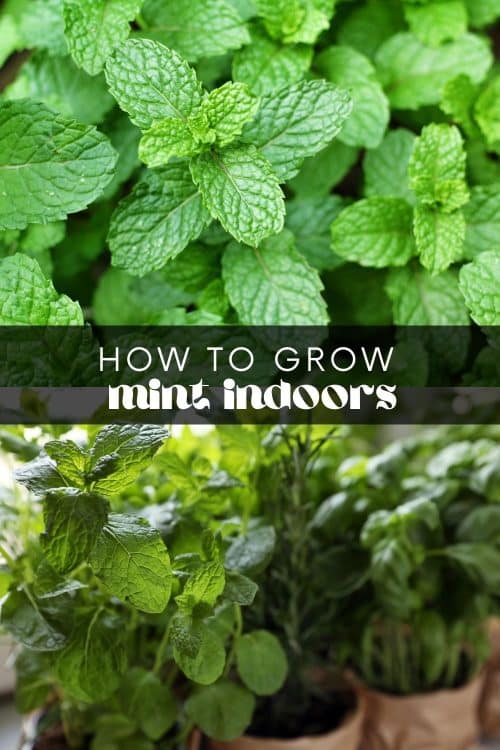
Mint is one of the easiest herbs to grow indoors. It does well in containers and thrives on a sunny windowsill! Growing mint indoors ensures a fresh supply of this fragrant herb year-round – perfect for adding to your cooking, teas, or cocktails.
WANT TO SAVE THIS RECIPE?
Enter your email below and we'll send it straight to your inbox. Plus you’ll get great new recipes from us every week!
If you are new to gardening, mint is a great place to start. It grows quickly and requires minimal maintenance! Let's look at some tips and tricks for growing mint indoors.
Is it Easy to Grow Mint Indoors?
Mint is a resilient herb, making it one of the easiest plants to grow indoors. As long as it has access to sunlight, water, and proper drainage, there's no reason why it won't thrive in your home. In fact, this perennial herb can often do best indoors. There won't be any extreme frost to kill it off during the winter months!
Many gardeners also opt to grow mint indoors to help contain its growth. Mint can spread quickly and take over outdoor gardens, but when grown indoors, it's confined to its container.
Best Types of Mint to Grow Indoors
There are many mint varieties to choose from, each with its own unique flavor and scent. As for indoor plants, you can choose any mint variety you like! Some of the most popular choices for indoor cultivation include peppermint, spearmint, pineapple mint, and chocolate mint.
Have a look at your local garden center and see what varieties they have available. Just avoid planting different types of mint close together. They can alter each other's flavor and may cross-pollinate, producing unpredictable results.
What Is the Best Month to Plant Mint Indoors?
You can grow mint indoors at any time of the year. There isn't necessarily a "best" month to get started. So long as you have the right conditions and proper care, mint can thrive indoors year-round. This means you can have a fresh supply of mint during the winter months when it's growth typically slows in outdoor gardens.
How Long Does Mint Take to Grow Indoors?
The best way to grow mint indoors is by planting cuttings or transplanting a small mint plant. From there, it can take as little as 30 days to see new growth!
What Are the Best Growing Conditions For Mint Indoors?
So long as you have the right conditions and proper care, mint can thrive indoors year-round. Here are some tips to help you get started:
Sunlight
Mint loves bright, indirect sunlight. It will only tolerate a little partial shade indoors. Place your mint plant near a south or east-facing window for maximum sunlight exposure. Around six hours of sunlight per day is fine. Ideally, your kitchen windowsill would be a great spot for growing mint indoors, as you can quickly snip some fresh leaves as you cook!
If you don't have access to much natural light, consider using a grow light.
Soil
A well-draining, nutrient-rich soil is essential for growing mint indoors. A potting soil with coconut coir made for edible plants is a good option! As for the pH, mint prefers a slightly acidic soil, with a pH of 6.0-7.0.
Temperature and Humidity
If your indoor temperature is comfortable for you, then it's probably suitable for your mint plant, too!
Mint thrives in moderate temperatures between 65-75°F (18-24°C). It's essential to keep the temperature consistent for optimal growth. Mints also like humidity, so plant them near other houseplant containers (not other mint varieties) to increase the humidity levels.
Avoid placing your mint near a draft or heat source like a heating vent. The inconsistent temperature isn't good for your plant.

Container
A wide, shallow container is best for growing mint plants. The wider the pot, the more the mint can spread its roots. It should have good drainage, too, as mint can rot if its roots are kept too wet.
That said, mint does well in hanging planters, window boxes, and other containers as long as they offer good drainage. An 8-12 inch wide container would be a good option for your mint plant.
How to Grow Mint Indoors
Mint is best grown from a cutting or transplant rather than from mint seeds. This is because different varieties of mint often cross-pollinate, resulting in plants with unexpected characteristics.
Growing from seeds isn’t impossible, but you're better off purchasing a young plant from a garden center or taking a cutting from an established plant. This way, you’re setting your indoor plant up for success.
Mint can be grown in either soil or water. Soil is the best option for long-term growth, but water can be used to propagate new plants. Let's take a look at how to grow mint both ways:
How to Grow Mint Indoors in Soil
- Choose a healthy young mint plant that is free of pests and diseases.
- Select a container with good drainage, as mentioned above.
- Fill the pot with a well-draining potting mix. Leave some space at the top for watering.
- Gently remove the new mint plant from its current container and loosen the root ball.
- Place the mint plant around 1-2 inches deep in the new pot.
- Fill in the remaining space with soil and gently press it down to secure the plant.
- Water thoroughly until water runs out of the drainage holes.
How to Grow Mint Indoors in Water
While mint won't live long-term in water, it can be used to propagate new plants. You can also keep your plant in the water until it dies if you prefer.
- Take some 4-6 inch stem cuttings from a mature plant. Use sharp scissors or a knife to make a clean cut just below a leaf node.
- Remove any lower leaves from the mint cuttings and place them in a jar or glass with 1-2 inches of water.
- Place the container next to a sunny window, but not in direct sunlight.
- Change the water every few days to keep it fresh and prevent bacteria from forming.
- After 2-3 weeks, you should see roots starting to form at the bottom of the cutting.
- Once the roots are formed, you can transfer the cutting to a pot with soil for long-term growth.
5 Tips to Care for Mint Indoors
Here are 5 tips to help you care for your indoor mint plants:
Keep the Soil Moist
Mint plants prefer consistent moisture, but not waterlogged soil. You don't want the soil to dry out completely between waterings. Check the soil moisture regularly and water accordingly. A balance between dry and not too-soggy soil is key!
Rotate the Plant
When planted indoors, your mint will seek out the sun. Rotate your plants every week or so to ensure all parts of the plant get enough sunlight. If you notice your mint leaning towards the light or becoming leggy, it's a sign that it needs more sun.
Watch Out for Pests
While indoor planting eliminates most pests, there's still the possibility that spider mites and fungus gnats may appear. They love moist soil with lots of organic matter. If you notice signs of fungus gnats, only use safe methods to get rid of gnats from indoor herb plants. Setting traps or using sticky pads is a chemical-free way to control them!
You should also look out for any plant diseases, like powdery mildew. This is usually a sign of poor air circulation and excess humidity. Only treat your mint with herb-safe treatments.
Prune Regularly
Prune your mint plants often to stimulate growth and prevent them from becoming too leggy. Removing the top parts of the plant will encourage it to grow more branches, creating a fuller and bushier plant. Cut above a pair of leaves to promote branching, and use the leaves for cooking or making tea.
Fertilize Sparingly
Indoor mint plants don't really need fertilizer, especially if they're planted in nutrient-rich soil. A light sprinkling of balanced, organic fertilizer once during the growing season is enough. Too much fertilizer can cause your plant to lose flavor.
How to Harvest Mint Indoors
The beauty of having mint growing inside is you can simply pick and use it fresh whenever you need! You don't need to worry about the impending frost or it bolting during the hot summer – so long as the indoor temperature is consistent.
Simply pull or cut off the leaves as needed. You can pick a few leaves at a time or even harvest entire stems to use in recipes. Just avoid taking more than one-third of the plant at a time to ensure it can continue growing.
How to Store Mint
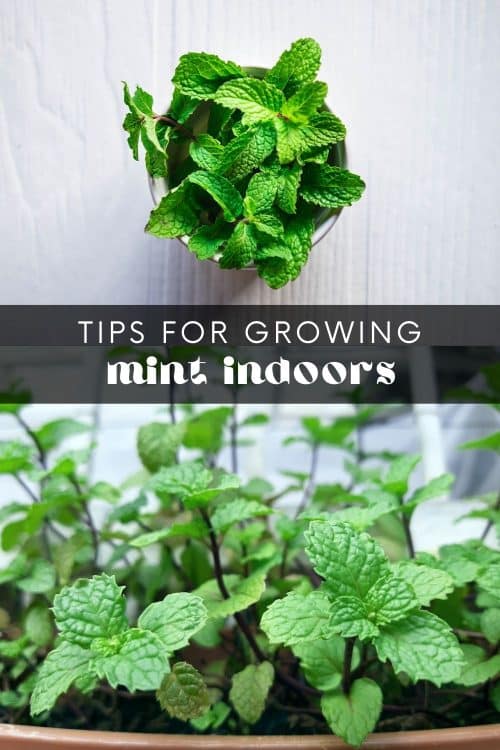
You can store mint in the fridge by wrapping it in a damp paper towel and placing it in an open plastic bag. It'll last for about a week in the fridge. Alternatively, freeze either whole mint leaves or chopped leaves in ice cube trays covered with water for up to 6 months. You can also dry mint leaves by hanging them upside down in a cool, dark place or by using an herb dehydrator!
How to Use Fresh Mint
Now that you have a nice supply of fresh mint, what can you do with it? Here are a few ideas to get your creative juices flowing:
- Add chopped mint leaves to veggies - like my minty peas recipe - for a refreshing twist.
- Infuse water with mint leaves, or make this mint lemonade recipe.
- Mix chopped mint into yogurt or cream cheese for a tasty spread.
- Use mint leaves as a garnish for desserts, such as mint chocolate chip ice cream or fruit salad.
- Make homemade mint tea by steeping fresh leaves in hot water and adding honey to taste.
There are also so many amazing mint chocolate desserts to try! The options are endless when it comes to fresh mint, so don't be afraid to get creative in the kitchen.
Check out these Herb Posts:
- What Herbs Are Toxic to Dogs?
- DIY Kitchen Window Herb Garden Ideas
- Herb Harvest and Preservation
- Herb Garden Ideas
- How to Get Rid of Gnats on Indoor Herbs
- 12 Best Herb Garden Plants
- 8 Best Indoor Herb Plants
- How to Grow Catmint
- How to Grow Cilantro
- How Long Does It Take Basil to Grow?
- How to Grow Mint Outdoors
- How to Grow Citronella Plants
- How to Grow Mint Indoors
- How to Grow Lavender in Containers
- How to Grow Oregano



Leave a Reply