

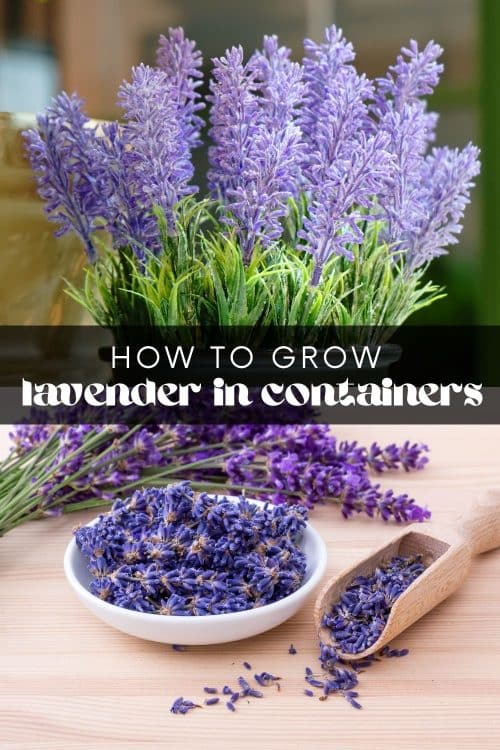
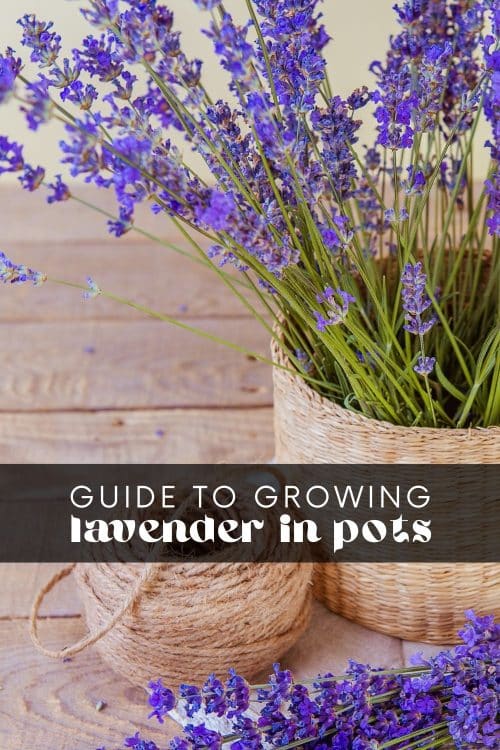
While some plants love to be planted in the ground, others thrive in pots. One such plant is lavender! Known for its calming scent and purple flowers, lavender is the perfect addition to any container garden.
WANT TO SAVE THIS RECIPE?
Enter your email below and we'll send it straight to your inbox. Plus you’ll get great new recipes from us every week!
Lavender (Lavandula) is a hardy, drought-resistant plant native to the Mediterranean. It's a perennial plant, meaning it will come back year after year.
But did you know lavender is also part of the mint family? This means it's actually related to rosemary, sage, and thyme. So not only does it smell great, but you can also cook with it!
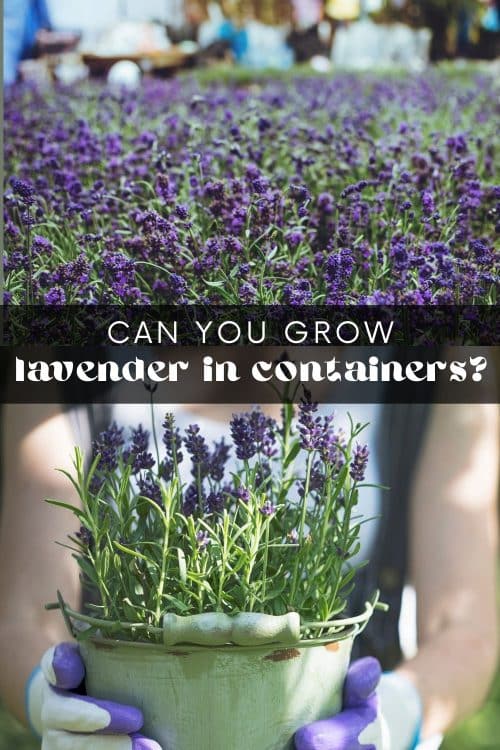
While you can grow lavender directly in the ground, container planting is usually the preferred method. This is because you can completely control the growing conditions, making it easier to grow a healthy plant.
But how do you grow lavender in containers? Here are some tips and tricks to get you started.
What Type of Lavender Grows in Containers?
There are various cultivators of lavender, with some better suited for container growing than others. Some of the most common types of lavender that do well in pots include English Lavender (Lavandula angustifolia), French Lavender (Lavandula dentata), and Spanish Lavender (Lavandula stoechas).
Here are some popular varieties:
- Munstead: A fragrant English lavender that’s perfect for containers. English lavender is cold-hardy and can withstand harsh winters.
- Hidcote: Another English lavender variety that has a compact growth, making it great for pots and garden borders.
- Goodwin Creek: A hybrid French lavender with evergreen foliage and dark purple flowers. It can grow quite tall in the right conditions, so it must be pruned when grown in a container.
- Strawberry Ruffles: A pretty Spanish lavender with pink, ruffled blooms. This variety looks different from traditional lavenders, making it a unique addition to your container herb garden.
There are over 450 different lavender cultivars, but the most common are usually English Lavender varieties. It's less fussy and easier to grow in a pot than some other varieties. However, don't be afraid to experiment and try different types of lavender in your container garden!
How to Choose the Right Container for Lavender
Firstly, you want your chosen container to have good drainage holes. Lavender doesn't like sitting in water, so a pot with proper drainage will ensure the plant's roots don't get saturated.
Clay or terracotta pots are a great choice for lavender. These materials soak up excess moisture and provide good air circulation for the roots. As for the container shape, lavender has deep roots, so a tall pot will allow for better root growth. Opt for a pot that's at least 12 inches deep and wide.
When Should You Plant Lavender?
The best time of year to plant lavender is early spring – around March or April. Once the spring frost has passed and the soil has warmed up, it's safe to transplant your lavender into its new outdoor container home. This will give it enough time to establish its roots before the hot summer months.
Your lavender will be ready for harvest around late summer to fall if planted in the spring.
What Are the Best Growing Conditions for Lavender in Pots?
There's a little more to know than choosing the best container for growing lavender. Here are some tips on how to make sure your lavender thrives in its new container home:
Soil
Lavender is known for thriving in less-than-ideal soil conditions. It loves a well-draining sandy soil, much like the potting soil you'd use for succulents. You can also add in some organic matter, like compost, to give a nutrient boost. As for the soil pH, slightly alkaline soil between 6.5 and 7.5 is ideal.
Sunlight
Potted lavender needs at least 6 hours of direct sunlight per day to grow and bloom successfully. Choose a spot on your balcony or patio that gets plenty of sun or next to a sunny window indoors.
Location
Aside from sunlight, location also matters! This is especially true if you're growing a lavender variety that isn't winter-hardy. If you live somewhere with harsh winters, it's best to move the pot to a sheltered area for overwintering.
Temperature
Different types of lavender can handle different temperature ranges. English lavender can handle cold climates, while French and Spanish lavender prefer warmer climates. A happy medium for all lavender types is between 60-80°F (18-27°C).
How to Grow Lavender in Containers
You can grow your lavender plant from either seeds or cuttings. Cuttings grow to look just like the parent plant and allow you to grow a true cultivar. It's also the best option for beginner gardeners. But don't let that stop you from trying seeds – just know germination can take up to 3 months.
How to Grow Lavender from Seeds
- Start indoors 10-12 weeks before your area's projected last frost date.
- Fill a seed tray with light potting soil.
- Sprinkle over 2-3 seeds per cell and very lightly cover them with a layer of soil. Lavender seeds need light to germinate, so don't bury them too deep.
- Put the seed tray somewhere warm, or use a heat mat. The best temperature for germination is between 60-70°F (15-21°C). There should also be good air circulation and access to full sun.
- Keep the soil moist but not waterlogged.
- Once the seedlings have emerged and have a few leaves, you can transfer them to a larger pot or container.
- Harden off the seedlings before moving the pot outside. This means gradually exposing the plant to outdoor conditions for a few hours daily.
How to Grow Lavender from Cuttings
- Wait until summer when your lavender plant is in full growth.
- Select a healthy, non-flowering side shoot. It should have a good amount of soft, green growth. It should also be at least 3-4 inches long.
- Use a sharp knife or shears to cut the shoot from the parent plant. Some heel (a small strip of older wood) should ideally be left on the cutting.
- Remove all leaves from the bottom half of the cutting.
- Fill a small pot with well-draining potting soil.
- Dip the cut end of the shoot in rooting hormone (optional).
- Make a hole in the soil and plant the cutting.
- Keep the soil moist and place it in a warm, sunny location.
- You'll know when roots have formed when you feel resistance if you gently tug on the cutting.
- Once roots have formed, transplant the cutting to a larger pot.
5 Tips for Growing Lavender in Containers
Once your plants are established, it's important to continue caring for them to ensure they thrive. Here are five tips for growing lavender in containers:
- Water Sparingly
Once your lavender is established, you don't want to over-water it. Lavender is a drought-tolerant plant and prefers dry, well-drained soil. Check the soil moisture level with your finger before watering, and only water when the top inch of soil is dry.
- Provide Adequate Drainage
Add some stones or pebbles to the bottom of your container to improve drainage. Lavender plants do not like sitting in wet soil. It can cause root rot and other diseases.
- Go Easy on the Fertilizer
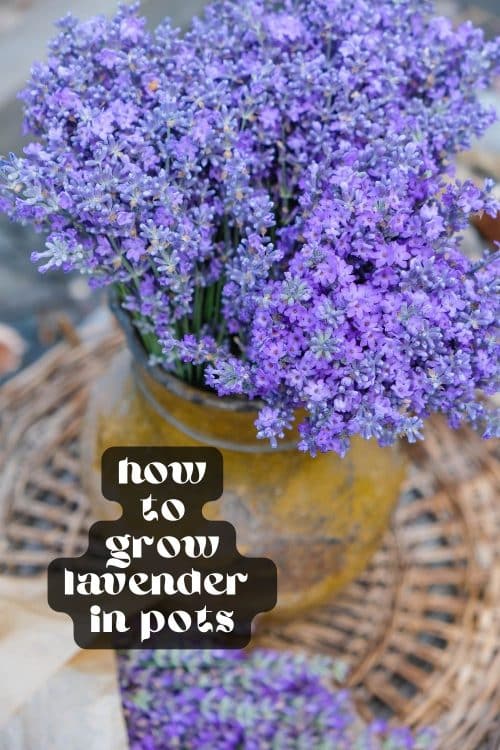
Lavender loves poor soil conditions and doesn't require much fertilizer. In fact, it's believed that over-fertilizing can cause the lavender flowers to be less fragrant!
If you're worried your potted lavender needs some extra nutrients, a light application of organic fertilizer should do the trick. Only use food-safe fertilizers if you want to eat your lavender once harvested.
- Watch Out for Pests
Lavender is generally a hardy plant, but it can still fall victim to pests like aphids. Keep an eye out for any signs of infestation and use natural pest control methods if necessary. Root rot, leaf spot, and powdery mildew are also common issues for potted lavender. Proper drainage and good air circulation can help prevent these problems.
- Prune Occasionally
Pruning is important for keeping your lavender plants healthy and promoting new growth. Once your plant starts blooming, cut back any signs of winter damage. You can also prune your lavender after blooming to keep its shape and encourage more blooms.
Avoid cutting into the woody stems, as this can damage the plant. Instead, focus on trimming the top third of the plant.
How to Harvest Lavender in Pots
For the most fragrant blooms, it's best to harvest lavender before the flowers fully open. This is when the essential oils are at their peak.
So, if you're hoping to use your lavender for cooking or crafting, the earlier in the bloom cycle you can harvest, the better.
Harvest your lavender early in the morning once the dew has dried. Cut the stems just above a leaf node, where two sets of leaves meet. The remaining leaves will then continue growing and produce more blooms.
How to Store and Dry Lavender
The best way to preserve your lavender is to dry it. Once you've harvested your stems, gather them into small bundles and secure them with some string. Hang the bundles upside down in a dry place away from direct sunlight. Once the leaves are completely dry and crumble easily, remove them from the stems and store them in an airtight container.
You can also use a herb dehydrator to dry your lavender. This is a much quicker method and ensures your lavender dries fully. Just be sure to dehydrate at a low temperature in a dehydrator suited for herbs.
How to Use Dried Lavender
From culinary use to crafting, there are countless ways to use dried lavender. Here are just a few ideas:
- Make potpourri to freshen up your home.
- Use in homemade skincare products like bath salts, soaps, and scrubs.
- Create lavender sachets for your drawers and closets to keep clothes smelling fresh.
- Add dried lavender to baked goods for a unique flavor twist - my lavender shortbread cookies and orange scones with lavender are so good!
- Make infused oils and vinegar for cooking and dressings.
- Infuse hot water with dried lavender for a relaxing tea.
No matter how you use your homegrown lavender, you can enjoy the calming and soothing properties of this versatile herb. And with the proper care, you can enjoy more blooms and harvests for years to come!
You can repot your lavender plant every 2-3 years as needed. Only repot during the early spring or fall when the plant is not in its active growing stage. Be sure to use well-draining soil and a pot slightly larger than the current one.
To help germination, some gardeners recommend stratifying lavender seeds by placing them in the refrigerator for a few weeks before planting. This mimics the natural cold period lavender seeds experience in winter and can help increase germination rates. However, it's not a requirement, and you can still have success without cold stratification.
Check out these Herb Posts:
- What Herbs Are Toxic to Dogs?
- DIY Kitchen Window Herb Garden Ideas
- Herb Harvest and Preservation
- Herb Garden Ideas
- How to Get Rid of Gnats on Indoor Herbs
- 12 Best Herb Garden Plants
- 8 Best Indoor Herb Plants
- How to Grow Catmint
- How to Grow Cilantro
- How Long Does It Take Basil to Grow?
- How to Grow Mint Outdoors
- How to Grow Citronella Plants
- How to Grow Mint Indoors
- How to Grow Lavender in Containers
- How to Grow Oregano


Leave a Reply