
If you love a little spice, then growing jalapenos in your garden is a must! These delicious peppers are easy to grow in the right conditions and are a great addition to any dish. So don't waste any more money buying them at the store. Grow jalapenos yourself and enjoy them fresh from your own garden!
WANT TO SAVE THIS RECIPE?
Enter your email below and we'll send it straight to your inbox. Plus you’ll get great new recipes from us every week!
Jalapeno peppers (Capsicum annuum 'Jalapeño) are members of the nightshade family, which also includes tomatoes, potatoes, and cayenne peppers. They are perennial plants but are commonly grown as annuals. They are native to Mexico and are named after the city of Xalapa, which is located in Veracruz, Mexico.
But how do you grow jalapenos? Let's take a look.
Different Types of Jalapenos
You'll be spoilt for choice when it comes to jalapenos. There are many varieties, with some being milder in heat than others. Some of the most popular varieties include:
- Early Jalapeno: This is one of the most popular types, known for its early harvest time and medium spice level. Early jalapeno pepper plants are best for those living in a cooler climate.
- Tam Jalapeno: This variety has a slightly lower heat level than other jalapenos. It is one of the more common varieties to grow.
- Mucho Nacho Jalapenos: This variety is perfect for those who love a little kick of spice! It has a low heat level and is great for making salsa.
- Jalafuego Jalaepnos: If you prefer very hot peppers, then this variety is for you! It has a high heat level and produces large yields.
It's important to note jalapenos aren’t safe for dogs and cats. So, if you have pets, keep your jalapeno plants out of reach.
How Spicy Are Jalapenos?
The spiciness of food is measured using the Scoville Scale. The higher the number, the hotter the food.
Jalapenos typically have a heat level of 2,500 to 8,000 Scoville units, depending on the type. To put this into perspective, bell peppers have a heat level of 0, while habanero peppers can reach up to 350,000 Scoville heat units!
When Is the Best Time to Plant Jalapenos?
Jalapenos do not tolerate frost at all. The best time to plant them is during the spring when the temperature has warmed up and the last frost has passed. But this can vary depending on where you live. The garden soil temperatures should be 65°F (18°C) minimum during the night. The warmer the weather, the faster they will grow.
You can also start jalapeno seeds indoors and transplant them outside once the weather has warmed up.
How Long Do Jalapenos Take to Grow?
This really depends on the conditions and the variety of jalapenos you are growing. Generally, most jalapeno varieties take about 70-80 days from planting to harvest. However, some early varieties can be ready in as little as 60 days!
What Are the Best Growing Conditions for Jalapenos?
Jalapenos require specific growing conditions to produce a successful harvest. Once they have this, jalapeño plants are actually quite easy to grow! Here are some factors to keep in mind:
Location
Most gardeners choose to grow jalapenos in pots, as you can move them around to find the best location. This method is also advised for those living in cooler climates.
However, you can transplant jalapenos directly into the ground if you live somewhere with long, hot summers. Make sure your plants have plenty of space to grow and don't become overcrowded.
Soil
Jalapenos need a well-draining, moist soil. They do not like to be waterlogged but also don't like to dry out completely. A pH level between 5.8-7.0 is ideal, as they prefer slightly acidic soil conditions.
Sunlight
Jalapenos need a lot of sunlight in order to thrive. They should receive at least 6-8 hours of full sun daily. The plants may become leggy and produce fewer fruits if they don't get enough sun. Some shade may be tolerated in hotter climates, but keep an eye on the fruit production. A grow light will help in places with limited natural sunlight.
Temperature and Humidity
You should only plant your jalapenos into the ground once the soil nighttime temperatures reach 65°F (18°C). The best daytime temperature for them is between 65-85°F (18-29°C). Jalapenos prefer a moderate humidity around 50-70%.
Extreme temperatures (too hot or cold) can cause the plants to stop producing fruit. This is why container gardening is so popular for jalapeno plants, as you can move them indoors during extreme weather conditions.
Container
If you decide to plant your jalapenos in a container, use one with at least 12 inches of depth and width. It should also have drainage holes to prevent waterlogging. Use a well-draining potting mix with some added organic matter for nutrients.
How to Grow Jalapenos
Getting jalapeno seeds to germinate outdoors can be challenging, so starting them indoors is best. Unless you live in a warm climate with a long growing season, indoor planting gives your jalapenos a head start and increases the chance of success. You should start the seeds 8-10 weeks before your last frost date.
How to Grow Jalapenos From Seeds Indoors
- Fill some seed trays or small containers with potting mix and lightly moisten it.
- Plant 2-3 seeds per pot, about ¼ inch deep.
- Place the tray or pots in a warm spot with indirect sunlight.
- Consider using a heating pad if your growing environment is too cool.
- Once the jalapeno seedlings emerge and have 2-3 sets of leaves, thin out the young plants to one plant per pot.
- When each jalapeño pepper plant reaches 6 inches tall, harden them off by gradually exposing them to outdoor temperatures and sunlight.
- Transplant them outside into their final location after the last frost date. This can either be a larger pot or into the ground. Space each plant around 14 inches apart.
How to Care For Jalapeno Plants
Once your seedlings have been transplanted outdoors, caring for them properly is essential. Here are some jalapeno plant care tips:
Watering
Jalapenos need lots of water to thrive. Water them as soon as the top inch of soil feels dry. Water deeply and avoid getting the foliage wet to prevent diseases. If your plant is potted, keep in mind that pots dry out faster, so check the soil moisture more frequently. A soil moisture meter can help.
Pest Control
Pests love jalapeño pepper plants, so watch for common pests like aphids and spider mites. If you notice any infestations or wilting leaves, use organic pest control methods to get rid of them. Don't forget to check under the leaves, as that's where many pests hide.
Mulch
Mulching around the base of the plant can help retain moisture, suppress weeds, and regulate soil temperature.
Weeding
Always keep the area around your jalapenos free from weeds. Weeds compete for nutrients and water and can also attract pests.
Fertilizer
Jalapeno plants are heavy feeders. Organic matter like compost can help provide a steady supply of nutrients. You can also use an organic fertilizer specifically designed for edible plants throughout the growing season.
How to Harvest Jalapenos
Unlike many other fruits and vegetables, jalapenos are harvested before they are fully ripe. You'll know they are ready to be picked when they are around 4 inches long and dark green (depending on the variety). If left to ripen further, they can turn shades of red, orange, or yellow. Jalapenos are also more spicy when left to ripen fully, so if you prefer a milder taste, pick them earlier.
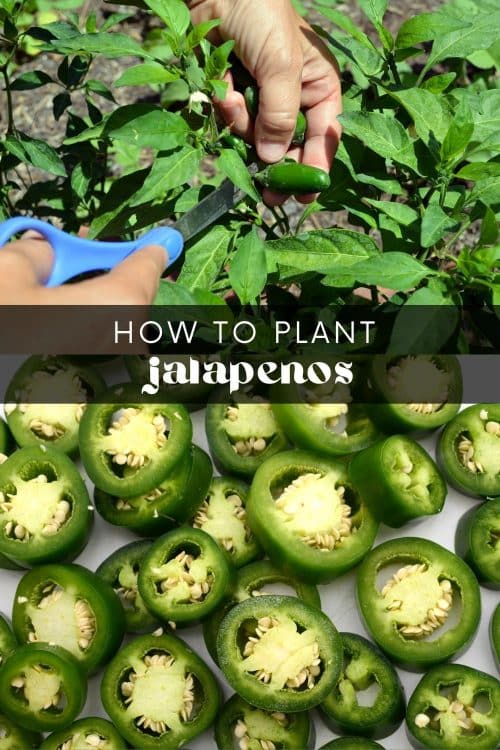
To harvest jalapenos, simply cut the stem right above the pepper. Avoid pulling or twisting, as this can damage the plant.
How to Store Jalapenos
If you're not ready to use your jalapenos right away, here are a few ways to safely store them:
Storing Jalapenos in the Refrigerator
Place unwashed jalapenos in a paper bag and store them in the crisper drawer of your refrigerator. They should last for up to 2 weeks.
Freezing Jalapenos
Jalapenos can also be frozen whole or sliced. If you plan to use them in soups, stews, or sauces, it's best to slice them before freezing.
Wash and dry the jalapenos, then slice them to size. Place them in a single layer on a baking sheet and freeze for 1-2 hours. Once frozen, transfer the slices to an airtight container or freezer bag and store them in the freezer for up to 6 months.
Pickling Jalapenos
Pickling is another great way to store jalapenos for a longer period of time. Simply slice the jalapenos and pack them into a jar with some vinegar, sugar, and spices. Seal the jar and store it in the fridge for up to a year.
Drying Jalapenos
You can air dry, oven dry, or use a dehydrator to preserve your jalapenos. Once dried, store them in an airtight container for up to a year.
How to Use Jalapenos
Jalapenos can be eaten raw or cooked. There are so many delicious ways to use them in your cooking, from sides to main dishes!
Here are some recipes to add your jalapenos to:
- Jalapeno burger
- Cranberry jalapeno sauce
- Taco casserole
- Beef enchiladas
- Deep fried tacos
- Dutch oven chili
- Sheet pan steak fajitas
You can also add jalapenos to your favorite salsa recipe or chop them up and mix them into guacamole. They’re also yummy when added to salads and sandwiches. Basically, anytime you want to add a little heat to a meal, reach for the jalapenos!
While jalapenos are perennials, they are typically grown as annuals and need to be replanted each year. However, they can sometimes overwinter in warmer climates and produce fruit for a few years.
Yes, with the right growing conditions, jalapeño peppers can be super easy to grow!
There are mixed opinions on this topic. Some claim the two plants complement each other, while others say they would only share pests and diseases (as they are from the same botanical family). However, you can grow them together if you take precautions, such as providing enough space between the plants and monitoring for any signs of disease.


Leave a Reply