
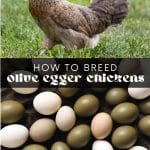

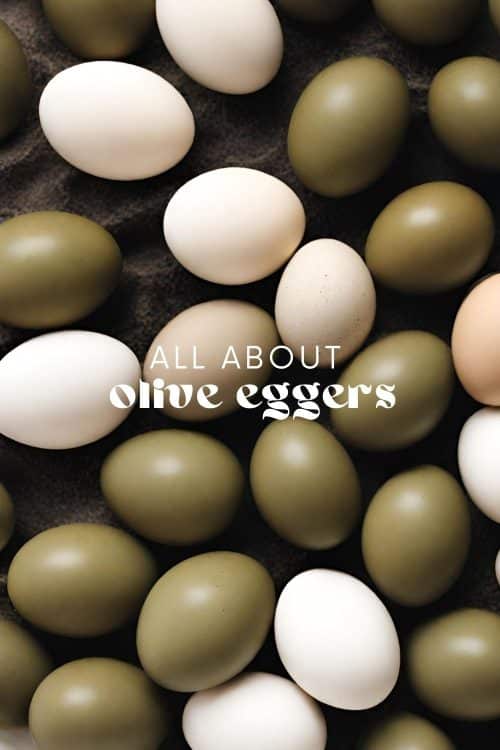
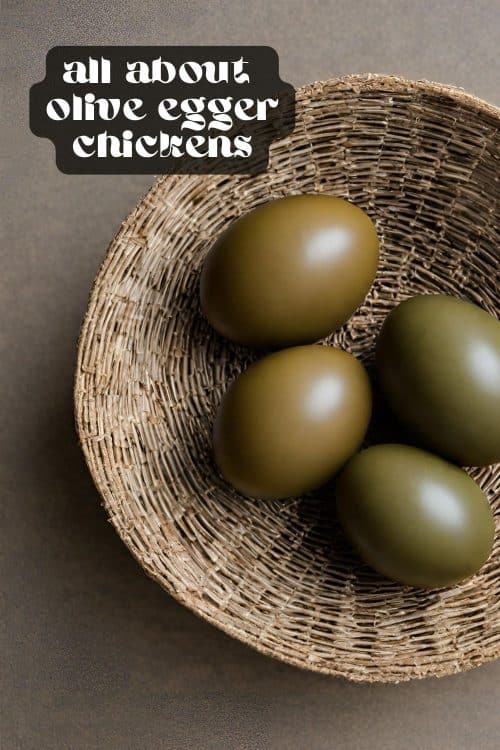
An Olive Egger Chicken is a hybrid breed known for its unique and colorful egg production. These chickens are not a pure breed but are instead the result of crossbreeding between specific chicken breeds to produce eggs with olive-green or khaki-colored shells.
WANT TO SAVE THIS RECIPE?
Enter your email below and we'll send it straight to your inbox. Plus you’ll get great new recipes from us every week!
What Are Olive Egger Chickens?
Olive Egger chickens are primarily bred for their egg-laying capabilities and distinctive egg color rather than specific appearance or meat production.
These chickens can have a wide range of feather colors and patterns because they are not bred for a consistent appearance like some pure breeds.
They often have a medium-sized body with feathers that can include variations of brown, black, and white. The exact appearance of an Olive Egger can vary significantly from one bird to another.
How to Breed an Olive Egger Chicken
There are several common breed combinations used to create Olive Egger chicks, but the key is to breed a chicken that lays dark brown eggs with one that lays blue or green eggs. The most popular breed combinations include:
- Marans (dark brown egg layer) x Ameraucana or Araucana (blue/green egg layer): This is one of the most common combinations for creating Olive Egger chicks. Marans chickens are known for their dark chocolate-brown eggs, while Ameraucana or Araucana chickens lay blue or green eggs. Crossbreeding them results in Olive Egger chickens that typically lay olive-colored eggs.
- Welsummer (dark brown egg layer) x Ameraucana or Araucana: Similar to the Marans cross, Welsummer chickens lay dark brown eggs, and when crossed with Ameraucanas or Araucanas, you can produce Olive Eggers with olive-colored eggs.
- Barnevelder (dark brown egg layer) x Ameraucana or Araucana: Barnevelders are another breed known for their dark brown eggs. Crossbreeding them with blue or green egg layers can yield Olive Eggers with olive-colored eggs.
- Penedesenca (dark brown egg layer) x Ameraucana or Araucana: Penedesencas are Spanish chickens that lay very dark brown eggs. When crossed with Ameraucanas or Araucanas, they can produce Olive Egger offspring with olive-green eggshells.
- Black Copper Marans (dark brown egg layer with copper feathers) x Ameraucana or Araucana: This specific cross can result in Olive Eggers with darker olive-colored eggs due to the influence of the Black Copper Marans breed's genetics.
It's important to note that the appearance and egg color of Olive Eggers may vary within the offspring, depending on the genetics of the parent birds involved in the crossbreeding.
The goal is to create birds that lay eggs with olive-colored shells, but the exact shade can differ from bird to bird.
Sapphire Olive Egger Chicken
A Sapphire Olive Egger is a specific type of Olive Egger chicken that is bred to produce a particular shade of olive-colored eggs.
To create Sapphire Olive Eggers, breeders typically use a specific combination of chicken breeds that results in hens laying eggs with a distinctive deep or dark olive-green hue.
The exact breeding combination to produce Sapphire Olive Eggers may vary among different breeders.
However, it often involves crossing a dark brown egg-laying breed, such as a Marans or Welsummer, with a blue egg-laying breed, such as an Ameraucana or Araucana. The key is to select parent birds with genetics that produce the desired dark olive-green egg color in their offspring.
Sapphire Olive Eggers are valued for their unique and beautiful eggshell color, which can resemble the shade of a precious gemstone like a sapphire.
The term "Sapphire" is often used to differentiate these Olive Eggers from others with lighter or less intense olive eggshell colors.
It's important to note that while Sapphire Olive Eggers are known for their egg color, their appearance and other characteristics can vary depending on the specific breeds used in their lineage.
Breeders may continue to refine their breeding programs to achieve consistent eggshell color and desirable traits in these chickens.
Olive Egger Chicks
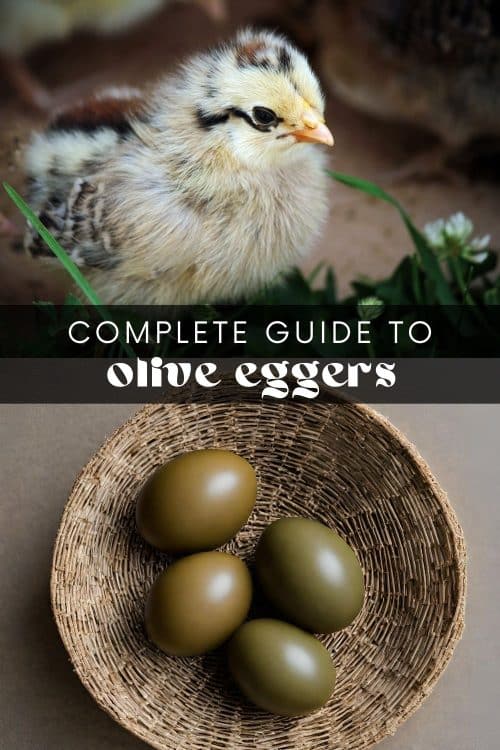
Olive Egger chicks can exhibit a wide range of appearances because they are the offspring of different breed combinations, and their appearance is not standardized like purebred chickens.
The appearance of Olive Egger chicks will depend on the specific breeds used in their parentage. However, there are some general characteristics and variations you might observe in Olive Egger chicks:
- Down Color: Olive Egger chicks usually have soft, fluffy down feathers when they hatch. The color of their down can vary widely. Some may be yellow, while others can be brown, black, or a combination of these colors. The down color often reflects the genetics of their parent breeds.
- Leg Color: The color of their legs can vary as well. Olive Egger chicks may have yellow, greenish, or grayish legs, depending on the parent breeds.
- Feather Patterns: Since Olive Eggers are typically created by crossing chickens with different feather patterns and colors, the chicks may inherit a variety of feather patterns. Some may have solid colors, while others may have speckled or mottled feathers.
- Comb Type: The type of comb (the fleshy crest on the top of their heads) can also differ. Chicks may have single combs, pea combs, or other variations depending on the breeds in their lineage.
- Beak Color: The color of their beaks may vary, but it is often yellow or yellowish-orange.
- Eye Color: Chicks usually have dark eyes, regardless of their breed mix.
- Gender Differences: Determining the gender of Olive Egger chicks is usually not possible until they are a few weeks old. As they grow, males may develop larger combs and wattles than females, and their behavior may also differ.
Olive Egger chickens are popular among backyard poultry keepers and hobbyists due to their unique egg color and relatively good egg production.
Keep in mind that while they are known for their distinctive eggs, their temperament and care requirements can vary, so it's essential to provide them with proper housing, nutrition, and care, just like any other chicken breed.
What to Feed Olive Egger Chickens
Feeding Olive Egger chickens is similar to feeding other chicken breeds, their nutritional requirements will be based on their age, production level, breeding status, and any environmental factors.
Here are some general guidelines for what to feed Olive Egger chickens:
- Starter Feed (Chicks):
- For the first 4-6 weeks, feed Olive Egger chicks a high-quality chick starter feed with around 18-20% protein.
- Ensure they have access to clean, fresh water at all times.
- Grower Feed (Young Chickens):
- After the initial chick stage, switch to a grower feed with slightly lower protein content, around 15-18% protein.
- Continue to provide unlimited access to water.
- Layer Feed for Egg-Laying Hens:
- Once your Olive Egger hens start laying eggs, usually around 18-20 weeks of age, transition them to a layer feed formulated with approximately 16-18% protein.
- Layer feeds typically contain higher calcium levels to support eggshell development.
- Ensure they have access to crushed oyster shells or a separate calcium source to help maintain strong eggshells.
- Supplementary Grains and Vegetables:
- In addition to their main feed, you can offer Olive Egger chickens supplemental grains and vegetables. Some suitable options include corn, wheat, oats, and leafy greens.
- Scratch grains can be given as a treat in moderation but should not make up more than 10% of their diet, as they are lower in protein and essential nutrients.
- Insects and Protein Sources:
- Chickens are omnivores, and they can benefit from protein sources like insects, mealworms, and kitchen scraps. These provide additional nutrients and can be particularly helpful during the molting season.
- Insects and protein sources can also be a valuable treat to encourage healthy foraging behavior.
- Grit:
- Provide access to poultry grit or small stones, especially if your Olive Egger chickens are free-ranging. Grit helps with digestion by aiding in the breakdown of grains and other foods in the gizzard.
- Fresh Water:
- Always ensure that your Olive Egger chickens have access to clean and fresh water. Proper hydration is essential for their health and egg production.
Olive Egger Chicken FAQs
Olive egger hens typically begin laying between 18-22 weeks of age, similar to most chicken breeds. The exact timing depends on factors like nutrition, daylight hours, breed genetics, and individual development.
No, olive egger eggs taste the same as eggs from other chickens. The shell color doesn't affect the flavor, nutritional content, or cooking properties of the egg inside.
Most olive egger hens lay 200-280 eggs per year, which translates to about 4-5 eggs per week during peak production. This can vary based on the parent breeds used in their creation and individual hen characteristics.
Most olive egger hens will lay olive-colored eggs, but the shade can vary significantly from light sage green to deep olive or even brownish-green. Some hens may occasionally lay eggs that are more brown or green than olive, especially when they first start laying or during stressful periods.
Final Thoughts
Olive egger chickens offer the perfect blend of reliable egg production, stunning colorful eggs, and hardy temperaments that make them ideal for both beginners and experienced chicken keepers.
Whether you are seeking unique eggs for your breakfast table or low-maintenance birds for your backyard flock, these adaptable hybrids deliver consistent performance with their friendly nature.
If you are ready to add something extraordinary to your coop while enjoying a rewarding chicken-keeping experience, olive eggers are an excellent choice for any poultry enthusiast.
More Favorites From Longbourn Farm
-

Small Chicken Coop Ideas
-
Chicken Grit
-
How to Stop Broody Hens
-
Hatching Chicken Eggs With An Egg Incubator


Did you find this info helpful? If so, please share it on Instagram, Facebook, or Pinterest!


Leave a Reply