
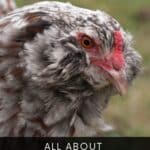
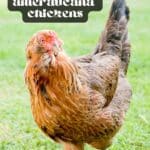
Collecting beautiful blue eggs never gets old, and Ameraucana Chickens give this excitement consistently year-round. Known for their friendly temperament and distinctive appearance, these medium-sized layers are ideal for both new and experienced chicken keepers!
WANT TO SAVE THIS RECIPE?
Enter your email below and we'll send it straight to your inbox. Plus you’ll get great new recipes from us every week!
What are Ameraucana Chickens?
Americana chickens are an interesting breed, given that they aren't really a breed at all. They're a hybrid, mixed chicken known for their uniquely colored eggs - also known as Easter Eggers.
Americana chickens aren't officially recognized by the American Poultry Association (APA), but they're said to be one of the most popular backyard chickens in the United States!
Americana chicks are a cross between two chicken breeds, typically an Araucana or Ameraucana, and another breed. Both Araucana and Ameraucana chickens lay blue eggs, so the offspring of this crossbreed will also lay blue/green eggs. This is what makes Americanas, or Easter Eggers, so unique and sought after by chicken owners.
Other than Americana or Easter Eggers, you'll also hear them be called Americano, Americauna, and Americanauna chickens, which can get a bit confusing. They all refer to the same type of chicken, just with slightly different spelling variations.
However, one name that's often used interchangeably with Americana is the Ameraucana chicken. The Ameraucana breed is a recognized breed developed in the 1970s but has very similar characteristics to the Americana, which means they're often put into the same category.
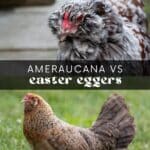
Americana vs Ameraucana Chickens
Americana vs Ameraucana Chickens The APA recognizes Ameraucana chickens as a breed with a specific breed standard, while Americana chickens aren't. Ameraucanas also have specific characteristics, such as their color specifications.
On the other hand, Americanas can have varying appearances since they're a hybrid of different breeds.
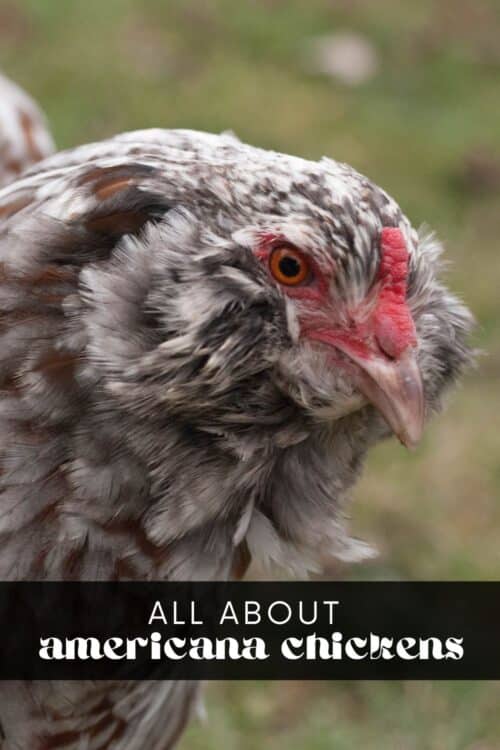
What they do have in common is what makes them stand out in a flock - their colorful eggs! Both Americanas and Ameraucanas feature small combs and puffy cheek feathers, and have a friendly, docile temperament.
Even though the naming and heritage can get confusing, Americana and Ameraucana chickens make great backyard chickens for beginners or families with children.
Physical Characteristics and Appearance
Adult Ameraucana Features
Ameraucanas are beautiful birds with a red pea comb and small, red earlobes. Their faces always have a beard and muffs, which can come in various shades, including black, blue, and white.
They also have a U-shaped body (upright neck and tail) and are a smaller chicken breed, weighing around 5.5-6.5 pounds for the large fowl and 1.7-1.9 pounds for the bantam size.
Ameraucana Chick Appearance
As for Ameraucana chicks, they have a fuzzy appearance and can have light or gray-colored legs. Their chick down (feathers) can often give a good indication of what color their adult feathers will be.
Americana Color Varieties
Between the APA and the American Bantam Association (ABA), there are ten recognized color variations for Ameraucana chickens, offering poultry enthusiasts a variety of colors to choose from.
Ameraucana Chicken Color Chart
| Black | Consistent black feathers | Slate or black legs |
| Blue | Blue/gray feathers with black tips | Slate or black legs |
| Blue wheaten | Mostly white, with brown/wheaten feathers on the tail, wings, and head | Slate legs |
| Brown red | Dark brown, rust-colored feathers | Slate or black legs |
| Buff | Consistent golden/tan feathers | Light gray legs |
| Self-blue (also known as Lavender) | Consistent blue/gray feathers | Slate or black legs |
| Silver | Light and dark gray feathers | Slate or black legs |
| Wheaten | Tan/wheat colored with darker tail, head, and wing feathers | Slate legs |
| White | Consistent white feathers | Light gray legs |
| Splash | White/muted gray feathers, with black/blue speckles | Light gray legs |
Americana Rooster
The Americana rooster is larger than the hen, with an upright, robust body and long tail feathers. As Americanas are hybrids, the color variations of the rooster can depend on the specific crossbreed.
Both Americana and Ameraucana roosters can be good protectors of their flock, and I've not met one yet that I would consider mean or aggressive.
However, like any bird, there can be exceptions to this. It all depends on their individual personalities and how they're raised.
Ameraucana Chickens Temperament and Behavior
Ameraucanas are a friendly, active, and docile breed. They generally do well with other breeds in a mixed flock and even with children if socialized properly! They prefer free-ranging but can adapt to confinement with a spacious coop and run.
These birds are excellent foragers, so they will happily spend time scratching around in the yard looking for bugs and treats. In fact, they're known as great foragers among backyard flocks.
They can be a little flighty and skittish. You can try to avoid this by handling them often and getting them used to human interaction from a young age. The same goes for Americana chicks, as they're very similar breeds.
Pros and Cons of Raising Ameraucana Chickens
If you're thinking about adding Americana or Ameraucana chickens to your flock, here are some pros and cons to consider:
Pros:
- They lay beautiful blue/green eggs
- They have unique plumage patterns and colors
- They're friendly and docile
- Great chickens for families
- Good foragers
- Decent layers
- Can tolerate hot and cold weather well
Cons:
- Can be a bit flighty
- Need space to roam and forage
- Can be prone to cross-beak
- Not ideal for meat production
Ameraucana Chicken Eggs
Ameraucanas tend to take a little longer to mature and start laying eggs than other breeds. On average, they start laying around 6-7 months of age.
You can expect around 4 eggs per week, and they lay consistently throughout the year. 150-200 medium to large eggs per year are common with Ameraucanas.
Ameraucana Chicken Egg Color
This has to be the number one reason people are drawn to Ameraucana chickens - their stunning blue eggs! This is due to the breed's genetics, as they carry a gene that causes them to produce eggs with a blue tint.
The shade of blue can vary from bird to bird, with some producing eggs with a greenish hue, but they're undeniably unique and eye-catching!
Ameraucana vs Easter Egger
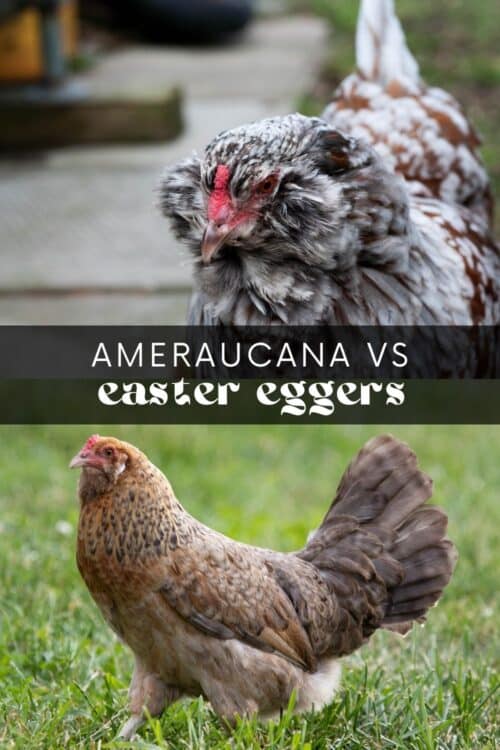
Here's where Ameraucanas and Easter Eggers can start to differ. Ameraucana eggs are blue, while Easter Eggers can lay various colors - blue, green, brown, pink, etc. Each Easter Egger will only ever lay one egg color for their whole life, but that color can vary between birds.
Aside from Americanas, which lay blue/green eggs like Ameraucanas, another notable Easter Egger is the Olive Egger - a hybrid between a blue egg layer and a dark brown egg layer, resulting in olive-colored eggs.
Getting Started with Ameraucana Chicks
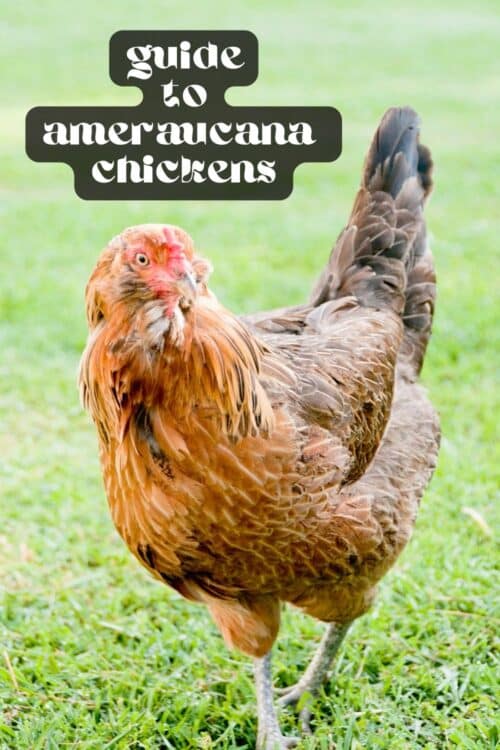
Thinking of adding some Americana chicks to your flock? Here are some tips to keep in mind:
- Give them plenty of space: These chickens need room to roam and exercise, so make sure they have plenty of space to do so. Let them free-range if possible, or ensure they have ample space in their coop and run.
- Check for lice often: Any chicken with beards and muffs is more prone to lice/mite infestations. Give them regular check-ups and treat them as needed. A mite-repellent spray can also be helpful.
- Provide plenty of fresh water: Make sure they have access to clean, fresh water at all times. For adult Americanas, you can use a slightly raised waterer to help keep their beards and muffs dry.
- Consider what other breeds you own: If you plan on adding Americanas to your existing flock, consider the temperament and size of your other birds. These chickens do well with other docile, friendly breeds.
- Look out for cross-beak: This is when the top and bottom of a chicken's beak don't align properly, making it difficult for them to eat. Keep an eye out for this in young Americana chicks - they'll need special care and attention.
- Provide quality feed: Even though they'll forage for some of their food, always supplement this with high-quality feed.
- Give a safe place to rest: As with every breed, a safe place to rest and roost is important. Line the coop with soft, absorbent bedding and clean it out regularly.
Ameraucana Chickens Through the Seasons
Cold Weather Hardiness
Ameraucanas handle winter beautifully! Their fluffy beards and small pea combs protect against frostbite, and they'll keep laying through mild winters. Provide draft-free shelter, unfrozen water, and deep bedding - they'll do the rest.
Heat Tolerance
These birds adapt well to heat but appreciate extra support. Offer plenty of shade, cool water for drinking and wading, and frozen treats on hot days. Their medium size helps with heat regulation, though those beards need monitoring for moisture buildup.
Seasonal Care Adjustments
Spring: Peak laying season (4-5 eggs weekly). Boost protein slightly and watch for respiratory issues during temperature swings.
Summer: Production may dip during extreme heat. Focus on hydration and early morning free-ranging during cooler hours.
Fall: Molting time! Increase protein to 18-20% to support feather regrowth. Egg production naturally slows as daylight decreases.
Winter: Expect sporadic laying with gorgeous blue eggs. Add higher-calorie treats like scratch grains to maintain body condition.
Year-Round: Check those beards and muffs weekly for debris and mites, regardless of season!
Common Health Issues
Beyond Cross-Beak and Lice
Respiratory Issues: Fluffy facial feathers can trap moisture, leading to infections. Watch for wheezing or nasal discharge.
Bumblefoot: Active foragers can develop foot pad infections from rough landing surfaces. Look for swelling or limping.
Egg Binding: Rare but serious - hens strain to pass an egg. First-time layers are most susceptible.
Mites: Beyond lice, various mites love hiding in those beards. Regular checks are your best defense.
Prevention Strategies
- Monthly deep cleans of the coop prevent most issues
- Weekly bird checks catch problems early (I do mine every Saturday)
- Quality layer feed plus oyster shells support strong immune systems
- Keep bedding dry - good ventilation is non-negotiable
- Quarantine new birds for 2-3 weeks before flock introduction
When to Call a Vet
Emergency - Call immediately:
- Labored breathing or gasping
- Blood in droppings
- Inability to stand or sudden lethargy
- Egg binding lasting 2+ hours
Schedule soon:
- Persistent limping
- Gradual weight loss
- Unusual lumps or chronic coughing
Pro Tip: Find an avian vet before you need one - not all vets treat chickens! Save their number in your phone now.
Most health issues are preventable with good care, but trust your instincts when something feels off. You know your birds best!
Where to Buy Ameraucana Chickens
Reputable Hatcheries
Top National Hatcheries:
- McMurray Hatchery - Best for true Ameraucanas with verified bloodlines
- Cackle Hatchery - Great selection, reliable shipping
- Meyer Hatchery - Excellent customer service
- My Pet Chicken - Perfect for small orders (3+ chicks vs 15+)
Local Options:
- County fairs and poultry shows
- American Ameraucana Breeders Club member directory
- Farm supply stores (often Easter Eggers, not true Ameraucanas)
What to Look for When Purchasing
Healthy Chicks Have:
- Alert, active behavior
- Clear, bright eyes
- Clean vents (no pasty buildup)
- Fluffy down, steady on feet
For Adults, Check:
- Well-developed beards and muffs
- Proper pea comb structure
- Active behavior and clean feathers
Pro Tip: Request APA certification for show-quality birds and always ask for vaccination records.
Price Expectations
- Day-Old Chicks: $5-$8 each
- Started Pullets (8-16 weeks): $25-$40
- Laying Hens: $40-$60
- Show Quality: $50-$150+
- Hatching Eggs: $15-$30 per dozen 🥚
Prices vary by region and season - expect higher costs in spring!
Ordering Tips
Timing: Order January-February for spring delivery. Popular breeds sell out fast!
Minimums: Most hatcheries require 10-15 chicks for shipping warmth. Split orders with friends or choose hatcheries with lower minimums.
Hatching Eggs: Growing in popularity! Costs less but needs an incubator. Expect 50-70% hatch rates, so order extras.
Shipping Must-Knows:
- Have your brooder ready before arrival
- Be home on delivery day
- Choose expedited shipping in extreme weather
- Inspect birds immediately
Pro Tip: Join the American Ameraucana Breeders Club online before buying. Members share trusted breeders and warn about sellers passing off Easter Eggers as true Ameraucanas - saved me from that mistake!
Ameraucana Chickens FAQs
Ameraucana, like other Easter Eggers, typically start laying eggs at around 5-7 months old. However, this can vary depending on the individual chicken and their environment.
You can expect 150-200 medium to large eggs annually from a healthy Ameraucana hen, averaging about 3-4 eggs per week during their peak laying period.
Ameraucanas have a low to moderate broody tendency. While they can go broody occasionally, they're not as likely to do so as breeds like Silkies or Buff Orpingtons.
Real-World Experience: Living with Ameraucana Chickens
After three years of raising Ameraucanas chickens alongside other breeds, I can confidently say these birds live up to their reputation as excellent backyard chickens.
My hens consistently produce 3-4 gorgeous blue eggs weekly, even through mild winters, and their calm demeanor makes them perfect around my young children.
The only real challenge has been their tendency to startle easily. Loud noises or sudden movements can send them fluttering, but regular interaction from chick-hood has helped minimize this behavior.
What surprises most new owners is how much personality these birds display once they settle into their routine. My Ameraucanas have distinct preferences for roosting spots, will follow me around the garden hoping for treats, and have never shown aggression toward other flock members.
The initial investment in a spacious run and quality feed pays off quickly when you're collecting those Instagram-worthy blue eggs daily, and watching guests' faces light up when they see the colorful egg basket never gets old.
More Favorites From Longbourn Farm


Did you find this info helpful? If so, please share it on Instagram, Facebook, or Pinterest!


June
Thank you for your article. I purchased 4 Ameraucanas (I think) 5 weeks ago.) that is what they told me they were. They are starting to look like the photo in your article. One chick, which I named, Pecker, because she always pecks at my hand until I pick her up. Then she pecks at my freckles. Love her! The article was helpful.