
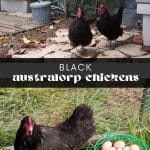
If you're looking for a reliable egg-layer with a friendly personality and striking good looks, Black Australorp chickens might just be your perfect match. These gorgeous Australian birds have been winning over backyard chicken keepers for decades with their consistent brown eggs and easygoing nature.
WANT TO SAVE THIS RECIPE?
Enter your email below and we'll send it straight to your inbox. Plus you’ll get great new recipes from us every week!
Jump to:
- What Are Black Australorp Chickens?
- Why Choose Black Australorp chickens for Your Backyard Flock
- Black Australorp chickens Varieties
- Features of Black Australorp Chickens
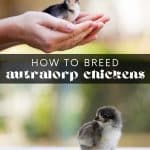
- Australorp Chicks
- How to Breed Black Australorp chickens
- Expert Tips for Black Australorp Chickens Care
- Black Australorp Chickens FAQs
- Are Black Australorp chickens Right for You?
- More Favorites From Longbourn Farm
What Are Black Australorp Chickens?
Black Australorp chickens originated in Australia in the early 1900s when breeders developed them from Black Orpington stock specifically for egg production - and they absolutely nailed it. One Black Australorp hen famously laid 364 eggs in 365 days back in 1922, setting a world record that still turns heads today. This heritage breed was refined through careful poultry breeding to create a strain of pure black Australorp that excelled in both egg production and temperament.
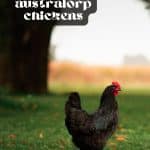
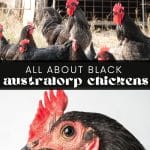
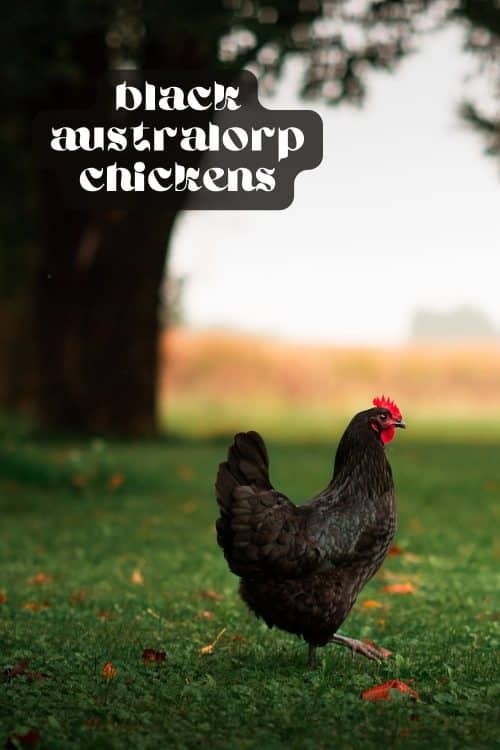
These medium to large birds are stunning in person, with glossy black feathers that shimmer with green and purple iridescence in the sunlight. Hens typically weigh between 6.5 to 8.5 pounds, and what really sets them apart is their wonderfully calm demeanor - they're friendly, easy to handle, and genuinely enjoyable to be around, making them perfect for families and beginners alike. They feature a single comb and meet the American Standard of Perfection for poultry breeds.
Why Choose Black Australorp chickens for Your Backyard Flock
If you're looking for a chicken that truly delivers, Black Australorps check almost every box. These birds are prolific layers, producing around 250-300 large brown eggs per year - that's roughly 5-6 eggs per week even through winter when many other breeds slow down or stop completely. Both females and males display excellent temperaments, their calm, friendly nature makes them perfect for families with kids or anyone who wants chickens they can actually interact with rather than just watch from afar.
Beyond egg production, Black Australorps are remarkably hardy and low-maintenance chickens. They're naturally cold-hardy birds that thrive in colder months, and they're active at foraging who'll happily hunt for bugs and greens in your yard, reducing feed costs while keeping your garden pest-free.
While they're bred primarily for eggs, they're technically a dual-purpose breed if meat production is part of your homesteading goals. Basically, you're getting an all-around superstar that works hard, stays healthy, and doesn't demand much fuss. With proper care, they're a great addition to any backyard flock.
Black Australorp chickens Varieties
- Black Australorp: This is the most common and widely recognized variety. Black Australorps are known for their shiny black feathers and excellent egg-laying abilities.
- Blue Australorp: Blue Australorps have blue-gray plumage, which is less common than the black variety but still sought after for their egg-laying prowess and attractive appearance.
- White Australorp: White Australorps have white feathers and are a less common variation of the breed. They are known for their egg production but are less popular than the black variety.
Features of Black Australorp Chickens
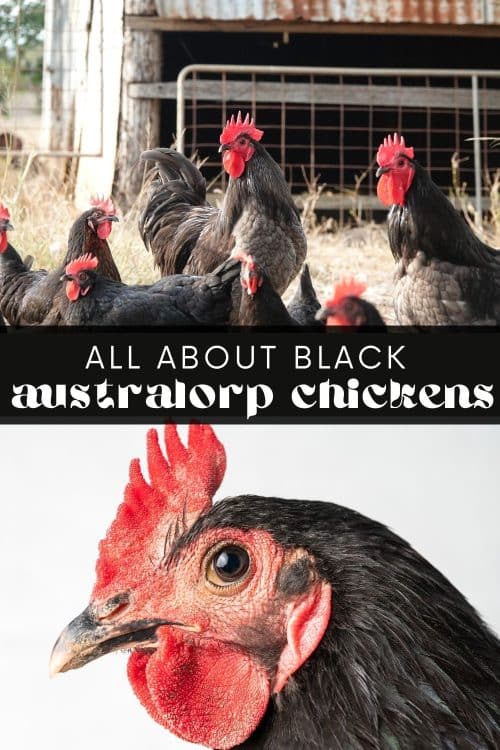
- Black Feathers: As the name suggests, Black Australorps have shiny black feathers that cover their entire body, including their feathers, beak, legs, and comb. This dark plumage gives them a striking appearance.
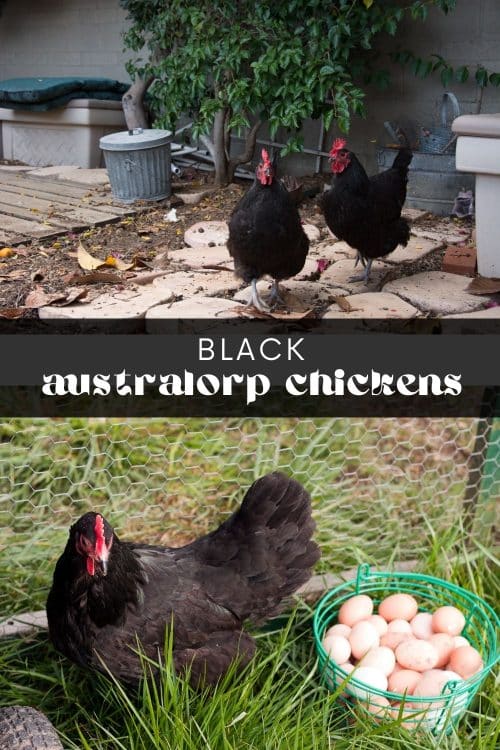
- Bountiful Egg Layers: Black Australorps are renowned for their exceptional egg-laying capabilities. They are known to lay a large number of medium-sized brown eggs throughout the year, making them a popular choice among backyard poultry keepers and small-scale farmers.
- Docile and Friendly: These chickens are generally known for their friendly and calm temperament, making them easy to handle and suitable for families and beginners in chicken keeping.
- Dual-Purpose Breed: While Black Australorps are primarily bred for egg production, they can also be raised for meat. However, their meat quality is not as highly regarded as some meat-specific breeds.
- Medium to Large Size: Black Australorps are a medium to large-sized breed with hens typically weighing between 6.5 to 8.5 pounds (2.9 to 3.9 kilograms) and roosters being slightly heavier.
- Good Foragers: They are active foragers and can help control pests in your backyard while finding some of their own food.
- Cold-Hardy: Black Australorps are known to be cold-hardy and can tolerate colder climates well.
A Note on Colors: While the Black Australorp is one of the most popular varieties, Australorps also come in other color variations, such as Blue and White. Each color variation has its unique characteristics, but they all share the excellent egg-laying trait for which the breed is known.

Australorp Chicks
Black Australorp chicks, like many other chicken breeds, have specific characteristics and behaviors that are common during their early stages of life. Here are some characteristics of Black Australorp chicks:
- Fluffy Appearance: When they hatch, Black Australorp chicks are covered in soft and fluffy yellow down feathers. This fluffy appearance helps them stay warm and comfortable during their first few weeks of life.
- Yellow Beak and Legs: Black Australorp chicks typically have yellow beaks and legs, which may darken as they grow older.
- Rapid Growth: These chicks tend to grow quickly, and you'll notice them getting larger and more feathered as they age. Their adult plumage, characterized by shiny black feathers, gradually replaces their yellow down.
- Vocalization: Like all chicks, Black Australorp chicks will peep and chirp to communicate with each other and their caregivers. Their vocalizations can indicate their well-being or any discomfort they might be experiencing.
- Social Behavior: Chicks are social animals, and Black Australorp chicks are no exception. They will huddle together for warmth and safety and often follow a natural pecking order within their group.
- Dependence on Heat: Chicks require a heat source to maintain their body temperature during the first few weeks of life. A brooder lamp or heat pad is typically used to provide the necessary warmth. The temperature should gradually be reduced as the chicks feather out and become more capable of regulating their body temperature. You can get all the information you need about raising chicks in this post.
- Curious and Active: Chicks are naturally curious and will explore their environment. Providing them with clean bedding, fresh water, and appropriate chick feed is essential to their growth and development.
- Nutritional Needs: Black Australorp chicks, like all chicks, require a balanced diet with the right amount of protein, vitamins, and minerals to support their growth. I have all the details on what to feed baby chicks in this post.
- Growing Feathers: As Black Australorp chicks mature, their yellow down will gradually be replaced by adult feathers. You'll start to see the development of their characteristic black plumage, and this process continues as they grow.
How to Breed Black Australorp chickens
Breeding Australorp chickens, like breeding any other chicken breed, involves careful selection of breeding pairs, proper management of the breeding flock, and attention to various factors to achieve the desired traits and characteristics in the offspring.
- Select Breeding Stock:
- Choose healthy, disease-free, and genetically sound birds as your breeding stock. Look for Australorps that conform to the breed standard in terms of size, feather color, comb type, and other physical characteristics.
- Consider the purpose of your breeding program (egg production, meat, or both) and select breeding pairs accordingly.
- Maintain a Breeding Flock:
- Keep your breeding flock in a clean and disease-free environment.
- Ensure that the birds have access to balanced nutrition, fresh water, and appropriate shelter.
- Keep detailed records of each bird's pedigree and performance.
- Age and Maturity:
- Breeding birds should be of appropriate age and maturity. Australorps typically reach sexual maturity around 5-6 months of age, but it's best to wait until they are around 7-8 months old before starting breeding.
- Monitor Health:
- Regularly check the health of your breeding birds. Any sick or weak birds should be removed from the breeding program to prevent the spread of diseases and to maintain strong genetic lines.
- Pairing:
- Select breeding pairs that complement each other in terms of physical traits and genetic diversity. Avoid inbreeding (breeding closely related birds), as it can lead to genetic problems.
- Rotate breeding pairs to prevent excessive inbreeding.
- Mating:
- Allow the selected pairs to mate naturally. Chickens are nonmonogamous, so one rooster is typically enough for several hens. Ensure that the mating process is not overly aggressive and that hens are not being harmed.
- Nesting Boxes:
- Provide nesting boxes in a quiet, darkened area for the hens to lay their eggs. This helps prevent egg eating and encourages them to brood.
- Incubation and Hatching:
- You can choose to let hens brood and hatch eggs naturally or use an incubator for hatching. Ensure proper temperature and humidity levels during incubation.
- Keep records of the parentage of each hatched chick.
- Selecting Offspring:
- Evaluate the offspring for desirable traits such as egg-laying abilities, meat quality, temperament, and conformity to breed standards.
- Select the best individuals for future breeding, and cull or rehome those that do not meet your criteria.
- Record Keeping:
- Maintain accurate records of each generation's performance, including egg production, growth rates, and any health issues. This information will help you make informed breeding decisions.
- Repeat the Process:
- Continue the breeding process over successive generations, using the best individuals to improve the overall quality of your Australorp flock.
Breeding Guidance: Breeding chickens, including Australorps, can be a rewarding but complex endeavor. It requires patience, knowledge, and dedication to maintain and improve the breed's qualities over time. Consulting with experienced breeders or joining poultry breeding associations can provide valuable guidance and support in your breeding efforts.
Expert Tips for Black Australorp Chickens Care
- Coop Requirements: Give each bird about 4 square feet inside the coop and 8-10 square feet in the run. Provide sturdy roosts 2-3 feet off the ground and one nesting box per 3-4 hens. Good ventilation is essential since their black feathers can cause overheating in summer.
- Feed Recommendations: Use quality layer feed with 16-18% protein once they start laying around 5-6 months old. Chicks need starter feed with 20-22% protein. Since Black Australorps are excellent foragers, they'll supplement their diet naturally if given yard access. Always provide oyster shell on the side for calcium to support strong eggshells.
- Health Monitoring: Check birds regularly for mites, lice, and respiratory issues during treat time. Watch for changes in egg production, lethargy, or unusual behavior as early warning signs. Keep the coop clean and dry to prevent most problems, and quarantine any bird that seems unwell.
- Predator Protection: Secure your coop with hardware cloth (not chicken wire) buried at least 12 inches deep to prevent digging predators. Provide covered run areas or supervise free-ranging time. Lock them up securely at night when most predators strike, and consider motion-activated lights if predators are common in your area.
Black Australorp Chickens FAQs
Most Black Australorp hens start laying between 5-6 months old, though some may begin as early as 4 months or take until 7 months depending on their diet, health, and the season they were hatched. Spring and summer chicks tend to start laying sooner than fall chicks since daylight hours affect when they reach maturity.
Black Australorps are relatively quiet compared to many other breeds. Hens make the typical soft clucking sounds and occasional "egg song" after laying, but they're not known for being loud or disruptive. Roosters will crow like any rooster, but the hens are calm enough that they work well even in suburban settings with close neighbors.
Yes! Black Australorps are known for their docile, friendly temperament, which makes them excellent flock mates. They integrate well with other calm breeds and rarely cause problems in mixed flocks. Their easygoing nature means they're not aggressive or overly dominant, though as with any flock, proper introductions and adequate space help everyone get along smoothly.
Are Black Australorp chickens Right for You?
If you're looking for a reliable, low-maintenance chicken that delivers consistently, Black Australorp chickens are honestly hard to beat. They're perfect for beginners, families with kids, and anyone in colder climates who wants chickens that thrive year-round.
Their exceptional egg production, friendly temperament, and hardy nature make them all-around workhorses that'll keep your egg basket full and your daily chores genuinely enjoyable. Whether you're starting your first backyard flock or adding to an existing one, you really can't go wrong with these Australian beauties.


Leave a Reply